
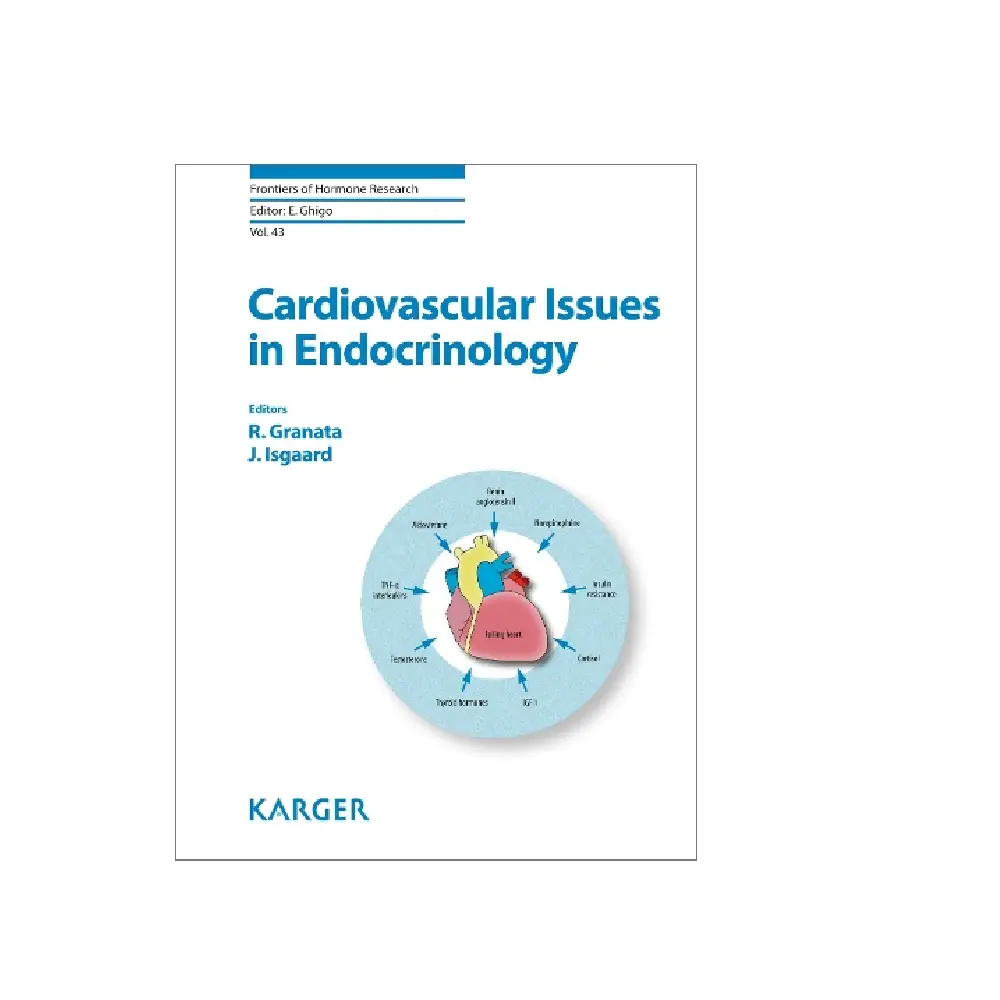
Cardiovascular Issues in Endocrinology
The endocrine and cardiovascular systems are closely interconnected, and disturbances in hormonal balance have profound effects on cardiovascular structure and function. Many endocrine disorders significantly increase the risk of cardiovascular disease (CVD), which remains a leading cause of morbidity and mortality worldwide. Understanding cardiovascular issues in endocrinology is therefore essential for early diagnosis, risk stratification, and comprehensive patient management.
Hormones regulate key cardiovascular processes, including blood pressure control, lipid metabolism, glucose homeostasis, vascular tone, myocardial contractility, and fluid–electrolyte balance. Dysregulation of these hormonal pathways can promote atherosclerosis, hypertension, arrhythmias, cardiomyopathy, and heart failure.
Diabetes Mellitus and Cardiovascular Disease
Diabetes mellitus is one of the most important endocrine disorders associated with cardiovascular complications. Chronic hyperglycemia leads to endothelial dysfunction, oxidative stress, inflammation, and accelerated atherosclerosis. Patients with diabetes have a markedly increased risk of coronary artery disease, stroke, peripheral arterial disease, and heart failure.
Diabetic cardiomyopathy, characterized by myocardial fibrosis, left ventricular hypertrophy, and impaired diastolic function, can occur even in the absence of overt coronary artery disease or hypertension. Additionally, autonomic neuropathy may lead to silent myocardial ischemia and increased risk of sudden cardiac death. Effective glycemic control, along with aggressive management of blood pressure and dyslipidemia, is crucial in reducing cardiovascular risk.
Thyroid Disorders and the Heart
Thyroid hormones exert powerful effects on the cardiovascular system by regulating heart rate, myocardial contractility, vascular resistance, and lipid metabolism. Hyperthyroidism is associated with tachycardia, atrial fibrillation, increased cardiac output, and reduced systemic vascular resistance. Persistent thyrotoxicosis can lead to heart failure and thromboembolic complications, particularly in elderly patients.
In contrast, hypothyroidism is linked to bradycardia, reduced cardiac output, increased diastolic blood pressure, and dyslipidemia. Elevated low-density lipoprotein (LDL) cholesterol and triglycerides contribute to premature atherosclerosis. Subclinical thyroid dysfunction, even in the absence of overt symptoms, has also been associated with increased cardiovascular risk, highlighting the importance of early detection and treatment.
Adrenal Disorders and Cardiovascular Impact
Adrenal hormones play a central role in cardiovascular regulation. Cortisol excess, as seen in Cushing syndrome, leads to hypertension, insulin resistance, dyslipidemia, central obesity, and a prothrombotic state, all of which markedly increase cardiovascular risk. Structural cardiac changes such as left ventricular hypertrophy and myocardial fibrosis are common.
Primary hyperaldosteronism is another important cause of secondary hypertension. Excess aldosterone promotes sodium retention, potassium loss, endothelial dysfunction, and myocardial fibrosis, resulting in an increased risk of stroke, myocardial infarction, and atrial fibrillation compared with essential hypertension.
Conversely, adrenal insufficiency may lead to hypotension, reduced vascular tone, and increased susceptibility to cardiovascular collapse during stress, particularly in adrenal crisis.
Growth Hormone Disorders
Growth hormone (GH) and insulin-like growth factor-1 (IGF-1) influence cardiac growth, vascular function, and lipid metabolism. Acromegaly, caused by GH excess, is associated with cardiomegaly, concentric left ventricular hypertrophy, diastolic dysfunction, arrhythmias, and heart failure. Cardiovascular disease is a major determinant of mortality in these patients.
In contrast, growth hormone deficiency in adults is associated with increased fat mass, adverse lipid profiles, insulin resistance, and reduced cardiac performance, contributing to elevated cardiovascular risk.
Sex Hormones and Cardiovascular Health
Sex hormones significantly affect cardiovascular physiology. Estrogen has vasodilatory, anti-inflammatory, and lipid-lowering effects, which partly explain the lower cardiovascular risk in premenopausal women. After menopause, declining estrogen levels contribute to increased rates of hypertension, dyslipidemia, and atherosclerosis.
In men, testosterone deficiency is associated with metabolic syndrome, insulin resistance, increased fat mass, and higher cardiovascular risk. However, excess androgen levels may also have adverse cardiovascular effects, emphasizing the need for balanced hormone regulation.
Obesity, Metabolic Syndrome, and Cardiovascular Risk
Endocrine dysregulation plays a key role in obesity and metabolic syndrome, conditions strongly linked to cardiovascular disease. Adipose tissue functions as an endocrine organ, secreting adipokines that influence inflammation, insulin sensitivity, and vascular health. Hormonal abnormalities involving insulin, leptin, adiponectin, and cortisol contribute to hypertension, dyslipidemia, and atherosclerosis.
Conclusion
Cardiovascular issues in endocrinology represent a critical intersection between hormonal disorders and heart disease. Conditions such as diabetes, thyroid dysfunction, adrenal disorders, growth hormone abnormalities, and sex hormone imbalances significantly influence cardiovascular risk and outcomes. Early recognition of endocrine disorders, integrated cardiovascular risk assessment, and multidisciplinary management are essential to reduce morbidity and mortality. A deeper understanding of endocrine–cardiovascular interactions continues to guide more effective preventive and therapeutic strategies in modern clinical practice.




Reviews
There are no reviews yet