

Cardiology in the ER: A Comprehensive Overview
Cardiovascular emergencies are among the most frequent and life-threatening presentations in the emergency room (ER). Rapid recognition, accurate diagnosis, and timely management of cardiac conditions can significantly influence patient outcomes — often making the difference between recovery and morbidity or mortality. Cardiology in the ER refers to the multidisciplinary knowledge and skills required by emergency physicians, cardiologists, nurse practitioners, and allied healthcare providers to manage acute cardiac disorders efficiently and effectively.
Why Cardiology Matters in the ER
The heart is central to systemic perfusion. Acute disruptions in cardiac function lead to immediate threats to life due to compromised tissue oxygenation, electrical instability, and hemodynamic collapse. Conditions such as acute coronary syndromes (ACS), arrhythmias, heart failure exacerbations, cardiac tamponade, and hypertensive emergencies demand swift action.
Statistics indicate that cardiovascular complaints — including chest pain, shortness of breath, palpitations, syncope, and cardiac arrest — make up a significant proportion of ER visits worldwide. This high prevalence requires that ER clinicians not only recognize cardiac pathology but also initiate evidence-based interventions under time pressure.
Acute Chest Pain and Acute Coronary Syndromes (ACS)
Presentation & Differential Diagnosis
Chest pain evaluation in the ER is one of the most complex tasks. While ischemic heart disease must always be at the top of the differential, other potential diagnoses include pulmonary embolism, aortic dissection, pericarditis, esophageal rupture, and musculoskeletal causes.
Key features suggestive of ACS include:
-
Pressure-like substernal pain
-
Radiation to jaw, shoulder, or arm
-
Diaphoresis
-
Nausea and vomiting
-
Shortness of breath
However, atypical presentations are common — especially in women, elderly patients, and diabetics — making clinical judgement and ECG interpretation crucial.
ECG and Biomarkers
The 12-lead ECG is the cornerstone of initial cardiac evaluation. ST-segment elevation indicates ST-elevation myocardial infarction (STEMI), requiring immediate reperfusion therapy. Other ECG changes — such as T-wave inversions or ST depressions — may represent non-ST-elevation acute coronary syndrome (NSTEMI) or unstable angina.
Cardiac biomarkers, particularly troponins, help confirm myocardial injury. Trending troponin levels can distinguish acute from chronic elevation.
Management in the ER
For suspected ACS:
-
Aspirin immediately unless contraindicated
-
Nitroglycerin for pain and preload reduction (with blood pressure monitoring)
-
Oxygen if hypoxic
-
Anticoagulation with heparin or similar agents
-
Beta-blockers unless contraindicated
STEMI patients require urgent reperfusion — either percutaneous coronary intervention (PCI) or thrombolytic therapy when PCI isn’t immediately available.
Arrhythmias and Electrical Emergencies
Common Presentations
Arrhythmias seen in the ER include:
-
Atrial fibrillation and flutter
-
Supraventricular tachycardia (SVT)
-
Ventricular tachycardia (VT)
-
Ventricular fibrillation (VF)
-
Heart blocks
Palpitations, dizziness, syncope, or sudden cardiac arrest are typical presenting symptoms.
Diagnosis
ECG is crucial — often with continuous cardiac monitoring. Clinicians must rapidly identify rhythm abnormalities and differentiate between life-threatening versus less critical arrhythmias.
Management
-
SVT may respond to vagal maneuvers, adenosine, or rate-controlling agents.
-
Atrial fibrillation with rapid ventricular response may require rate control or synchronized cardioversion.
-
VT and VF require immediate defibrillation and advanced cardiac life support (ACLS) protocols.
Heart Failure and Pulmonary Edema
Acute decompensated heart failure often presents with shortness of breath, cough, and hypoxia. Pulmonary edema — fluid accumulation in the lungs due to cardiac pump failure — is a medical emergency.
Assessment
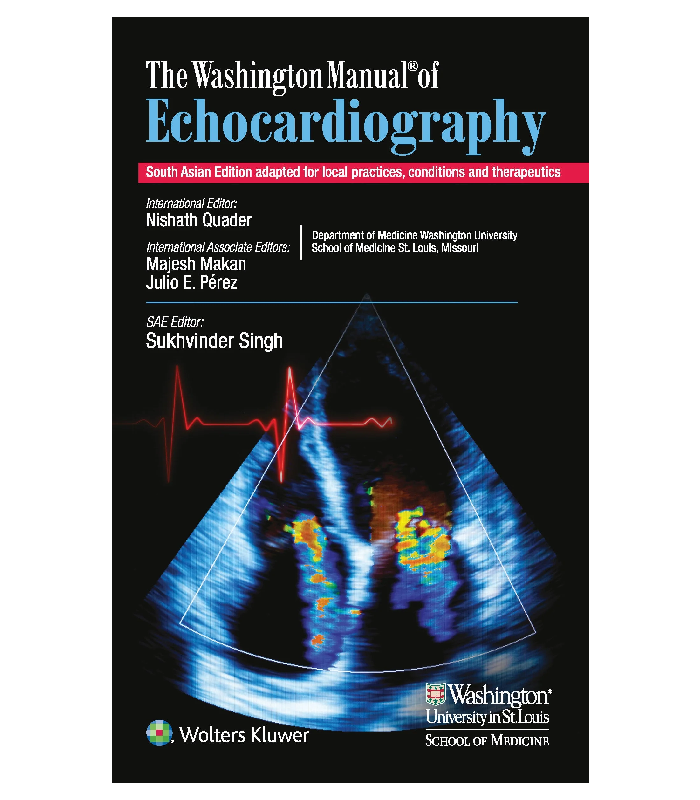
In addition to ECG, chest X-ray and bedside ultrasound (echocardiography) help identify ventricular function and fluid status.
Treatment
-
Diuretics (such as furosemide) to reduce fluid overload
-
Vasodilators to decrease preload and afterload
-
Non-invasive ventilation (e.g., CPAP) for respiratory distress
-
Inotropic support in cases of cardiogenic shock
Other Critical Cardiac Emergencies
Cardiac Tamponade
Characterized by fluid accumulation in the pericardial sac, leading to decreased cardiac output. Classic triad includes hypotension, muffled heart sounds, and jugular venous distension (Beck’s triad). Management involves urgent pericardiocentesis.
Aortic Dissection
Severe chest or back pain with differing blood pressures between arms suggests this life-threatening condition. Rapid imaging (e.g., CT angiography) and emergency surgical consultation are essential.
Hypertensive Emergencies
Severely elevated blood pressure with organ damage (e.g., encephalopathy, acute heart failure) requires controlled blood pressure reduction with IV agents like nitroprusside or labetalol.
Decision Support and Protocols in the ER
Emergency care relies on structured protocols:
-
MONA (Morphine, Oxygen, Nitroglycerin, Aspirin) for chest pain
-
ACLS Algorithms for cardiac arrest management
-
STEMI Networks connecting ERs to PCI centers for timely reperfusion
These protocols ensure standardized, evidence-based approaches that improve survival.
Technology and Point-of-Care Tools
Point-of-care ultrasound (POCUS) is increasingly vital for rapid diagnosis of pericardial effusion, ventricular function, and volume status. High-sensitivity troponin assays allow earlier rule-in/rule-out of myocardial infarction.
Telemedicine and prehospital ECG transmission have also improved early diagnosis and referral pathways.
Conclusion
Cardiology in the ER represents the intersection of urgent care, cardiology expertise, and rapid diagnostic reasoning. It requires a deep understanding of pathophysiology, mastery of clinical tools like ECG and biomarkers, and adherence to time-sensitive treatment protocols. From the first ECG to definitive therapy, each decision in the emergency room impacts outcomes. The goal is not merely to diagnose but to save lives — rapidly, reliably, and compassionately.


Reviews
There are no reviews yet