
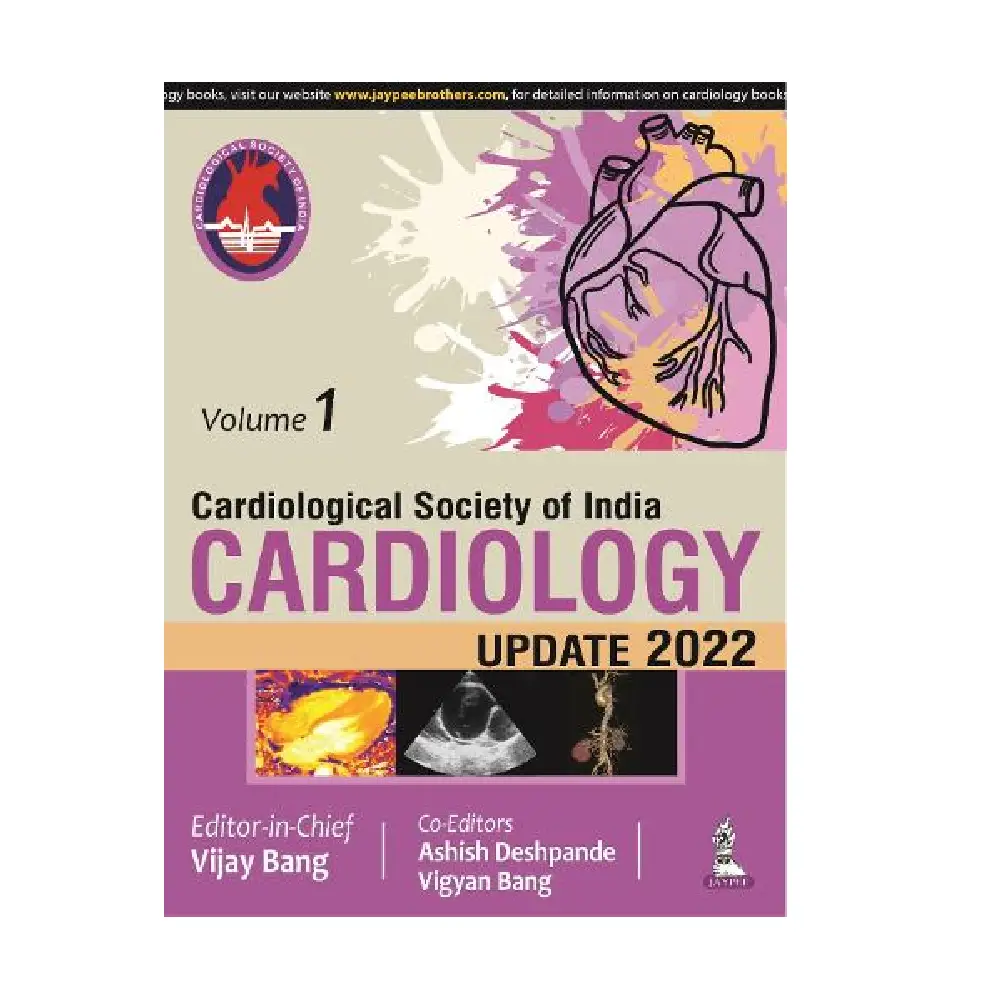

Introduction to the Cardiological Society of India
The Cardiological Society of India (CSI) is the premier professional body for cardiologists and cardiovascular health professionals in India. Established on 4 April 1948 in Calcutta (now Kolkata), CSI predates many major international cardiology organizations such as the American College of Cardiology and the International Society & Federation of Cardiology, making it one of the oldest dedicated cardiology societies in the world.
CSI’s core mandate is to advance cardiovascular health across India through education, research, clinical practice standards, and community outreach. It represents a collective effort of clinicians, researchers, and allied health professionals committed to reducing the burden of cardiovascular disease (CVD), which remains the leading cause of mortality and morbidity in India.
Historical Background
From its inception in 1948, the society has grown from a small group of pioneering cardiologists to a nationally recognized institution with thousands of members. The first official CSI conference was held in 1950, and subsequent years saw steady expansion of its membership, scientific activities, and organizational scope. A major milestone came in 1966 with the successful organization of the 5th World Congress of Cardiology in New Delhi under the leadership of eminent cardiologists such as Dr. S. Padmavati and Dr. K. K. Datey.
Over the decades, CSI has nurtured the growth of cardiology as a discipline in India, supporting branches and chapters across many states and regions. These chapters contribute to localized efforts in education, public health awareness, and clinical training.
Mission, Vision, and Core Objectives
The primary mission of CSI is to prevent and manage cardiovascular diseases through a combination of scientific advancement and community awareness. Its vision revolves around enhancing heart health by:
-
Promoting quality research in cardiology
-
Providing continuing medical education (CME) and professional development
-
Raising public awareness about heart disease risk factors and prevention
-
Establishing clinical guidelines that reflect Indian demographics and resource settings
-
Fostering collaboration with national and international cardiology organizations
CSI emphasizes the correlation between lifestyle, environmental factors, and cardiovascular risk, advocating for proactive measures to reduce incidence and improve long-term outcomes in cardiac patients.
Organizational Structure
CSI functions through a central governing body and a Scientific Council that oversees various subcommittees. These committees focus on sub-specialty areas such as:
-
Interventional cardiology
-
Heart failure
-
Electrophysiology and rhythm disorders
-
Preventive cardiology
-
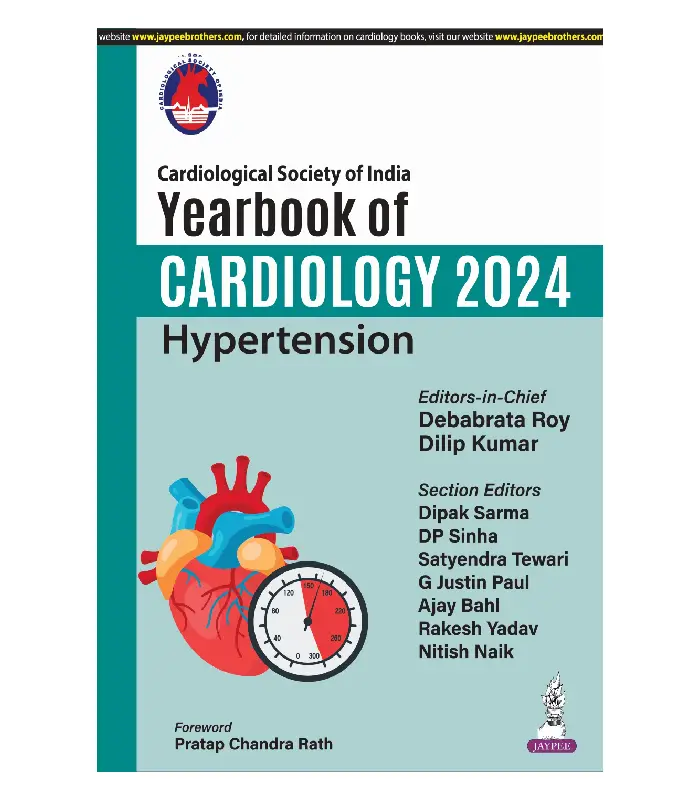
Hypertension and lipid management
-
Multimodality imaging
-
Congenital heart disease
-
Pollution and heart health
-
Rheumatic heart disease
-
STEMI care pathways
There are numerous state and regional chapters—such as those in Jharkhand, Kerala, and the North East—each working on specific educational and clinical initiatives relevant to local populations.
Education, Research, and Scientific Meetings
CSI organizes annual national conferences, mid-term meetings, and specialty workshops which serve as major platforms for dissemination of research findings, case discussions, and updates in clinical practice. These events bring together cardiologists, trainees, and allied professionals from across India and abroad.
The National Interventional Council (NIC) under CSI is particularly influential in steering the field of interventional cardiology. NIC’s meetings focus on procedural advances such as percutaneous coronary intervention (PCI), structural heart interventions, and imaging technologies. The CSI-NIC 2026 meeting is an example of such an evolving forum for interventional expertise and networking.
Guidelines and Position Statements
An important role of CSI is the creation of practice guidelines and position statements tailored to Indian clinical environments. These documents help standardize care, especially in areas such as:
-
Acute coronary syndrome (ACS) management
-
Cardiovascular care in patients with chronic kidney disease
-
Safety considerations for echocardiography
-
Antithrombotic therapy guidance
-
STEMI care pathways adapted for Indian populations
Such guidelines bridge global evidence with local realities, ensuring that recommendations are both scientifically sound and practically implementable.
Public Health and Awareness Initiatives
CSI is actively involved in community outreach programs to educate the public about cardiovascular risk factors, prevention strategies, and the importance of early screening. Activities include public lectures, screening camps, mobile health apps (like CSI Happy Heart), and partnerships with national health campaigns.
Youth and high-risk population registries, such as the Mysuru Premature Acute Coronary Syndrome (MPACS) Registry, highlight CSI’s efforts to understand emerging trends and tailor preventive strategies for younger patients.
Global Collaboration
CSI is an active member of international cardiology forums including the International Society & Federation of Cardiology, Asian Pacific Society of Cardiology, and collaborates with the European Society of Cardiology (ESC) and American College of Cardiology (ACC). These collaborations foster exchange of knowledge, joint research, and global best practices adapted to Indian contexts.
Conclusion
The Cardiological Society of India stands as a leading force in shaping cardiology practice and cardiovascular health in India. Its historic legacy, widespread membership, educational outreach, scientific contributions, and focus on guideline-based care make it a vital institution in the fight against heart disease. Through clinical education, research promotion, public health advocacy, and global cooperation, CSI continues to elevate standards of cardiac care and reduce the burden of cardiovascular morbidity and mortality in the Indian subcontinent.





Reviews
There are no reviews yet