
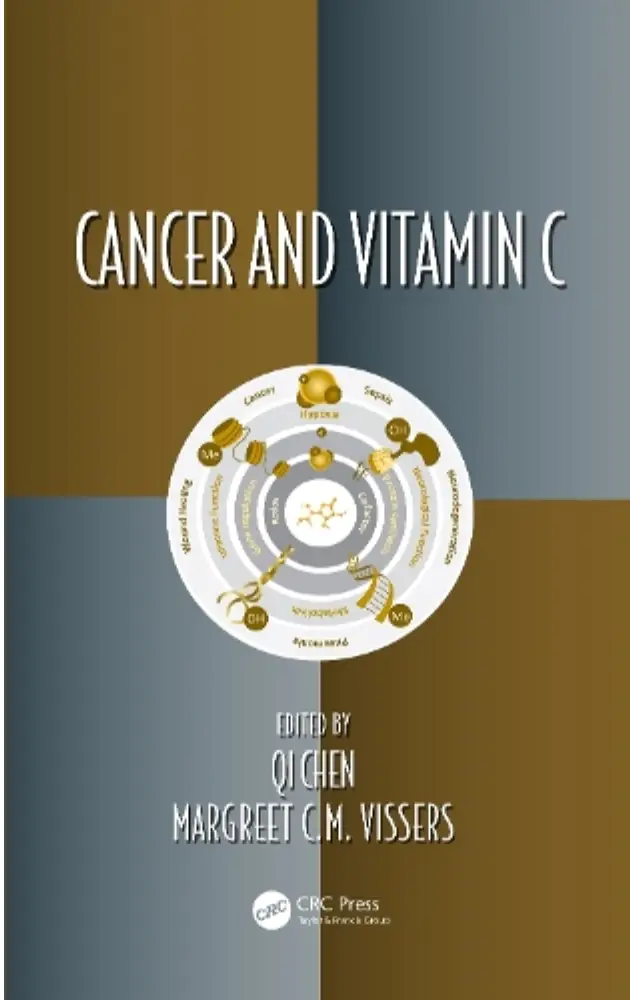
Cancer and Vitamin C explores the intriguing and often debated relationship between vitamin C and cancer prevention, treatment, and patient outcomes. This text delves into both the historical and contemporary perspectives on the use of vitamin C in oncology, providing a balanced view of clinical research, laboratory studies, and practical implications for healthcare professionals.
The book begins with a detailed examination of vitamin C (ascorbic acid) as a vital nutrient, highlighting its biochemical roles, including antioxidant properties, collagen synthesis, and immune system support. It emphasizes how these functions are particularly relevant in oncology, where oxidative stress, immune dysregulation, and tissue repair play critical roles in tumor progression and recovery from therapy. The introduction also traces the history of vitamin C in cancer treatment, including pioneering research by Linus Pauling in the 1970s, which sparked global interest in high-dose vitamin C therapy.
A central focus of the book is the discussion of vitamin C’s mechanisms of action against cancer cells. The text explains how pharmacologic doses of vitamin C, administered intravenously, can achieve plasma concentrations unattainable by oral intake. At these high concentrations, vitamin C can act as a pro-oxidant in cancer cells, generating hydrogen peroxide and inducing selective cytotoxicity. The book carefully reviews in vitro studies, animal models, and early-phase clinical trials that demonstrate these effects, providing scientific grounding for ongoing clinical interest.
The text also examines the interaction between vitamin C and conventional cancer therapies. It considers how vitamin C may enhance the efficacy of chemotherapy and radiotherapy by sensitizing tumor cells or protecting normal tissues from oxidative damage. Conversely, the book discusses controversies surrounding potential interference with certain chemotherapeutic agents, presenting an evidence-based analysis to guide clinicians in integrating vitamin C supplementation safely. Clinical case studies and trial data are included to illustrate real-world outcomes and ongoing research gaps.
Nutrition and patient management form another key section. The book explores optimal dosing strategies, routes of administration, and the pharmacokinetics of vitamin C in cancer patients, many of whom have increased metabolic demands and altered absorption. It emphasizes the importance of individualized patient assessment and monitoring to prevent adverse effects such as kidney stones or gastrointestinal discomfort, especially in patients with pre-existing renal conditions.
In addition to therapeutic considerations, the book addresses preventive and supportive roles of vitamin C in oncology. It highlights epidemiological studies linking dietary vitamin C intake to reduced risk of certain cancers, while acknowledging the complexity of confounding factors and the limitations of observational data. The text encourages clinicians to consider vitamin C as part of a holistic approach to patient care, including diet, lifestyle, and adjunctive therapies that support immune function and quality of life during treatment.
The book also examines public perception and the ethical considerations of vitamin C use in cancer therapy. It discusses how media coverage, patient advocacy, and historical controversies have shaped both expectations and skepticism. Guidance is provided on communicating evidence-based information to patients who inquire about vitamin C supplementation, ensuring informed decision-making without fostering false hope.
Written in a clear, accessible style, Cancer and Vitamin C combines scientific rigor with clinical practicality. Figures, tables, and summaries highlight key mechanisms, dosing regimens, and trial outcomes, making complex information more digestible. Each chapter concludes with critical appraisal and future research directions, encouraging readers to engage with emerging studies and ongoing debates in the field.
In summary, this book is an essential resource for oncologists, nutritionists, researchers, and healthcare professionals interested in the interplay between nutrition and cancer therapy. It provides a thorough, balanced perspective on vitamin C’s potential roles—from prevention to adjuvant therapy—offering guidance on safe, evidence-based application while highlighting areas for further investigation. The text encourages an integrative, patient-centered approach that respects both scientific evidence and clinical judgment.


Reviews
There are no reviews yet