
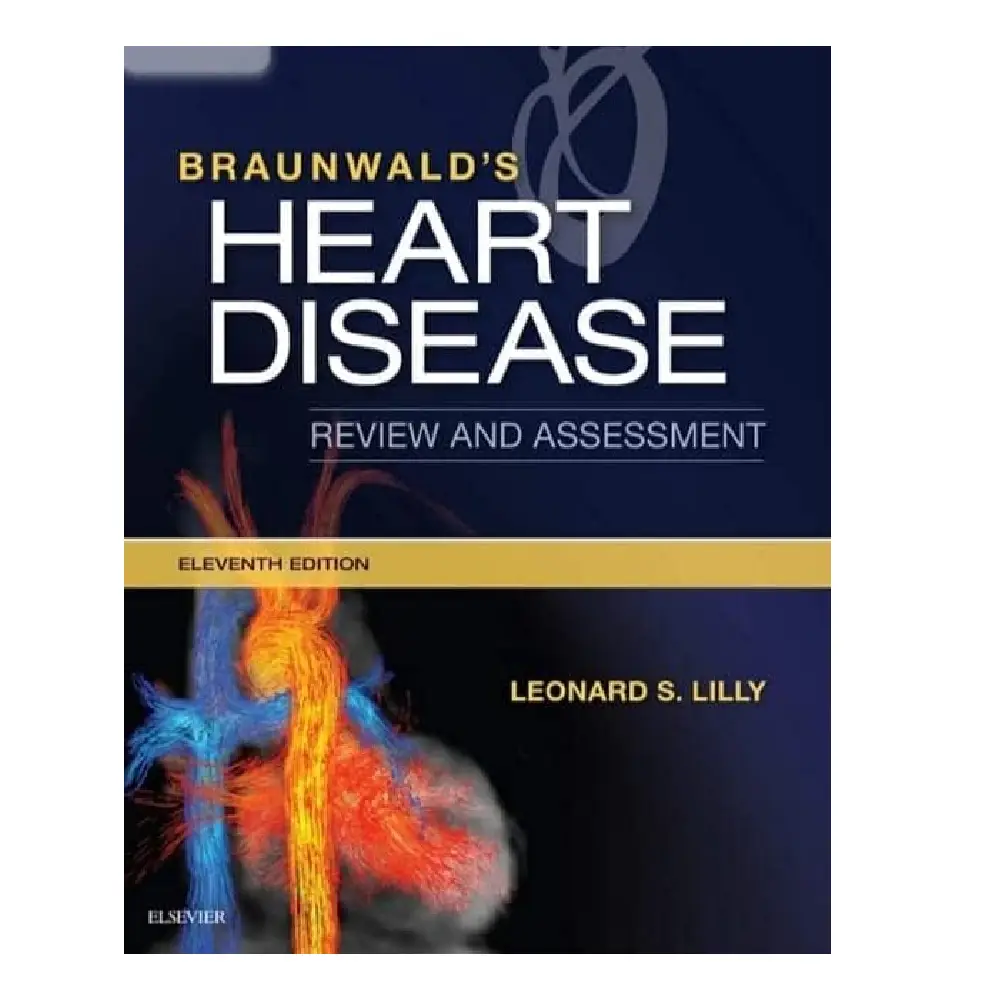

Braunwald’s Heart Disease
Braunwald’s Heart Disease is widely recognized as the definitive reference in cardiology, providing an exhaustive and authoritative guide to the pathophysiology, diagnosis, and management of cardiovascular diseases. Edited by Dr. Douglas L. Mann, Dr. Douglas P. Zipes, Dr. Peter Libby, and originally by Dr. Eugene Braunwald, the textbook serves as a cornerstone for cardiologists, cardiovascular surgeons, and internal medicine specialists worldwide. Its multi‑volume editions, currently in the 12th edition (2022), continue to integrate cutting‑edge research, clinical trial data, and guideline-based recommendations with practical clinical applications.
1. Purpose and Scope
The textbook’s main purpose is to provide a comprehensive and evidence-based resource for understanding all aspects of cardiovascular medicine. It bridges basic science and clinical practice, allowing clinicians to:
-
Understand cardiovascular pathophysiology
-
Apply evidence-based diagnostic strategies
-
Select optimal therapies for a wide range of cardiovascular conditions
-
Integrate emerging technologies and interventions into practice
Its scope spans from molecular cardiology and genetics to advanced interventional procedures, cardiac imaging, and critical care cardiology. The text also emphasizes preventive cardiology, reflecting the importance of lifestyle modification, risk factor management, and population-level interventions in reducing cardiovascular morbidity and mortality.
2. Structure and Key Content Areas
The textbook is organized into multiple sections covering both adult and pediatric cardiology. Key areas include:
a. Cardiovascular Pathophysiology
This section explains the mechanisms underlying heart disease, including:
-
Atherosclerosis and endothelial dysfunction
-
Myocardial ischemia and infarction
-
Heart failure mechanisms, including systolic and diastolic dysfunction
-
Hypertension, arrhythmogenesis, and valvular disorders
The text integrates cellular, molecular, and genetic insights to help clinicians understand disease progression and potential therapeutic targets.
b. Diagnostic Cardiology
Comprehensive coverage of diagnostic modalities is a hallmark of Braunwald’s, including:
-
Electrocardiography (ECG) and advanced arrhythmia analysis
-
Echocardiography, including 2D, 3D, Doppler, and strain imaging
-
Cardiac CT and MRI for structural and functional assessment
-
Nuclear cardiology for myocardial perfusion and viability
-
Biomarkers for heart failure, myocardial infarction, and inflammation
Each modality is linked to clinical decision-making, highlighting indications, limitations, and interpretation strategies.
c. Coronary Artery Disease
The text provides an exhaustive analysis of CAD, covering:
-
Stable angina and acute coronary syndromes
-
Risk stratification and management strategies
-
Pharmacologic therapy: antiplatelets, anticoagulants, lipid-lowering, and antianginal drugs
-
Interventional cardiology techniques, including PCI and stenting
-
Surgical revascularization (CABG)
-
Long-term secondary prevention strategies
Evidence from landmark trials is meticulously referenced, offering clinicians guidance rooted in data.
d. Heart Failure and Cardiomyopathies
Braunwald’s details chronic and acute heart failure, emphasizing:
-
Pathophysiology of systolic vs. diastolic dysfunction
-
Cardiomyopathies: dilated, hypertrophic, restrictive, and infiltrative
-
Device therapy: ICDs, CRT
-
Pharmacologic management, including emerging therapies
-
Advanced heart failure interventions: mechanical circulatory support and transplantation
e. Arrhythmias and Electrophysiology
The textbook addresses:
-
Supraventricular and ventricular arrhythmias
-
Conduction system disorders and AV blocks
-
Implantable devices, pacemakers, and defibrillators
-
Catheter ablation strategies
-
Risk assessment and prevention of sudden cardiac death
f. Valvular Heart Disease
Detailed coverage includes:
-
Etiology, pathophysiology, and progression of stenotic and regurgitant lesions
-
Diagnostic strategies using imaging
-
Timing and choice of intervention: surgical repair, replacement, and transcatheter options (TAVR, MitraClip)
-
Medical therapy for symptom management
g. Pediatric and Congenital Heart Disease
Braunwald’s extends coverage to neonates and children, including:
-
Congenital heart defects
-
Surgical and catheter-based interventions
-
Long-term management of pediatric patients transitioning to adult care
h. Preventive Cardiology
The text emphasizes primary and secondary prevention, covering:
-
Lifestyle modification: diet, exercise, smoking cessation
-
Risk assessment tools
-
Pharmacologic prevention strategies, including statins, antihypertensives, and antiplatelets
i. Emerging and Advanced Topics
-
Structural interventions and minimally invasive procedures
-
Genetics and precision medicine
-
Cardio-oncology, sports cardiology, and the impact of systemic diseases on cardiovascular health
3. Clinical Relevance
Braunwald’s Heart Disease is not just a reference—it is a practical guide for decision-making in the clinic and cath lab, integrating:
-
Evidence-based recommendations from ACC/AHA/ESC guidelines
-
Stepwise diagnostic and therapeutic algorithms
-
Illustrations, tables, and figures for quick reference
-
Case discussions to enhance applied learning
Its holistic approach equips clinicians to manage routine and complex cases effectively, keeping pace with rapid advances in cardiovascular medicine.
4. Conclusion
Braunwald’s Heart Disease remains the gold standard in cardiology, combining basic science, clinical expertise, and evidence-based guidance. It is indispensable for:
-
Practicing cardiologists seeking comprehensive reference
-
Trainees preparing for exams or board certification
-
Physicians managing complex cardiovascular patients
-
Researchers and educators in cardiovascular medicine
Through decades of updates, Braunwald’s continues to integrate new knowledge, emerging technologies, and evolving guidelines, making it the most authoritative text for understanding and treating cardiovascular disease worldwide.


Reviews
There are no reviews yet