
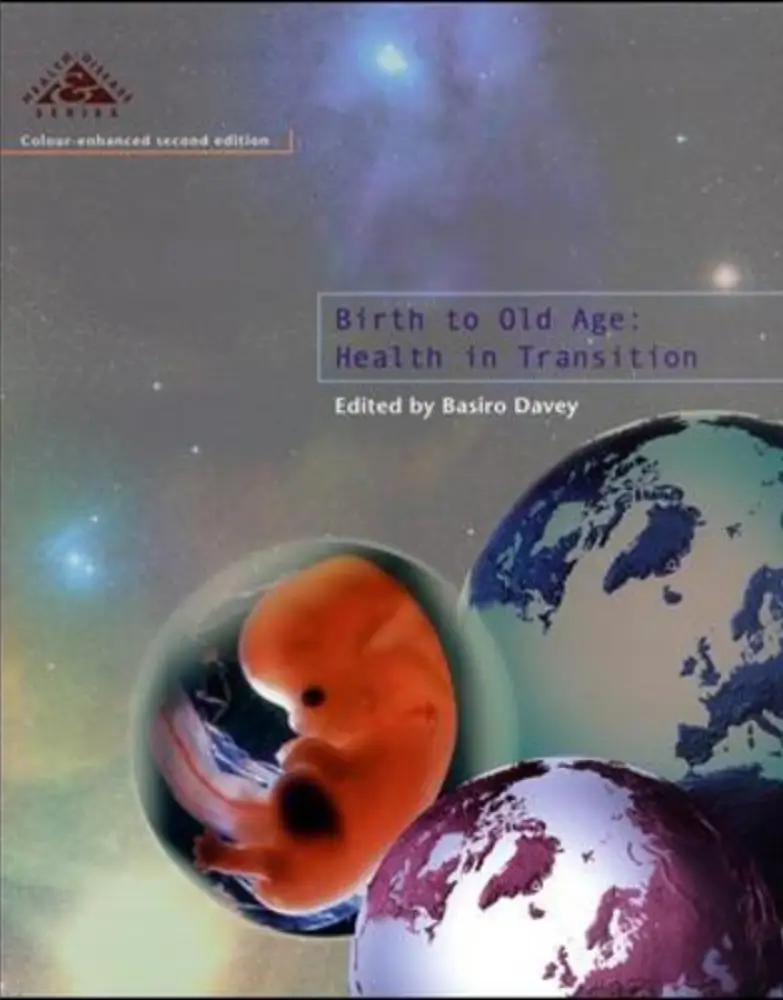

Birth to Old Age
Birth to Old Age is a comprehensive text that explores human development across the entire lifespan, from infancy through childhood, adolescence, adulthood, and into old age. It provides an integrated understanding of physical, cognitive, emotional, and social development, making it a valuable resource for students and professionals in psychology, education, nursing, and social sciences.
The book begins with an introduction to the principles of human development, emphasizing that development is a continuous and dynamic process influenced by both genetic and environmental factors. It highlights key theoretical perspectives, including psychoanalytic, cognitive, behavioral, and social learning theories, which help explain how individuals grow and change over time.
The early chapters focus on prenatal development and infancy. They describe how genetic inheritance, maternal health, and environmental conditions affect fetal growth. The transition from birth to infancy is examined in terms of physical growth, reflexes, and early sensory development. Cognitive development during this stage is explained using foundational concepts such as object permanence and early learning. Emotional bonding, particularly attachment between infants and caregivers, is emphasized as a critical factor for healthy psychological development.
Childhood development is explored in detail, covering both early and middle childhood stages. Physical growth, motor skills, and brain development are discussed alongside cognitive advancements such as language acquisition, memory, and problem-solving abilities. The book highlights the role of family, school, and peer relationships in shaping social and emotional development. It also addresses behavioral issues and learning difficulties that may arise during this period, offering insights into effective management and support strategies.
Adolescence is presented as a transitional phase marked by significant biological, psychological, and social changes. Puberty and hormonal changes lead to rapid physical growth, while cognitive development enables more abstract and critical thinking. The book examines identity formation, self-esteem, and the influence of peer groups during this stage. It also discusses common challenges such as risk-taking behavior, emotional instability, and mental health concerns, emphasizing the importance of guidance and support.
The section on adulthood is divided into early, middle, and late adulthood. Early adulthood focuses on establishing independence, building relationships, and pursuing career goals. Middle adulthood addresses issues such as career stability, family responsibilities, and coping with life transitions. The concept of generativity, or contributing to society and supporting the next generation, is highlighted as a key developmental task.
Late adulthood, or old age, is discussed in terms of physical decline, cognitive changes, and psychosocial adjustments. The book explores age-related conditions such as memory loss, reduced mobility, and chronic illnesses. However, it also emphasizes positive aspects of aging, including wisdom, life satisfaction, and continued personal growth. Social support, healthcare, and active engagement in meaningful activities are identified as important factors for healthy aging.
Throughout the book, the interaction between biological, psychological, and social factors is consistently emphasized. Development is portrayed as a holistic process, where changes in one domain influence others. The book also considers cultural and societal influences, recognizing that development varies across different contexts and environments.
Another important feature is the focus on practical applications. The text provides examples and case studies that illustrate real-life developmental issues, helping readers understand how theoretical concepts apply in everyday situations. This makes the book particularly useful for those working in healthcare, education, and social services.
In conclusion, Birth to Old Age offers a thorough and balanced overview of human development across the lifespan. By integrating theory, research, and practical insights, it provides a clear understanding of how individuals grow and adapt at different stages of life. It serves as an essential resource for anyone interested in understanding the complexities of human development and promoting well-being from birth to old age.




Reviews
There are no reviews yet