
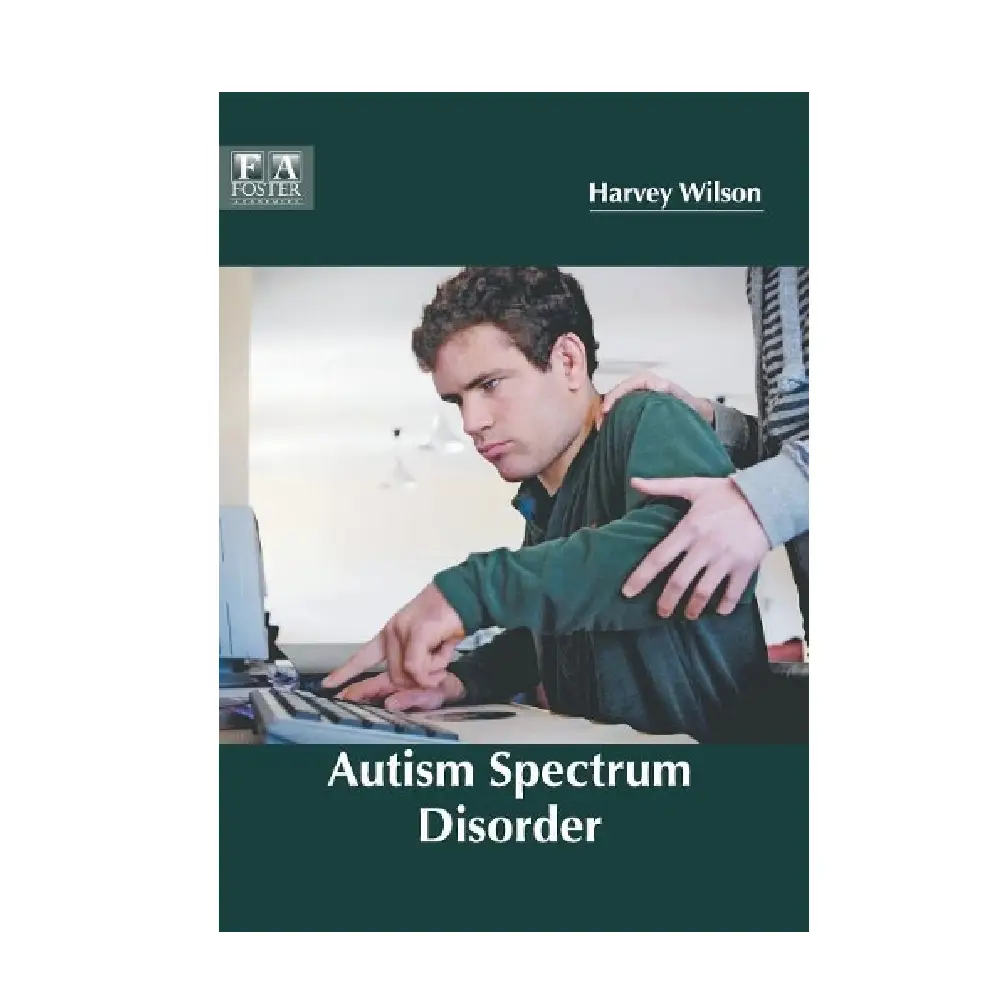


Autism Spectrum Disorder (ASD)
Autism Spectrum Disorder (ASD) is a neurodevelopmental condition characterized by persistent challenges in social communication and social interaction, along with restricted, repetitive patterns of behavior, interests, or activities. The term “spectrum” reflects the wide variation in symptoms, strengths, and levels of support required by individuals with the condition. ASD begins in early childhood and continues throughout life, although its presentation may change over time.
Core Features
According to the Diagnostic and Statistical Manual of Mental Disorders (DSM-5) published by the American Psychiatric Association, ASD is defined by two main domains:
-
Deficits in social communication and interaction
-
Difficulty with back-and-forth conversation
-
Reduced sharing of emotions or interests
-
Challenges in understanding nonverbal cues such as eye contact, facial expressions, and gestures
-
Difficulty developing and maintaining relationships
-
-
Restricted and repetitive behaviors
-
Repetitive motor movements (e.g., hand-flapping, rocking)
-
Insistence on sameness and strict adherence to routines
-
Highly restricted or intense interests
-
Hyper- or hypo-reactivity to sensory input (e.g., sensitivity to sounds, lights, textures)
-
Symptoms typically appear before the age of three, though milder forms may not be recognized until later childhood when social demands increase.
Causes and Risk Factors
The exact cause of ASD is not fully understood, but research indicates a strong genetic component. Multiple genes are believed to contribute, and ASD may also be associated with certain genetic conditions such as Fragile X syndrome. Environmental factors, including advanced parental age, prenatal exposure to certain medications, or complications during pregnancy, may increase risk. However, extensive scientific research has shown no credible link between vaccines and autism.
ASD affects individuals of all races, ethnicities, and socioeconomic backgrounds. It is more commonly diagnosed in boys than in girls, although growing evidence suggests that girls may be underdiagnosed due to differences in symptom presentation.
Diagnosis
There is no single medical test for autism. Diagnosis is based on developmental history, behavioral observation, and standardized assessment tools conducted by trained professionals such as pediatricians, psychologists, or developmental specialists. Early signs may include delayed speech, limited eye contact, lack of response to name, or absence of pretend play.
Early diagnosis is crucial because timely intervention can significantly improve outcomes. Screening is typically recommended during routine pediatric visits at 18 and 24 months.
Co-occurring Conditions
Many individuals with ASD have co-occurring conditions, including:
-
Intellectual disability
-
Attention-Deficit/Hyperactivity Disorder (ADHD)
-
Anxiety disorders
-
Epilepsy
-
Sleep disturbances
-
Gastrointestinal problems
The presence and severity of these conditions vary widely.
Intervention and Management
There is no cure for ASD, but early and individualized intervention can greatly enhance development and quality of life. Common approaches include:
-
Behavioral therapies: Applied Behavior Analysis (ABA) is widely used to improve communication, social, and learning skills.
-
Speech and language therapy: Helps develop communication skills.
-
Occupational therapy: Supports daily living skills and sensory integration.
-
Educational interventions: Structured teaching strategies and individualized education plans (IEPs).
-
Medications: May be prescribed to manage associated symptoms such as anxiety, hyperactivity, or irritability.
Family involvement plays a critical role in intervention. Parent training programs empower caregivers to support skill development at home.
Strengths and Neurodiversity
In recent years, there has been increasing recognition of the neurodiversity movement, which views autism not merely as a disorder but as a natural variation of human neurodevelopment. Many individuals with ASD possess unique strengths, such as exceptional attention to detail, strong memory skills, advanced abilities in mathematics or music, and deep focus on specific interests.
Promoting inclusion, understanding, and acceptance is essential. Supportive environments in schools, workplaces, and communities can help individuals with autism thrive.
Prognosis and Lifelong Outlook
Outcomes vary widely. Some individuals live independently and pursue higher education and careers, while others may require lifelong support. Early intervention, strong family support, and access to services significantly influence long-term development.









Reviews
There are no reviews yet