
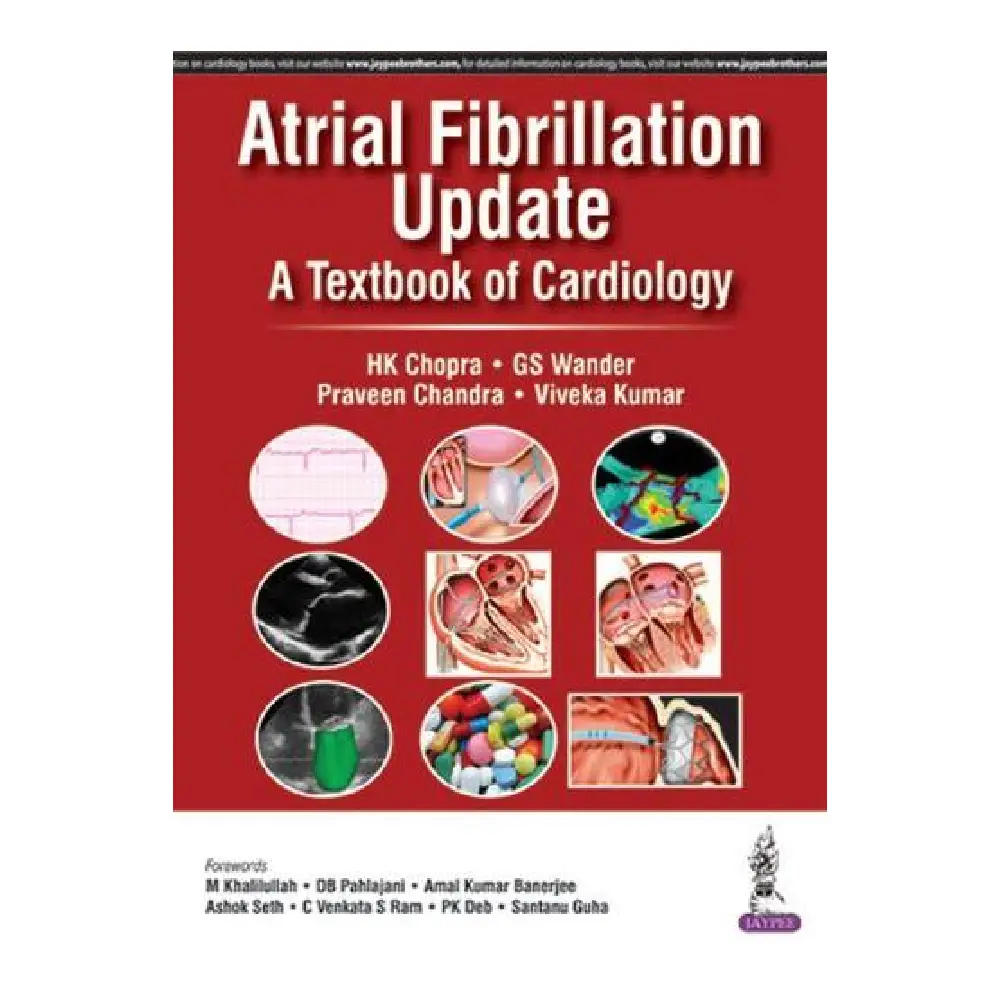

Atrial Fibrillation Update
Atrial fibrillation (AF) is the most common sustained cardiac arrhythmia encountered in clinical practice and a major contributor to morbidity, mortality, and healthcare utilization worldwide. Characterized by rapid and irregular electrical activation of the atria, AF causes loss of coordinated atrial contraction, impaired ventricular filling, and irregular ventricular response. Its prevalence increases with age and in the presence of cardiovascular risk factors and comorbidities. Over the past decade, substantial progress in understanding AF’s pathophysiology, risk stratification, diagnosis, and management has transformed clinical care, shifting toward more personalized and outcome-oriented strategies.
Epidemiology and Clinical Significance
AF affects millions of people globally, with prevalence rising due to aging populations and improved detection. It is estimated that approximately 1–2% of the general population has AF, increasing to over 10% in individuals older than 80 years. AF is associated with a fivefold increase in stroke risk, a threefold increase in heart failure, and a nearly twofold increase in all-cause mortality. Beyond hard outcomes, AF significantly impairs quality of life due to symptoms such as palpitations, fatigue, dyspnea, and exercise intolerance.
Pathophysiology
AF results from abnormal electrical triggers and a susceptible atrial substrate that allows rapid, disorganized electrical activity to sustain. Key mechanisms include:
-
Ectopic triggers: Often originating from the pulmonary veins, ectopic foci initiate AF episodes.
-
Reentry circuits: Structural and electrical remodeling of atrial tissue promotes multiple reentrant wavelets.
-
Atrial remodeling: Inflammation, fibrosis, atrial dilation, and changes in ion channel expression facilitate AF perpetuation.
Risk factors such as hypertension, heart failure, valvular heart disease, diabetes, obesity, sleep apnea, and aging contribute to the development of a proarrhythmic substrate.
Clinical Presentation and Diagnosis
AF can present in various forms:
-
Paroxysmal: Self-terminating episodes lasting <7 days.
-
Persistent: Lasts >7 days or requires termination with cardioversion.
-
Long-standing persistent: Continuous AF >12 months.
-
Permanent: Accepted as ongoing with no plan for rhythm control.
Symptoms range from asymptomatic to severe, including palpitations, dizziness, syncope, chest discomfort, and shortness of breath. Some patients present first with a stroke or heart failure.
Diagnosis is confirmed by electrocardiography (ECG) showing:
-
Irregular RR intervals
-
Absence of distinct P waves
-
Fibrillatory baseline
Ambulatory monitoring (Holter, event recorder, or implantable loop recorder) often identifies intermittent episodes.
Risk Assessment and Stroke Prevention
Stroke prevention is paramount in AF management. Risk stratification tools guide anticoagulation decisions:
-
CHA₂DS₂-VASc Score:
-
C = Congestive heart failure (1 point)
-
H = Hypertension (1)
-
A₂ = Age ≥75 years (2)
-
D = Diabetes mellitus (1)
-
S₂ = Prior stroke/TIA (2)
-
V = Vascular disease (1)
-
A = Age 65–74 (1)
-
Sc = Sex category (female 1)
-
Anticoagulation is recommended for men with CHA₂DS₂-VASc ≥2 and women ≥3 to reduce stroke risk. Direct oral anticoagulants (DOACs) such as apixaban, rivaroxaban, dabigatran, and edoxaban are preferred over warfarin in most patients due to fewer interactions, predictable effects, and reduced intracranial bleeding. Warfarin remains indicated in certain conditions like mechanical heart valves or moderate-to-severe mitral stenosis.
Bleeding risk is assessed using scores like HAS-BLED, and modifiable risk factors (e.g., hypertension, alcohol use) should be addressed.
Rate vs. Rhythm Control
Management of AF involves two complementary strategies:
Rate Control
Rate control focuses on controlling ventricular response without necessarily restoring sinus rhythm. It is often the initial strategy, especially in older patients with minimal symptoms. Common rate-control agents include:
-
Beta-blockers (e.g., metoprolol)
-
Non-dihydropyridine calcium channel blockers (e.g., diltiazem, verapamil)
-
Digoxin (especially useful in sedentary patients)
Rate control targets resting heart rates generally <80–110 bpm, depending on symptoms and ventricular function.
Rhythm Control
Rhythm control aims to restore and maintain sinus rhythm, often preferred for symptomatic patients, those with heart failure exacerbated by AF, or younger individuals. Options include:
-
Electrical cardioversion for immediate rhythm restoration.
-
Antiarrhythmic drugs (AADs) such as flecainide, propafenone, sotalol, or amiodarone, selected based on underlying heart disease.
-
Catheter ablation, typically via pulmonary vein isolation, is increasingly used, especially in paroxysmal AF or when AADs fail. Ablation has shown improved quality of life and, in some patients with heart failure, improved outcomes.
Adjunctive and Novel Therapies
Efforts to address modifiable risk factors are crucial:
-
Hypertension control
-
Weight management
-
Treatment of obstructive sleep apnea
-
Dyslipidemia management
-
Diabetes control
Lifestyle interventions reduce AF burden and improve outcomes. Emerging treatments include hybrid surgical-catheter approaches and novel ablation energy sources.
Complications and Special Considerations
AF increases the risk of stroke, systemic embolism, heart failure, and tachycardia-induced cardiomyopathy. Anticoagulation itself carries bleeding risk, necessitating regular monitoring and individualized therapy.
Special populations include:
-
Elderly patients, who often present with atypical symptoms and increased comorbidities.
-
Patients with heart failure, who may benefit from rhythm control procedures.
-
Individuals with valvular AF, particularly those with mechanical valves or significant mitral disease, who require warfarin rather than DOACs.
Future Directions
Ongoing research in AF focuses on:
-
Refining patient selection for early rhythm control
-
Optimizing catheter ablation techniques
-
Genetic and molecular characterization to personalize therapy
-
Integrated care models leveraging technology and multidisciplinary teams
Artificial intelligence and wearable sensors are improving AF detection and monitoring outside clinical settings.
Conclusion
Atrial fibrillation is a complex, multifaceted arrhythmia with significant clinical implications. Advances in diagnostics, risk stratification, stroke prevention, and interventional therapies have improved outcomes. Optimal management requires individualized, evidence-based approaches that balance symptom relief with stroke and complication prevention. Continued research and technological innovation promise further improvements in AF care, with a shift toward personalization and early intervention to prevent disease progression and enhance quality of life.






Reviews
There are no reviews yet