
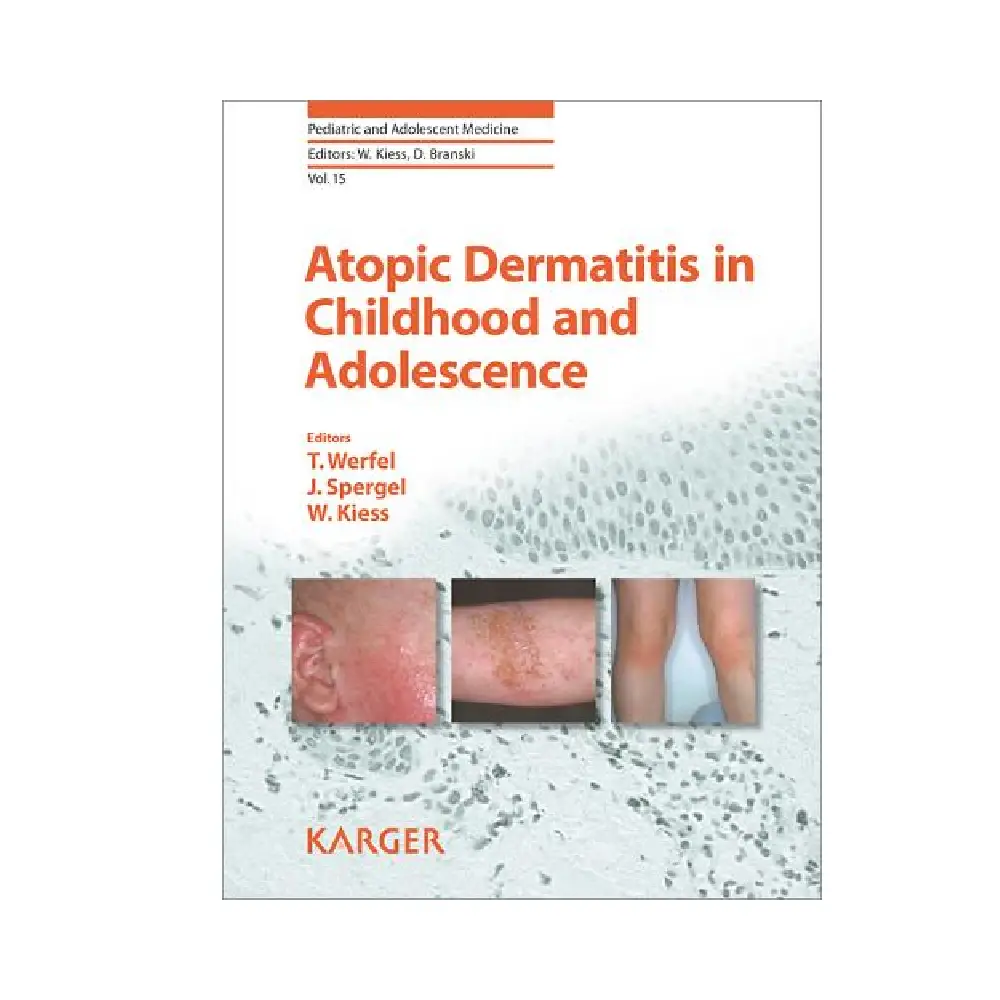


Atopic Dermatitis in Childhood and Adolescence is a specialized volume in the respected series Pediatric and Adolescent Medicine, dedicated to understanding the clinical, immunological, and psychosocial dimensions of atopic dermatitis (AD) in young patients. This comprehensive text addresses the increasing global prevalence of atopic eczema and provides evidence-based insights into diagnosis, pathophysiology, and management strategies tailored specifically for infants, children, and adolescents.
Atopic dermatitis is one of the most common chronic inflammatory skin diseases of childhood. The book begins by exploring epidemiology, noting significant geographic variation and rising incidence in both industrialized and developing countries. It highlights genetic predisposition, particularly mutations affecting the skin barrier protein filaggrin, and explains how environmental triggers such as allergens, pollution, microbial exposure, and climate influence disease expression. The “atopic march”—the progression from eczema to allergic rhinitis and asthma—is discussed in detail, emphasizing early identification and intervention.
A key strength of this volume is its thorough explanation of pathophysiology. It outlines the complex interplay between impaired skin barrier function, immune dysregulation (particularly Th2-mediated responses), microbial colonization—especially Staphylococcus aureus—and environmental factors. The contributors clarify how these mechanisms result in chronic inflammation, intense pruritus, and recurrent flares. By linking molecular pathways to clinical symptoms, the book bridges basic science and bedside care.
Clinical presentation across different age groups is carefully described. In infants, lesions typically involve the cheeks, scalp, and extensor surfaces; in older children, flexural involvement becomes more prominent; and in adolescents, lichenification and chronic plaques are more common. The text includes guidance on differential diagnosis, helping clinicians distinguish AD from seborrheic dermatitis, psoriasis, scabies, immunodeficiency-related dermatoses, and contact dermatitis. Diagnostic criteria, including established clinical scoring systems such as SCORAD (Scoring Atopic Dermatitis), are reviewed for standardized disease assessment.
Management forms the core of the book. Emphasis is placed on a stepwise therapeutic approach. Foundational care includes regular emollient use to restore barrier integrity and reduce transepidermal water loss. The appropriate selection and safe application of topical corticosteroids are explained in depth, including potency classes, duration of therapy, and side-effect prevention. Topical calcineurin inhibitors are presented as steroid-sparing options, particularly useful for sensitive areas such as the face and intertriginous regions.
For moderate to severe cases, the book discusses systemic therapies and emerging biologic agents. It reviews immunosuppressive medications such as cyclosporine and methotrexate, alongside newer targeted treatments that modulate specific immune pathways. Phototherapy is also considered as an option for adolescents with refractory disease. Importantly, the authors stress individualized care based on severity, age, comorbidities, and psychosocial context.
Another important theme is infection management. Children with atopic dermatitis are prone to bacterial, viral (including eczema herpeticum), and fungal infections. The text provides practical guidance for recognizing complications and initiating timely treatment. It also discusses antimicrobial stewardship to prevent unnecessary antibiotic use.
Psychosocial impact is addressed extensively. Chronic itching, sleep disturbance, visible skin lesions, and social stigma significantly affect quality of life. The book explores the emotional burden on both patients and families, including anxiety, depression, and caregiver stress. Educational strategies, behavioral interventions, and structured eczema action plans are recommended to empower families and improve adherence to treatment.
Prevention strategies are examined, including early emollient therapy in high-risk infants and dietary considerations. The controversial role of food allergies is analyzed with balanced evidence, clarifying when elimination diets are appropriate and when they may cause harm. The importance of multidisciplinary care—integrating dermatologists, pediatricians, allergists, nurses, and psychologists—is emphasized throughout.
Research developments and future perspectives conclude the volume. Advances in immunology, genetics, microbiome studies, and biologic therapy are shaping a new era of precision medicine in pediatric dermatology. The book highlights ongoing clinical trials and evolving treatment guidelines that promise improved long-term outcomes.
Overall, Atopic Dermatitis in Childhood and Adolescence serves as an authoritative and clinically practical reference for healthcare professionals managing pediatric eczema. By combining scientific rigor with real-world therapeutic guidance, this volume equips clinicians to address not only the physical manifestations of atopic dermatitis but also its emotional and social consequences. It is particularly valuable for pediatricians, dermatologists, allergists, and trainees seeking a comprehensive, up-to-date resource dedicated specifically to atopic dermatitis in the pediatric population.


Reviews
There are no reviews yet