
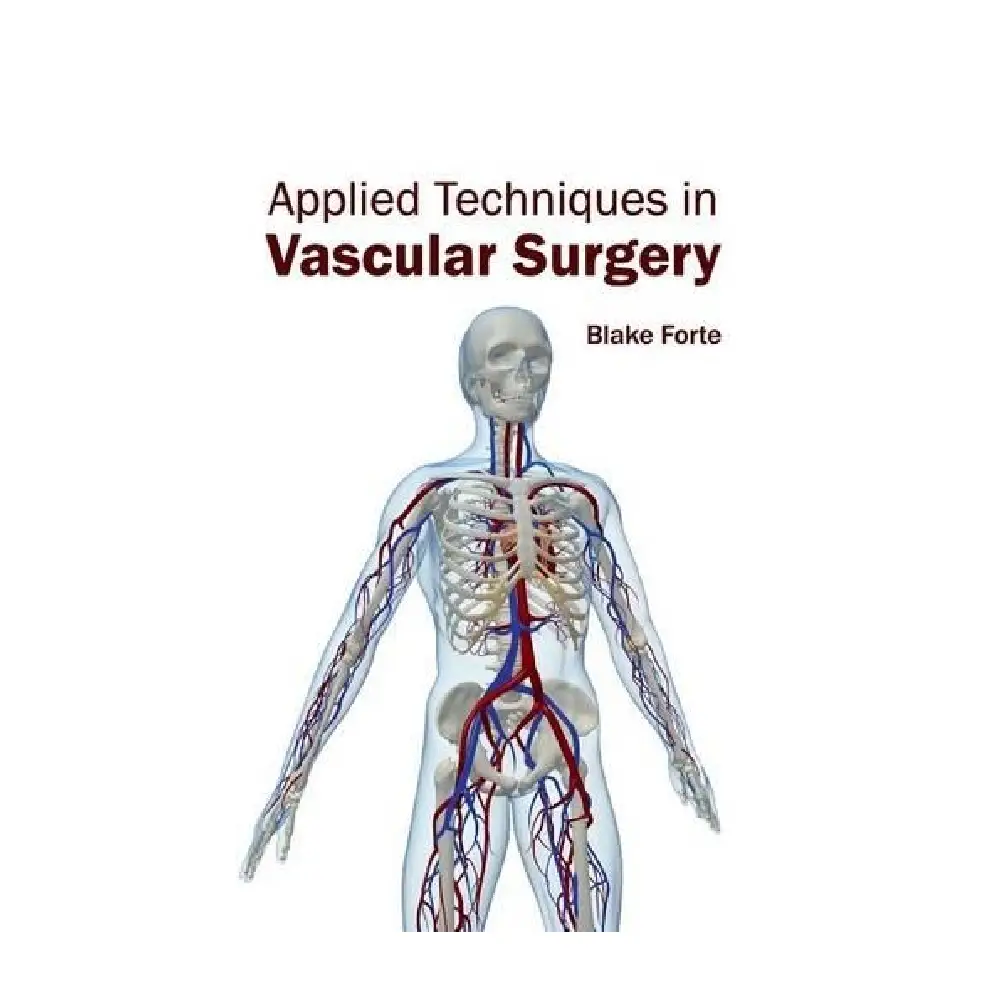


Applied Techniques in Vascular Surgery
Applied Techniques in Vascular Surgery refers to the body of practical skills, procedural knowledge, and decision-making strategies surgeons use when treating diseases of the vascular system — the network of arteries and veins that carry blood throughout the body. This field integrates traditional open surgical methods with modern minimally invasive endovascular techniques, and it has grown rapidly over the past several decades as technology, imaging, and clinical evidence have advanced.
Understanding Vascular Disease
Vascular disease encompasses conditions that affect the blood vessels, leading to stenosis (narrowing), occlusion (blockage), aneurysm (abnormal dilation), embolism (blockage by a clot or debris), and other malformations. Common disorders include:
-
Peripheral Artery Disease (PAD): Narrowing of arteries in the limbs, often leading to pain, ulcers, or gangrene.
-
Aortic Aneurysms: Weakening and balloon-like expansion of the aorta that can rupture if untreated.
-
Carotid Artery Disease: Narrowing of arteries supplying the brain, increasing stroke risk.
-
Venous Insufficiency and Varicose Veins: Poor venous return leading to swelling, pain, and skin changes.
Unlike emergency trauma surgery, many vascular disorders are progressive and chronic. The goal of therapy is not simply to “fix” an acute problem but to restore and preserve circulation, prevent limb loss, and reduce long-term morbidity and mortality.
Open vs. Endovascular Techniques
Historically, vascular surgery was dominated by open operations — procedures in which surgeons make large incisions to directly visualize and repair vessels. Today, endovascular surgery — performed through small punctures and using catheters, guidewires, and stents — has revolutionized the discipline. Modern vascular surgeons must be proficient in both.
Traditional Open Procedures
Open operations remain essential for many vascular conditions, especially complex or anatomically challenging cases. Key techniques include:
-
Bypass Grafting: Using a synthetic graft or the patient’s own vein to reroute blood around a blocked artery, most commonly in legs affected by PAD.
-
Endarterectomy: Direct removal of plaque from inside a diseased artery, especially in carotid artery disease to reduce stroke risk.
-
Aneurysm Resection with Graft Replacement: Surgically opening the aneurysm and sewing in a graft to reinforce the vessel wall.
-
Thrombectomy: Removing a clot from a large artery or vein to restore blood flow.
These procedures require careful dissection, precise suturing, and detailed anatomical knowledge to avoid damaging adjacent nerves and structures.
Endovascular Techniques
Endovascular methods are less invasive and often preferred when feasible, particularly in patients with significant comorbidities. Common techniques include:
-
Angioplasty and Stenting: Inflating a balloon inside a narrowed artery to widen it and placing a stent to keep it open. This is widely used for PAD and coronary artery disease.
-
Endovascular Aneurysm Repair (EVAR/TEVAR): Deploying a stent-graft via catheters to exclude an aneurysm from circulation, significantly reducing operative trauma and recovery time.
-
Catheter-Directed Thrombolysis: Delivering clot-dissolving medication directly into a blocked vessel, often used in acute limb ischemia.
Success in endovascular surgery depends heavily on imaging — fluoroscopy, ultrasound, and increasingly advanced modalities such as intravascular ultrasound (IVUS) and computed tomography angiography (CTA) — which guide instruments deep within the vascular network.
Hybrid Techniques and Integration
Many modern surgical suites are designed for hybrid procedures, combining open and endovascular methods. For example, a patient with a complex aneurysm might undergo an open surgical cutdown to expose an artery followed by endovascular stent placement.
These hybrid approaches require multidisciplinary collaboration — often involving vascular surgeons, interventional radiologists, anesthesiologists, and specialized technical staff — to ensure safety and optimize outcomes.
Preoperative Evaluation and Planning
Effective vascular surgery begins long before the operating room. Preoperative evaluation includes:
-
Detailed History and Physical Exam: Symptoms such as claudication, rest pain, or ulcerations guide urgency.
-
Imaging Studies: Duplex ultrasonography, CTA, magnetic resonance angiography (MRA), and digital subtraction angiography (DSA) help map vascular pathology.
-
Risk Assessment: Vascular patients frequently have cardiovascular disease, diabetes, and renal dysfunction — all of which influence anesthesia planning, procedural risk, and perioperative care.
This careful planning allows surgeons to tailor procedures, decide between open or endovascular approaches, and anticipate challenges.
Technical Skills and Decision-Making
Applied techniques in vascular surgery require a unique blend of technical precision and clinical judgment:
-
Instrument Mastery: From suturing small vessels in open surgery to manipulating guidewires and balloons in endovascular procedures, each technique demands specific hand-eye coordination and tactile feedback.
-
Understanding Hemodynamics: Decisions such as selecting graft size, stent diameter, or balloon inflation pressures involve principles of blood flow and vessel wall mechanics.
-
Intraoperative Flexibility: Surgeons must be ready to convert from endovascular to open techniques if complications arise, such as vessel rupture or inability to cross a lesion.
Postoperative Care and Long-Term Management
Vascular surgery is not just about successful procedures — it encompasses postoperative monitoring, complication prevention, and long-term care:
-
Wound and Limb Assessment: Especially in patients with PAD, ensuring adequate perfusion and healing is critical.
-
Antithrombotic Therapy: Managing anticoagulants and antiplatelet agents to prevent graft or stent thrombosis.
-
Risk Factor Modification: Smoking cessation, diabetes control, and lipid management are essential to prevent disease progression.
Rehabilitation, patient education on lifestyle changes, and regular follow-up imaging are part of holistic care.
Future Directions
Applied vascular techniques continue to evolve. Innovations such as bioengineered grafts, drug-eluting stents, robotic-assisted vascular procedures, and artificial intelligence in imaging interpretation are shaping the future. Minimally invasive and personalized strategies aim to improve both patient outcomes and quality of life.





Reviews
There are no reviews yet