
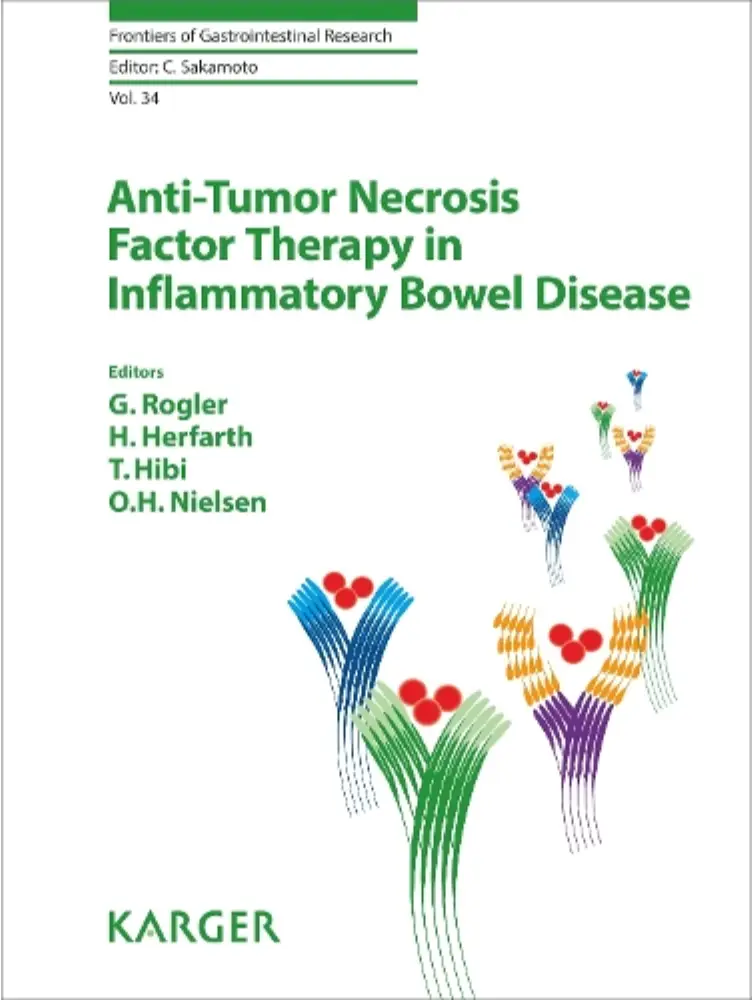
Anti-Tumor Necrosis Factor Therapy in Inflammatory Bowel Disease provides a comprehensive and focused examination of the use of anti-tumor necrosis factor (anti-TNF) agents in the management of inflammatory bowel disease (IBD), including both Crohn’s disease and ulcerative colitis. Designed for gastroenterologists, immunologists, researchers, and postgraduate medical trainees, the book combines clinical insights with evidence-based guidelines to help optimize therapy and patient outcomes.
The book begins with a concise overview of IBD pathophysiology, emphasizing the central role of tumor necrosis factor-alpha (TNF-α) in mediating intestinal inflammation. It details how dysregulated immune responses lead to chronic mucosal injury, epithelial barrier disruption, and systemic manifestations of the disease. By understanding TNF-α’s pivotal role, clinicians can appreciate why targeted inhibition is an effective therapeutic strategy in moderate to severe IBD.
A significant portion of the text is dedicated to pharmacology and mechanism of action of anti-TNF agents, including infliximab, adalimumab, certolizumab pegol, and golimumab. Each agent is described in terms of molecular structure, binding specificity, pharmacokinetics, and immunogenicity. The book also addresses differences between monoclonal antibodies and fusion proteins, and how these characteristics influence clinical choice, dosing schedules, and route of administration.
The book provides practical guidance on patient selection, highlighting indications for anti-TNF therapy such as steroid-refractory disease, fistulizing Crohn’s disease, and severe ulcerative colitis. It also outlines contraindications, including active infections, demyelinating disorders, and heart failure, ensuring patient safety. Pre-treatment screening protocols—covering tuberculosis, hepatitis B, and vaccination status—are discussed in detail to mitigate risks associated with immunosuppression.
Treatment monitoring is another key focus. The text covers clinical, endoscopic, and biomarker-based monitoring, including the use of C-reactive protein, fecal calprotectin, and drug trough levels to guide therapy. Strategies to manage primary non-response, loss of response, and immunogenicity-related treatment failure are clearly explained, including dose escalation, switching between agents, and combination therapy with immunomodulators.
Safety considerations and adverse effects are extensively reviewed. The book addresses infusion reactions, infections, malignancy risk, and rare autoimmune phenomena. It emphasizes risk-benefit assessment, ongoing vigilance, and patient counseling to optimize outcomes. Special populations, including pediatric and elderly patients, pregnant women, and individuals with comorbidities, are also discussed with tailored treatment recommendations.
The text integrates evidence from pivotal clinical trials, registry data, and real-world observational studies. It presents comparative efficacy, safety profiles, and long-term outcomes of different anti-TNF agents, providing clinicians with a comprehensive evidence base for decision-making. Case studies illustrate practical challenges and therapeutic solutions, bridging the gap between theory and clinical application.
Emerging concepts in anti-TNF therapy, such as combination biologics, therapeutic drug monitoring, and personalized medicine approaches, are explored to highlight future directions in IBD management. The book also briefly contextualizes anti-TNF therapy within the broader biologic and small-molecule treatment landscape, including integrin inhibitors and Janus kinase inhibitors, allowing readers to understand their role in step-up and step-down treatment strategies.
In summary, Anti-Tumor Necrosis Factor Therapy in Inflammatory Bowel Disease is a concise, evidence-based, and clinically oriented resource. It equips healthcare professionals with the knowledge and practical tools to effectively implement anti-TNF therapy, improve patient outcomes, and navigate the complexities of IBD management. Its combination of scientific rigor, practical guidance, and real-world insights makes it an essential reference for clinicians involved in the care of patients with inflammatory bowel disease.
Expanding further, Anti-Tumor Necrosis Factor Therapy in Inflammatory Bowel Disease delves deeper into advanced clinical strategies, patient management, and future perspectives, making it an indispensable guide for clinicians navigating the complexities of biologic therapy in IBD.






Reviews
There are no reviews yet