
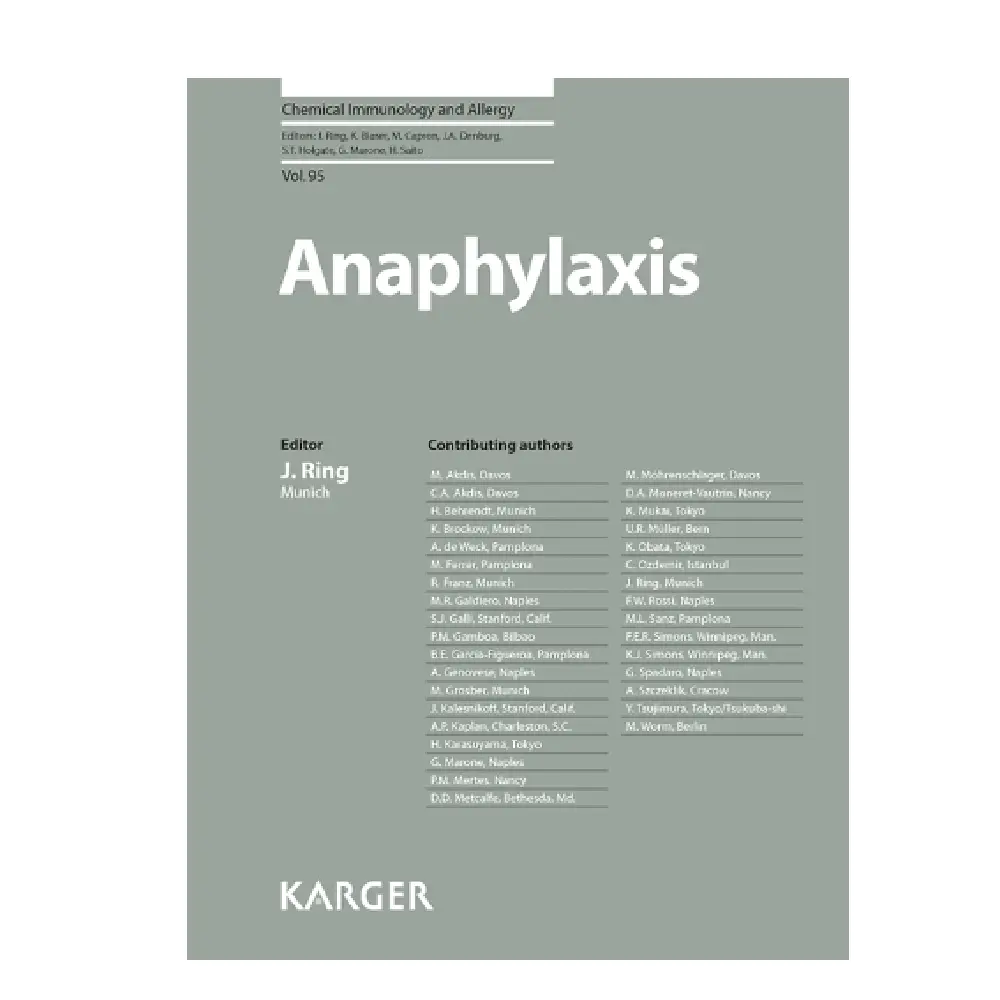

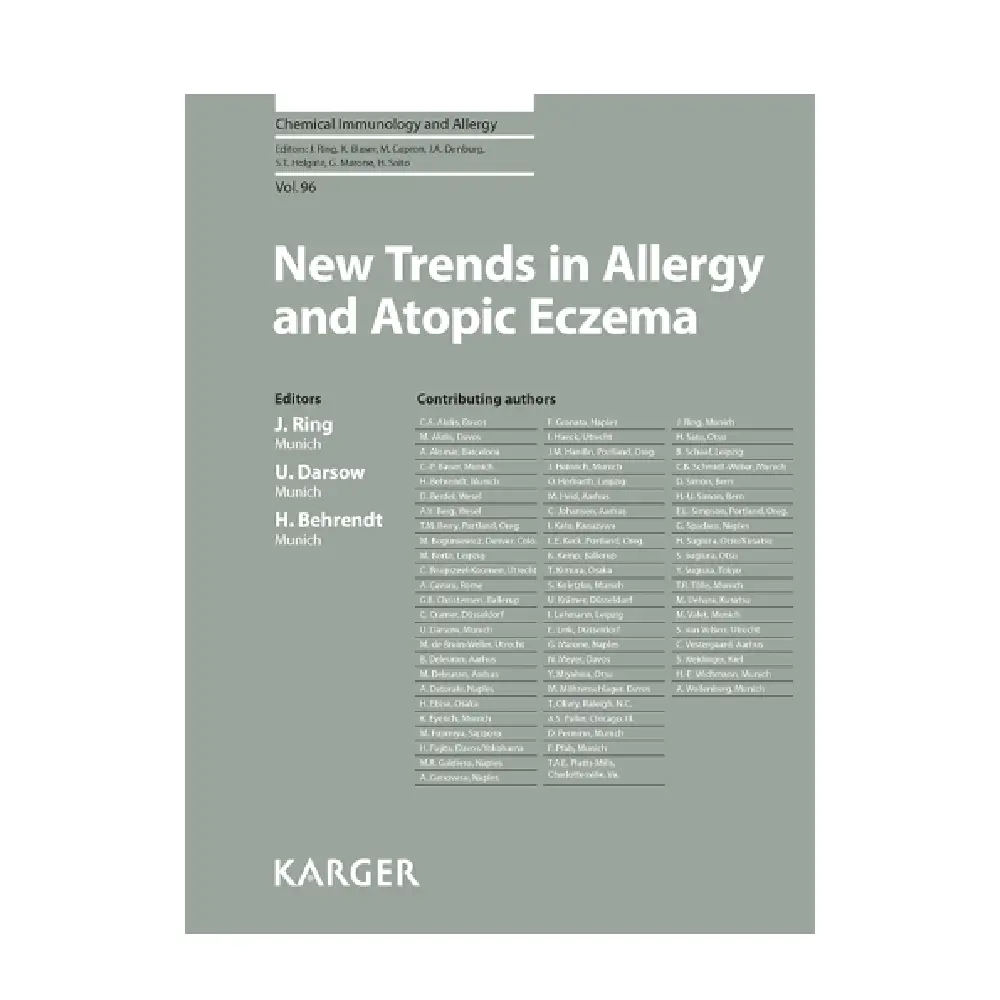
Anaphylaxis (Volume 95, Chemical Immunology and Allergy) is a specialized academic volume in the long-standing series Chemical Immunology and Allergy, published by S. Karger AG. This authoritative book provides a comprehensive, research-focused exploration of anaphylaxis, one of the most severe and rapidly life-threatening manifestations of allergic disease. Designed for allergists, immunologists, clinicians, and biomedical researchers, the volume bridges fundamental immunological mechanisms with real-world clinical management.
Anaphylaxis is an acute, systemic hypersensitivity reaction characterized by rapid onset and potentially fatal airway, breathing, or circulatory compromise. The condition is typically mediated by immunoglobulin E (IgE), although non-IgE pathways are increasingly recognized. This volume examines the complex cellular and molecular processes underlying mast cell and basophil activation, mediator release, and the cascade of inflammatory responses that culminate in multisystem involvement. Histamine, tryptase, leukotrienes, platelet-activating factor, and cytokines are discussed in detail, offering insight into how these mediators contribute to vasodilation, increased vascular permeability, bronchoconstriction, and shock.
A major strength of the book is its exploration of immunopathogenesis. It outlines how allergen exposure leads to sensitization, IgE production, and subsequent cross-linking of IgE bound to high-affinity receptors on mast cells. Beyond classical mechanisms, the text also addresses alternative pathways, including complement activation, direct mast cell activation by drugs, and IgG-mediated reactions. These discussions are particularly valuable in understanding atypical or refractory cases of anaphylaxis.
The volume thoroughly reviews common triggers of anaphylaxis, including foods (such as peanuts, tree nuts, shellfish, and milk), insect venom, medications (especially beta-lactam antibiotics and neuromuscular blocking agents), and latex. Exercise-induced and idiopathic anaphylaxis are also examined. Each trigger category is analyzed in terms of immunological mechanisms, epidemiology, risk factors, and prevention strategies. Special emphasis is placed on emerging allergens and the increasing global incidence of severe allergic reactions.
Epidemiological data presented in the book highlight variations in prevalence across geographic regions, age groups, and healthcare settings. Pediatric and adult populations are considered separately, with discussions on risk factors such as asthma, prior allergic disease, and delayed epinephrine administration. The book also evaluates mortality data and emphasizes the importance of early recognition and prompt treatment to reduce fatal outcomes.
Clinical presentation and diagnosis are discussed in a structured and practical manner. The authors describe the typical rapid progression of symptoms involving the skin, respiratory tract, gastrointestinal system, and cardiovascular system. Diagnostic criteria are reviewed, along with the role of serum tryptase measurement in confirming mast cell activation. Differential diagnoses—such as vasovagal syncope, panic attacks, and septic shock—are carefully compared to avoid misdiagnosis.
Management strategies form a central theme of the volume. Intramuscular epinephrine is clearly identified as the first-line treatment and the only intervention proven to reduce mortality. The pharmacodynamics of epinephrine are explained, including its alpha- and beta-adrenergic effects that counteract hypotension and bronchoconstriction. Adjunctive therapies such as antihistamines, corticosteroids, oxygen, and intravenous fluids are discussed in terms of supportive roles rather than replacements for epinephrine. The text also explores biphasic reactions and appropriate observation periods after symptom resolution.
Prevention and long-term management receive detailed attention. The book outlines patient education strategies, allergen avoidance, emergency action plans, and the prescription and correct use of epinephrine auto-injectors. Immunotherapy approaches, particularly venom immunotherapy, are presented as effective preventive measures in selected patients. Research into biologic therapies and mast cell-targeted treatments is also addressed, reflecting advances in precision allergy management.
Another significant contribution of the volume is its discussion of experimental models of anaphylaxis. Animal models are analyzed to understand systemic mediator release, cardiovascular collapse mechanisms, and therapeutic interventions. These preclinical insights support the development of improved diagnostic markers and novel therapeutic targets.
The book is structured into expert-authored chapters, each supported by extensive references. This makes it an invaluable resource not only for clinicians managing acute allergic emergencies but also for scientists investigating the immunobiology of hypersensitivity reactions. Tables, diagrams, and mechanistic illustrations enhance comprehension of complex immune pathways.
In summary, Anaphylaxis (Volume 95, Chemical Immunology and Allergy) is a scholarly and clinically relevant text that integrates cutting-edge immunological research with evidence-based clinical practice. It provides a deep understanding of pathophysiology, diagnostic criteria, management protocols, and preventive strategies. For healthcare professionals and researchers seeking a rigorous, up-to-date examination of severe allergic reactions, this volume remains an essential reference in the evolving field of allergy and clinical immunology.

Reviews
There are no reviews yet