
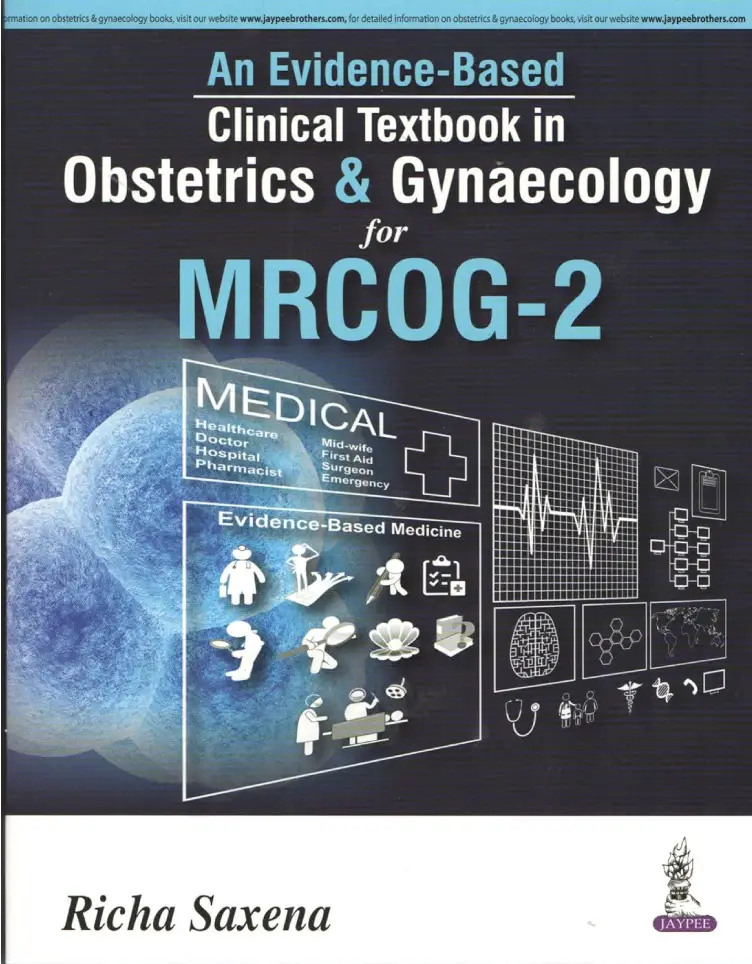
An Evidence-Based Clinical Textbook in Obstetrics & Gynaecology for MRCOG‑2 is a highly specialized academic resource designed to support postgraduate medical trainees preparing for the Membership of the Royal College of Obstetricians and Gynaecologists Part-2 examination. This textbook adopts an evidence-based clinical approach, integrating contemporary research findings with practical management strategies in obstetrics and gynaecology. The primary objective of the book is to help candidates develop critical thinking, clinical reasoning, and problem-solving skills required for advanced professional practice and successful examination performance.
The book covers a broad spectrum of topics relevant to modern obstetric and gynecological clinical practice. Each chapter is structured to present pathophysiology, clinical presentation, diagnostic workup, and evidence-based management protocols. Special emphasis is placed on guidelines supported by high-quality clinical research, systematic reviews, and internationally accepted medical standards. This makes the textbook particularly valuable not only for examination preparation but also for day-to-day clinical decision-making in tertiary care settings.
Obstetrics sections of the book discuss high-risk pregnancy conditions such as hypertensive disorders, diabetes in pregnancy, antepartum hemorrhage, and fetal growth abnormalities. The management algorithms are presented in a stepwise manner to help trainees understand the rationale behind therapeutic interventions. The book also addresses modern obstetric challenges including preterm labor prevention, multiple pregnancies, and maternal-fetal medicine principles. Emphasis is placed on antenatal surveillance techniques, interpretation of fetal monitoring, and appropriate timing of delivery in complicated pregnancies.
In the field of gynecology, the textbook provides comprehensive coverage of menstrual disorders, reproductive endocrinology, infertility evaluation, and benign gynecological diseases. It discusses the latest advances in minimally invasive gynecological procedures, hormonal therapies, and conservative management strategies. The approach to abnormal uterine bleeding, polycystic ovarian syndrome, and endometriosis is presented using current clinical evidence and standardized treatment pathways.
A significant strength of the book is its focus on examination-oriented learning. The MRCOG Part-2 examination requires candidates to demonstrate clinical application of knowledge rather than mere theoretical understanding. Therefore, the textbook includes case-based discussions, model clinical scenarios, and structured answer frameworks. These help readers practice writing concise, logically organized responses suitable for written and oral assessments.
The book also highlights important obstetric and gynecological emergencies. Topics such as eclampsia management, postpartum hemorrhage control, septic abortion care, and acute pelvic pain evaluation are explained with rapid assessment protocols. These sections are particularly useful for clinicians working in emergency obstetric units where timely intervention is critical for maternal and fetal survival.
Another important feature is the integration of recent advances in reproductive medicine and fetal therapy. The text reflects developments in prenatal diagnostic techniques, assisted reproductive technology principles, and fetal anomaly screening methods. Ethical considerations in obstetric and gynecological practice are also discussed, helping clinicians understand patient-centered care, consent issues, and professional responsibilities.
The writing style of the textbook is clear, concise, and clinically oriented. Complex medical concepts are simplified without compromising scientific accuracy. Tables, flowcharts, and summary boxes are used extensively to facilitate quick revision and reinforce memory retention. These visual learning aids are particularly beneficial for postgraduate students preparing under time constraints.
This textbook serves multiple audiences including MRCOG candidates, obstetrics and gynecology residents, practicing clinicians, and medical educators. It bridges the gap between theoretical knowledge and clinical application by emphasizing evidence-based management.
Overall, An Evidence-Based Clinical Textbook in Obstetrics & Gynaecology for MRCOG‑2 is a valuable reference resource that supports advanced obstetric and gynecological education. Its comprehensive coverage, clinical relevance, and examination-focused design make it an essential companion for postgraduate medical training and professional development in women’s healthcare.
Reviews
There are no reviews yet