
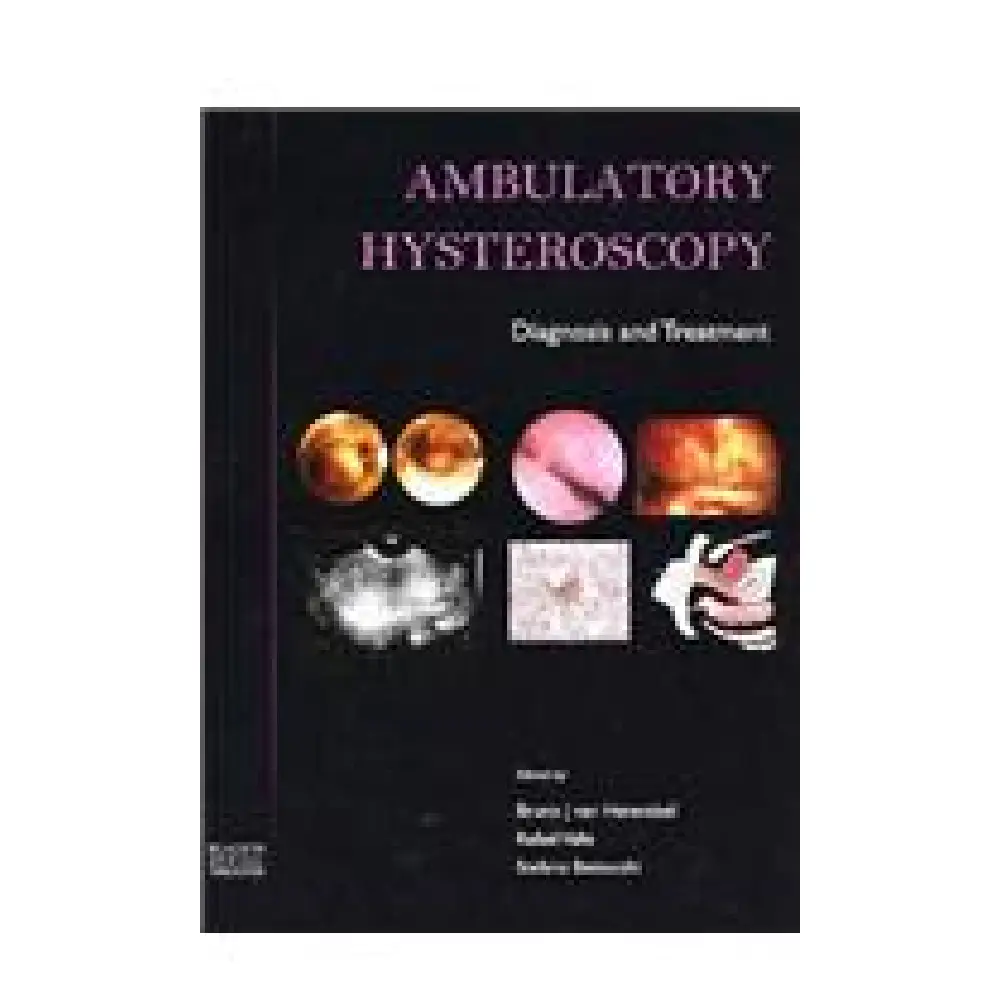


Ambulatory Hysteroscopy: Diagnosis and Treatment is a specialized medical reference that focuses on the role of hysteroscopy in the diagnosis and management of intrauterine pathologies in an outpatient or office-based setting. This book is particularly useful for gynecologists, reproductive medicine specialists, and surgeons who are interested in minimally invasive diagnostic techniques and therapeutic interventions within the uterine cavity.
Ambulatory hysteroscopy refers to the performance of hysteroscopic procedures without the need for hospital admission or general anesthesia. Advances in endoscopic technology have made it possible to evaluate and treat many uterine disorders in a single outpatient visit. This approach has significantly improved patient convenience, reduced healthcare costs, and minimized procedural morbidity.
The primary objective of ambulatory hysteroscopy is early and accurate diagnosis of intrauterine abnormalities. Common indications include abnormal uterine bleeding, infertility evaluation, recurrent pregnancy loss, and suspected uterine structural abnormalities. Conditions such as endometrial polyps, submucous fibroids, uterine septa, adhesions, and retained products of conception can be effectively visualized using hysteroscopic techniques.
The book emphasizes the importance of proper patient selection and pre-procedure counseling. Patients are usually evaluated through detailed history taking, pelvic examination, and preliminary imaging studies such as ultrasonography. Counseling helps reduce anxiety and prepares patients for possible discomfort during the procedure. Since ambulatory hysteroscopy is often performed without general anesthesia, understanding pain management strategies is crucial.
Technological advancements have played a major role in the development of office hysteroscopy. The introduction of smaller diameter hysteroscopes, improved optical systems, and flexible instrumentation has enhanced procedural safety and patient tolerance. Modern hysteroscopes allow direct visualization of the uterine cavity while maintaining minimal cervical dilation, thereby reducing trauma and discomfort.
Diagnostic hysteroscopy allows clinicians to inspect the endometrial cavity, assess tubal ostia, and identify pathological lesions. Endometrial polyps are among the most commonly detected abnormalities and can be removed during the same procedure using operative hysteroscopic instruments. Submucous fibroids may also be treated depending on their size, location, and degree of intracavitary extension.
Therapeutic hysteroscopy performed in the ambulatory setting includes procedures such as polypectomy, removal of small fibroids, adhesion lysis, and targeted endometrial biopsy. These interventions are advantageous because they combine diagnosis and treatment in a single session, reducing the need for multiple hospital visits.
Pain control is an essential component of outpatient hysteroscopy. Various analgesic strategies are discussed, including local cervical anesthesia, non-steroidal anti-inflammatory drugs, and minimal sedation techniques. Proper pain management improves patient satisfaction and procedural success rates.
Complication rates in ambulatory hysteroscopy are generally low when performed by trained professionals. Possible complications include uterine perforation, bleeding, infection, and fluid overload. The book provides guidance on complication prevention, early recognition, and appropriate management protocols to ensure patient safety.
The role of ambulatory hysteroscopy in infertility management is particularly important. It allows direct assessment of uterine factors that may interfere with implantation. Detection and correction of intrauterine abnormalities can improve reproductive outcomes, especially in patients undergoing assisted reproductive treatments.
The text also highlights the importance of maintaining sterile technique and following standardized procedural protocols. Continuous saline or distension medium monitoring is recommended to prevent fluid absorption complications. Surgical skill, proper equipment handling, and anatomical knowledge are emphasized as essential requirements for successful outcomes.
From a clinical perspective, ambulatory hysteroscopy represents a shift toward patient-centered minimally invasive gynecological care. It offers advantages such as shorter recovery time, reduced hospitalization, and improved diagnostic accuracy. Many patients are able to resume normal activities shortly after the procedure.
In modern gynecological practice, ambulatory hysteroscopy has become an integral component of uterine cavity evaluation and management. Ongoing research is focused on improving instrumentation, enhancing imaging quality, and expanding therapeutic capabilities within the outpatient setting.
In conclusion, Ambulatory Hysteroscopy: Diagnosis and Treatment provides comprehensive insight into office-based hysteroscopic practice. By integrating diagnostic precision with minimally invasive therapy, ambulatory hysteroscopy has transformed the management of intrauterine diseases and continues to play a vital role in contemporary gynecology.






Reviews
There are no reviews yet