
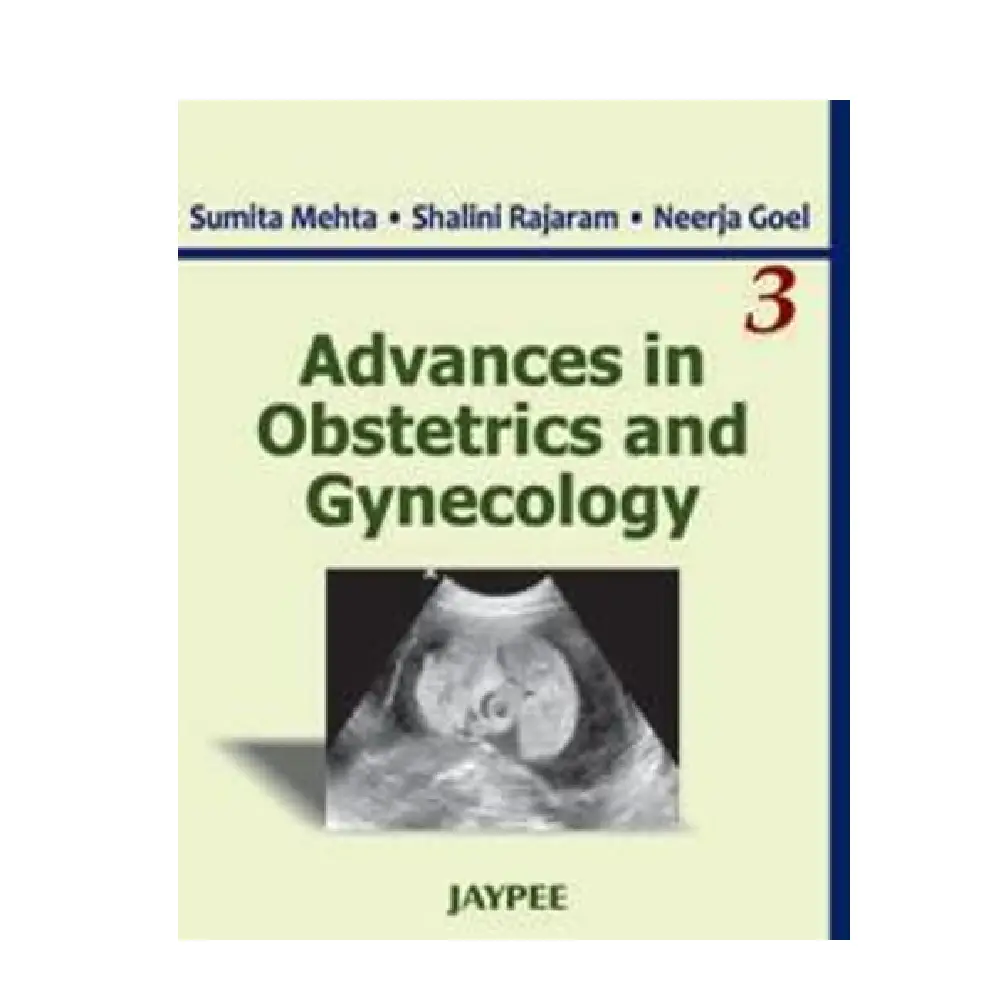


Advances in Obstetrics and Gynecology (Volume-3)
Advances in Obstetrics and Gynecology (Volume-3) is part of a well-established multi-volume series that synthesizes cutting-edge research, clinical breakthroughs, and emerging paradigms in women’s health. This volume builds on foundational texts by integrating new scientific insights with practical clinical applications, making it essential reading for obstetricians, gynecologists, maternal-fetal medicine specialists, reproductive endocrinologists, trainees, and allied healthcare providers. Its purpose is to translate rapidly advancing knowledge into improved patient care across the spectrum of obstetric and gynecologic practice.
Overview and Purpose
Advances in Obstetrics and Gynecology (Volume-3) is designed to serve as a contemporary reference that highlights novel findings, evidence-based clinical strategies, and transformative technologies. Unlike standard textbooks that primarily describe established practice, this series emphasizes innovation, translational research, and future directions. Volume-3 builds upon prior editions by incorporating the latest data from clinical trials, genomic research, diagnostic innovations, and therapeutic developments.
The format typically combines detailed review chapters, state-of-the-art perspectives, and expert commentary from global leaders in obstetrics and gynecology. Each chapter aims to make complex research accessible and relevant to patient care, with clinical implications drawn clearly from the scientific evidence.
Key Themes and Sections
Although specific chapter lists vary by publication year and editor, common themes in Volume-3 include advances in:
1. Maternal-Fetal Medicine
This section addresses critical developments in understanding and managing high-risk pregnancies. Topics often covered include:
-
Prevention and management of preterm birth: Latest insights into inflammatory pathways, cervical insufficiency protocols, and personalized risk stratification.
-
Preeclampsia and hypertensive disorders: New biomarkers, prediction models, and therapeutic targets beyond aspirin prophylaxis.
-
Fetal therapy and diagnostics: Advances in fetal imaging, noninvasive prenatal testing (NIPT), and in utero interventions for structural anomalies.
These chapters typically discuss how new research is reshaping clinical pathways, with emphasis on outcome data and multidisciplinary care models.
2. Reproductive Endocrinology and Infertility (REI)
Volume-3 often includes cutting-edge content on reproductive medicine, such as:
-
Ovarian aging and fertility preservation: Insights into follicular dynamics, ovarian reserve testing, and cryopreservation techniques.
-
Assisted reproductive technologies (ART): Innovations in stimulation protocols, embryo culture systems, and genetic testing of embryos.
-
Male factor infertility: Advances in sperm biology, oxidative stress markers, and microsurgical sperm retrieval.
Each chapter highlights evidence supporting new protocols, success rates, and individualized treatment strategies.
3. Gynecologic Oncology
Given its rapid evolution, this field receives significant attention:
-
Molecular characterization of gynecologic cancers: Integration of genomic profiling into therapeutic decisions, targeted agents, and immunotherapy.
-
Minimally invasive surgical advances: Robotic techniques, sentinel lymph node mapping, and enhanced recovery pathways.
-
Prevention strategies: HPV vaccination impact, screening innovations, and risk reduction protocols.
These updates bridge basic science findings with practical oncologic care.
4. Minimally Invasive Surgery and Technology
Advances in surgical techniques are central to modern gynecology:
-
Laparoscopic and robotic surgery: Comparative outcomes, cost-effectiveness, and training paradigms.
-
Hysteroscopic innovations: Office-based procedures, 3D imaging, and navigational tools.
-
Energy devices and safety algorithms: Updates on bipolar, ultrasonic, and laser technologies with safety guidelines.
Chapter authors often provide procedural insights, complication avoidance strategies, and recommendations for surgical education.
5. Urogynecology and Pelvic Floor Disorders
Emerging approaches in this domain reflect aging populations and quality-of-life priorities:
-
Biomechanics of pelvic support: Novel understanding of connective tissue biology and pelvic biomechanics.
-
Non-surgical treatments: Role of physiotherapy, pessary use, and lifestyle interventions.
-
Mesh controversy and regulatory updates: Evidence-based perspectives on the use and risks of surgical mesh.
The emphasis is on informed decision-making and individualized patient care.
6. Global and Public Health Perspectives
Volume-3 often includes chapters on broader impacts of obstetric and gynecologic care:
-
Maternal mortality and morbidity reduction: Strategies in resource-limited settings, health system strengthening, and perinatal audits.
-
Health disparities: Addressing inequities in access to care, culturally competent care models, and population health data.
-
Policy and advocacy: Emerging policies affecting reproductive rights, screening mandates, and pandemic response.
These sections contextualize clinical knowledge within global health challenges.
Clinical Relevance and Educational Value
One of the greatest strengths of Advances in Obstetrics and Gynecology (Volume-3) is its emphasis on translating research into practice. Rather than merely summarizing data, the volume helps clinicians assess:
-
Which innovations are ready for routine practice
-
Which remain investigational and require further evidence
-
How to tailor care to individual patients based on risk profiles and reproductive goals
Each chapter often includes tables, clinical algorithms, and summary points that facilitate quick reference and direct clinical application.
Conclusion
Advances in Obstetrics and Gynecology (Volume-3) stands as a pivotal resource for professionals committed to advancing women’s reproductive health. Its integration of emergent science, clinical wisdom, and future innovation provides a roadmap for both current practice and the evolving landscape of obstetrics and gynecology. Whether for seasoned specialists or trainees aiming to deepen their expertise, this volume enriches understanding and sharpens clinical judgment in a rapidly advancing field.





Reviews
There are no reviews yet