

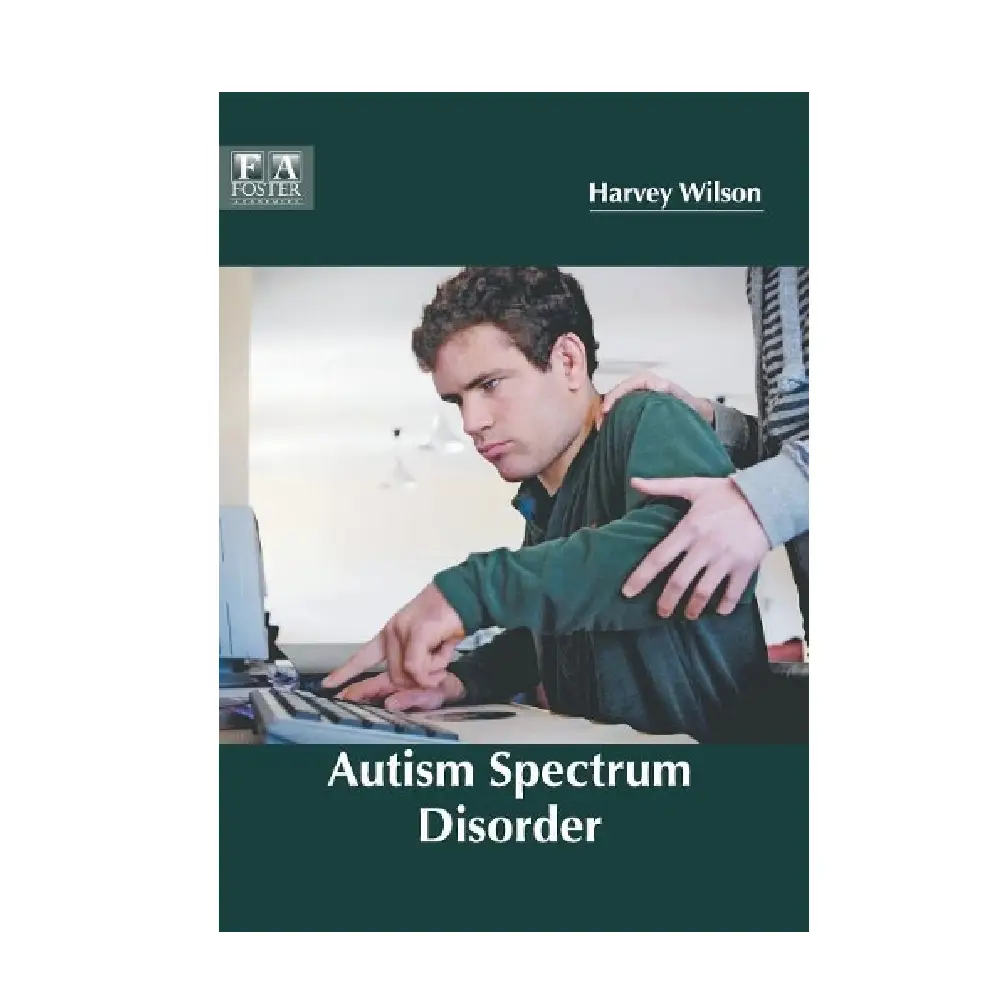

ADHD and Developmental Disabilities
Attention-Deficit/Hyperactivity Disorder (ADHD) is one of the most common neurodevelopmental disorders of childhood. It is characterized by persistent patterns of inattention, hyperactivity, and impulsivity that interfere with functioning or development. ADHD often coexists with other developmental disabilities, creating complex clinical presentations that require comprehensive evaluation and multidisciplinary care.
Understanding ADHD
According to the Diagnostic and Statistical Manual of Mental Disorders (DSM-5) published by the American Psychiatric Association, ADHD is classified as a neurodevelopmental disorder. Symptoms are grouped into two major domains:
-
Inattention – Difficulty sustaining attention, careless mistakes, forgetfulness, disorganization, and avoidance of tasks requiring sustained mental effort.
-
Hyperactivity and Impulsivity – Fidgeting, excessive talking, difficulty remaining seated, interrupting others, and acting without considering consequences.
Symptoms must be present before age 12, occur in multiple settings (such as home and school), and significantly impair social, academic, or occupational functioning.
ADHD affects both children and adults, although hyperactivity may decrease with age while inattention and impulsivity often persist.
Developmental Disabilities Overview
Developmental disabilities are a group of conditions that begin during the developmental period (before age 18) and may impact physical, intellectual, communication, or behavioral functioning. These include:
-
Intellectual Disability (ID)
-
Autism Spectrum Disorder (ASD)
-
Specific Learning Disorders
-
Speech and Language Disorders
-
Cerebral Palsy
-
Genetic syndromes such as Down syndrome
These conditions vary widely in severity and functional impact.
Relationship Between ADHD and Developmental Disabilities
ADHD frequently co-occurs with other developmental disorders. For example:
-
ADHD and Intellectual Disability: Children with intellectual disability may also display hyperactivity and poor attention regulation. Diagnosis can be challenging because attention difficulties may overlap with cognitive delays.
-
ADHD and Autism Spectrum Disorder: Many children with ASD exhibit ADHD symptoms such as impulsivity and distractibility. Co-occurrence can complicate treatment and educational planning.
-
ADHD and Learning Disorders: Difficulties in reading (dyslexia), writing, or mathematics are common among children with ADHD. Attention problems can exacerbate academic struggles.
-
ADHD and Language Disorders: Impulsivity and inattention may interfere with language development and communication skills.
Research suggests that shared genetic and neurobiological factors contribute to these overlaps. Brain imaging studies indicate differences in frontal lobe function, executive functioning networks, and dopamine regulation in individuals with ADHD and related conditions.
Impact on Daily Life
Children with ADHD and coexisting developmental disabilities may face:
-
Academic underachievement
-
Behavioral challenges in school
-
Difficulty forming peer relationships
-
Low self-esteem
-
Increased family stress
Without appropriate support, these difficulties can persist into adolescence and adulthood, leading to higher risks of anxiety, depression, substance misuse, and employment challenges.
Assessment and Diagnosis
Comprehensive assessment is essential. Evaluation typically includes:
-
Developmental and medical history
-
Behavioral rating scales completed by parents and teachers
-
Psychological testing for cognitive and academic skills
-
Screening for speech, language, and social communication issues
Early identification improves outcomes by enabling targeted interventions. Pediatricians, child psychiatrists, psychologists, and special educators often collaborate in diagnosis.
Management and Intervention
Treatment plans should be individualized and may include:
1. Behavioral Interventions
Parent management training and classroom behavior strategies help structure environments and reinforce positive behaviors.
2. Educational Support
Individualized Education Programs (IEPs) or 504 plans provide accommodations such as extra time, structured routines, and resource support.
3. Medication
Stimulant medications (e.g., methylphenidate, amphetamines) and non-stimulant options can reduce core ADHD symptoms. Medication decisions must consider coexisting developmental conditions.
4. Speech and Occupational Therapy
These therapies address communication delays, sensory processing difficulties, and fine motor challenges.
5. Social Skills Training
Helps children develop appropriate peer interaction and emotional regulation.
Family and Community Role
Family involvement is critical. Parents benefit from counseling, training programs, and support groups. Schools must adopt inclusive practices to ensure children with ADHD and developmental disabilities receive equitable educational opportunities.
Public awareness and reduced stigma are equally important. Misunderstanding these conditions can lead to labeling children as “lazy” or “disruptive,” rather than recognizing underlying neurodevelopmental differences.
Long-Term Outlook
With early diagnosis, structured support, and consistent intervention, many individuals with ADHD and developmental disabilities can achieve academic success, meaningful employment, and independent living. Outcomes vary depending on severity, access to services, family support, and individual strengths.
A strengths-based approach—focusing on abilities rather than deficits—promotes resilience and self-confidence. Many individuals with ADHD demonstrate creativity, high energy, problem-solving skills, and entrepreneurial potential.








Reviews
There are no reviews yet