
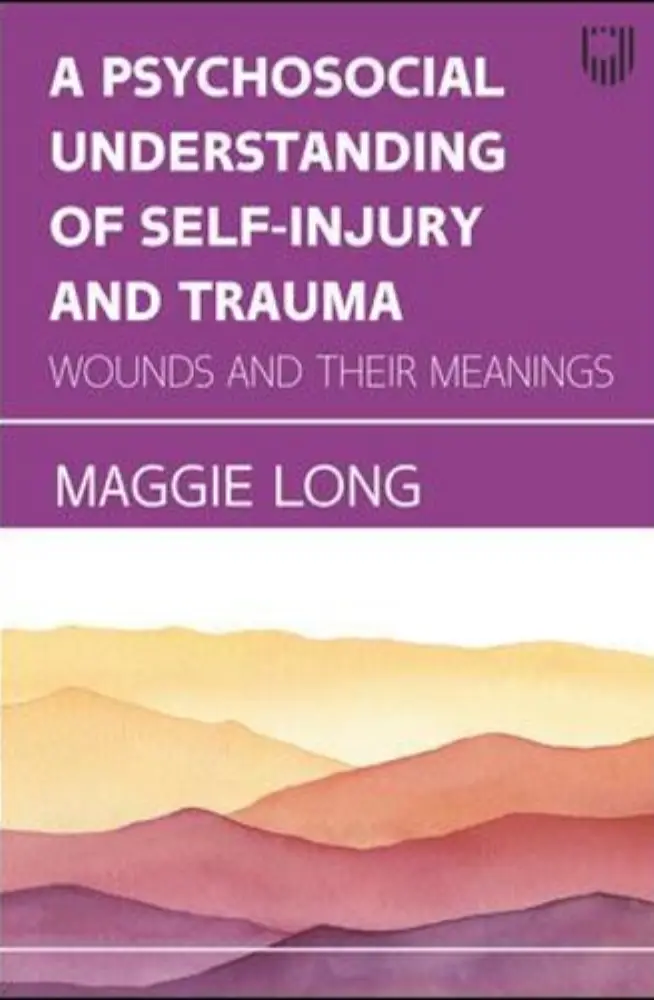


A Psychosocial Understanding of Self-injury and Trauma: Wounds and their Meanings: Wounds and their Meanings
A Psychosocial Understanding of Self-Injury and Trauma: Wounds and Their Meanings is an insightful and thought-provoking work that explores the complex relationship between self-injury, psychological trauma, and social context. The book adopts a psychosocial perspective, emphasizing that self-injurious behavior cannot be understood solely through biological or individual psychological frameworks, but must also be examined within broader social, cultural, and relational environments.
The central theme of the book is that self-injury is not merely a pathological act, but a meaningful response to distress. Individuals who engage in self-harm often use it as a coping mechanism to manage overwhelming emotions, trauma, or internal conflict. The authors challenge simplistic interpretations that label self-injury as attention-seeking or purely destructive, instead presenting it as a form of communication and emotional regulation.
A key focus is the Wounds and their Meanings connection between trauma and self-injury. Many individuals who engage in self-harm have histories of trauma, including abuse, neglect, or significant emotional adversity. The book explains how trauma can disrupt emotional processing, identity formation, and interpersonal relationships. Self-injury may serve as a way to externalize internal pain, regain a sense of control, or temporarily relieve emotional numbness.
The psychosocial approach integrates both psychological and social dimensions. On the psychological side, the book explores concepts such as attachment, identity, and emotional regulation. It discusses how early relationships and developmental experiences influence coping mechanisms and vulnerability to self-injury. On the social side, it examines how factors like family dynamics, cultural norms, stigma, and societal pressures shape the experience and expression of distress.
Another important aspect is the meaning of wounds. The title itself highlights the symbolic and communicative nature of self-inflicted injuries. The book argues that physical wounds can represent emotional pain, trauma, or unmet needs. For some individuals, the act of self-injury provides a tangible expression of feelings that are otherwise difficult to articulate. Understanding these meanings is essential for clinicians and caregivers in order to respond with empathy and effectiveness.
The book also addresses the role of stigma and misunderstanding in the treatment of self-injury. Individuals who self-harm often face judgment and marginalization, which can worsen their distress and discourage them from seeking help. The authors advocate for a compassionate and non-judgmental approach that validates the individual’s experience while encouraging healthier coping strategies.
Clinical implications are a major component of the text. The book provides guidance for mental health professionals on how to assess and support individuals who engage in self-injury. It emphasizes the importance of building therapeutic relationships based on trust, empathy, and respect. Rather than focusing solely on stopping the behavior, clinicians are encouraged to explore the underlying meanings and functions of self-injury.
Intervention strategies discussed in the book include psychotherapy approaches that address trauma, emotional regulation, and identity development. Techniques such as cognitive-behavioral therapy, dialectical behavior therapy, and trauma-informed care are highlighted. The book also underscores the importance of individualized treatment plans that consider the person’s unique experiences and social context.
In conclusion, A Psychosocial Understanding of Self-Injury and Trauma: Wounds and Their Meanings provides a comprehensive and compassionate exploration of self-harm and its underlying causes. By integrating psychological insights with social context, the book offers a deeper understanding of self-injury as a meaningful response to distress. It is an essential resource for clinicians, students, and anyone seeking to understand and support individuals affected by trauma and self-injury.




Reviews
There are no reviews yet