
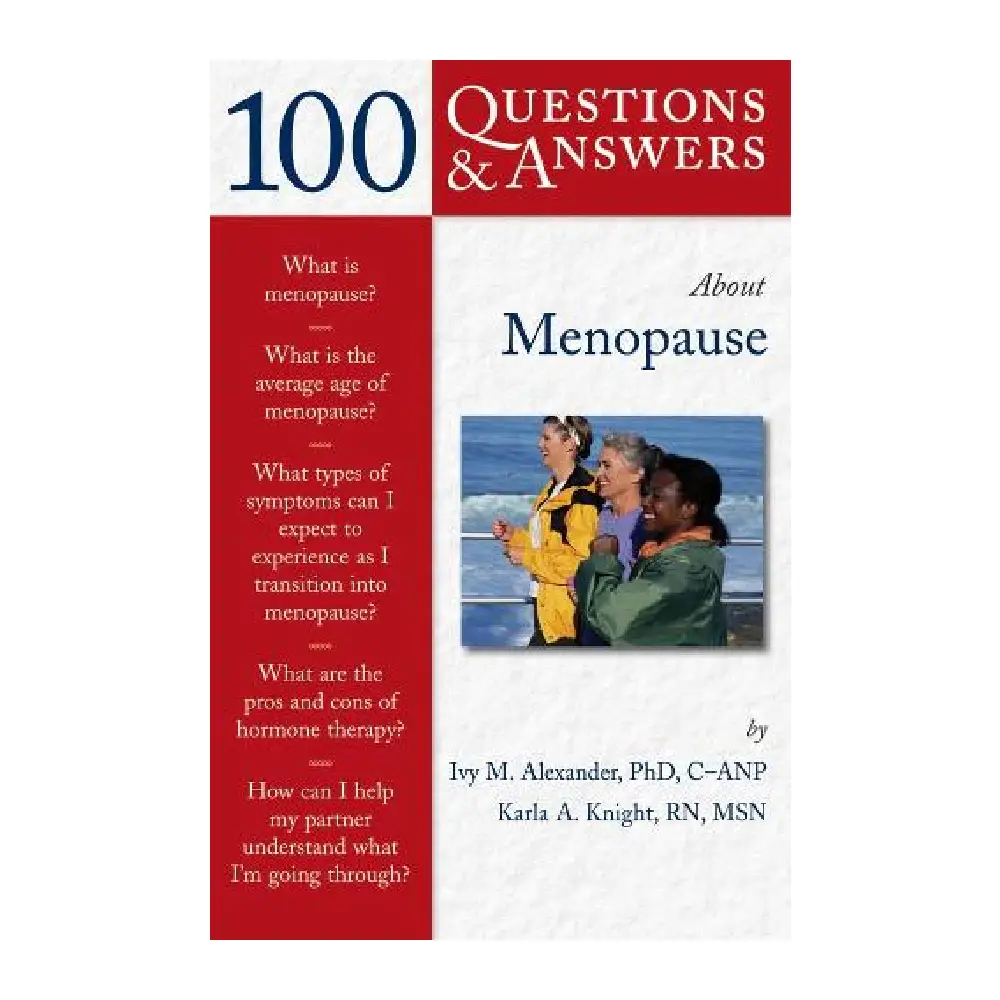
100 Questions & Answers About Menopause
100 Questions & Answers About Menopause is a practical and reader-friendly guide designed to address the most common concerns women have about menopause and midlife health. Written in a clear question-and-answer format, the book provides evidence-based information while maintaining an accessible tone. It is especially helpful for women approaching menopause, those currently experiencing symptoms, and healthcare professionals who counsel patients on menopausal health.
The book is authored by Dawn B. Mark and Mary Jane Minkin, both recognized experts in women’s health. Their clinical experience and academic background ensure that the content is medically accurate, up to date, and sensitive to the emotional and physical challenges women face during this transition.
Overview and Structure
The text follows a structured Q&A format, presenting 100 commonly asked questions grouped into thematic sections. This layout allows readers to quickly locate answers relevant to their specific concerns. Each response is concise yet comprehensive, blending scientific evidence with practical advice.
Topics are arranged to move logically from basic definitions and physiology to symptom management, long-term health considerations, and lifestyle strategies. The approachable style makes it suitable not only for patients but also for nurses, medical students, and allied health professionals seeking a quick reference.
Understanding Menopause
The book begins by explaining what menopause is: the permanent cessation of menstruation due to loss of ovarian follicular activity, confirmed after 12 consecutive months without a menstrual period. It clarifies the stages of reproductive aging—perimenopause, menopause, and postmenopause—and discusses the hormonal changes involving estrogen and progesterone decline.
Common myths are addressed early, helping readers distinguish between normal aging and pathological conditions. The authors emphasize that menopause is a natural biological process, not a disease, though it may be associated with uncomfortable symptoms.
Symptoms and Their Management
A major portion of the book focuses on common menopausal symptoms:
-
Hot flashes and night sweats
-
Mood changes and irritability
-
Sleep disturbances
-
Vaginal dryness and sexual discomfort
-
Decreased libido
-
Cognitive complaints such as memory lapses
Each symptom is explained in terms of underlying hormonal mechanisms. The book discusses both pharmacologic and non-pharmacologic treatments. Hormone replacement therapy (HRT), including estrogen therapy and combined estrogen-progestin regimens, is reviewed with attention to benefits and risks. The authors provide balanced discussion regarding cardiovascular risk, breast cancer concerns, and osteoporosis prevention.
Non-hormonal options such as selective serotonin reuptake inhibitors (SSRIs), gabapentin, lifestyle modifications, stress reduction, and dietary changes are also explored. Practical tips—such as dressing in layers, maintaining a cool sleep environment, and regular physical activity—are included to empower readers with self-care strategies.
Long-Term Health Considerations
Menopause has implications beyond immediate symptoms. The book highlights long-term health risks associated with estrogen deficiency, including:
-
Osteoporosis
-
Cardiovascular disease
-
Urogenital atrophy
Bone health receives special emphasis, with guidance on calcium and vitamin D intake, weight-bearing exercise, and bone density testing. Cardiovascular risk factors such as cholesterol levels, blood pressure, and diabetes are discussed, encouraging preventive screening and healthy lifestyle habits.
Sexual health and intimacy are addressed candidly, recognizing the importance of maintaining relationship satisfaction and self-confidence. Treatments for vaginal atrophy, including local estrogen therapy and lubricants, are described in detail.
Emotional and Psychological Aspects
Beyond physical symptoms, menopause can be an emotionally complex period. The authors acknowledge anxiety about aging, body image, and changing family roles. The book encourages open communication with partners and healthcare providers. It also reassures readers that mood swings are common but treatable, and persistent depression should prompt professional evaluation.
Special Situations
The book also discusses early or surgical menopause, including menopause induced by oophorectomy or cancer treatment. These cases often produce more abrupt symptoms and may require tailored management. Women with a history of breast cancer or high cardiovascular risk are given guidance regarding alternatives to hormone therapy.
Style and Practical Value
One of the book’s greatest strengths is its clarity. Medical terminology is explained in simple language without sacrificing accuracy. Clinical recommendations are presented in a balanced manner, allowing women to make informed decisions in consultation with their healthcare providers.
Case examples and patient perspectives enhance relatability. The question-and-answer format reduces intimidation and encourages readers to explore sensitive topics they might hesitate to ask in a clinical setting.
Conclusion
100 Questions & Answers About Menopause serves as a comprehensive yet accessible guide to understanding and managing menopause. Covering physiology, symptom control, long-term health risks, and emotional well-being, it equips women with reliable information to navigate this life stage confidently. By combining expert medical knowledge with compassionate guidance, the book empowers readers to make informed choices and maintain quality of life throughout the menopausal transition and beyond.
Reviews
There are no reviews yet