
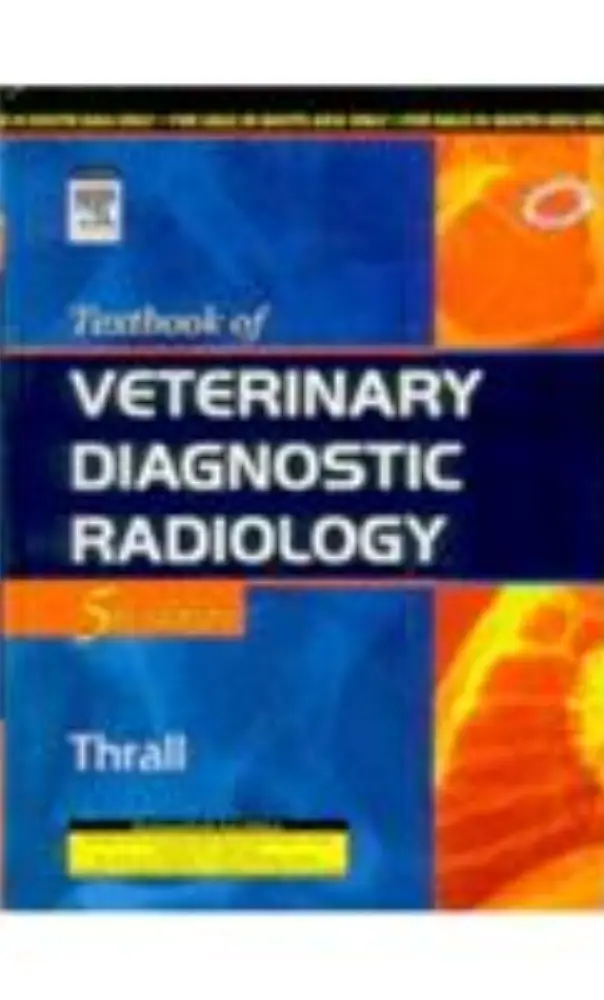



Textbook of Veterinary Diagnostic Radiology, 5th Edition
Textbook of Veterinary Diagnostic Radiology, 5th Edition is a definitive and widely respected resource in the field of veterinary imaging. Designed for veterinary students, radiologists, clinicians, and practitioners, the book provides a comprehensive understanding of diagnostic imaging techniques used in veterinary medicine. It emphasizes both foundational principles and clinical applications, making it an essential guide for interpreting radiographic and advanced imaging findings in animals.
The book begins with a strong foundation in the principles of radiology, including radiation physics, image formation, and radiation safety. These introductory chapters are crucial for helping readers understand how images are produced and how to optimize image quality while minimizing exposure risks. The authors present complex concepts in a clear and accessible manner, ensuring that readers develop a solid theoretical base before moving on to clinical interpretation.
A key feature of this edition is its Veterinary Diagnostic Radiology systematic approach to radiographic interpretation. The text guides readers through step-by-step methods for evaluating images, encouraging a logical and consistent approach to diagnosis. It teaches how to identify normal anatomical structures and distinguish them from pathological changes. This structured methodology is particularly beneficial for students and early-career veterinarians who are developing their diagnostic skills.
The book covers imaging of all major body systems in a wide range of animal species, including small animals such as dogs and cats, as well as large animals like horses and cattle. Each section focuses on a specific anatomical region—such as the thorax, abdomen, musculoskeletal system, and skull—and provides detailed descriptions of normal radiographic anatomy followed by common abnormalities and diseases. High-quality images accompany the text, allowing readers to correlate written descriptions with visual examples.
In addition to conventional radiography, the textbook includes extensive coverage of advanced imaging modalities such as ultrasound, computed tomography (CT), and magnetic resonance imaging (MRI). These sections reflect the growing importance of advanced diagnostics in veterinary practice. The book explains when and how to use these techniques, as well as their advantages and limitations, helping clinicians choose the most appropriate imaging method for each case.
Clinical relevance is a central focus throughout the book. Case studies and real-life examples are used to demonstrate how imaging findings contribute to diagnosis and treatment planning. These cases help readers apply theoretical knowledge to practical situations, enhancing their problem-solving abilities. The integration of clinical context ensures that the book is not only informative but also highly applicable in everyday veterinary practice.
Another strength of the 5th edition is its updated content, which reflects the latest advancements in veterinary radiology. New imaging techniques, improved technologies, and updated diagnostic criteria are incorporated to keep the material current. This ensures that readers are learning practices that align with modern standards in veterinary medicine.
The book also emphasizes the importance of safety and ethical considerations in radiology. Proper handling of equipment, protection from radiation exposure, and adherence to safety guidelines are thoroughly discussed. These aspects are essential for maintaining a safe working environment in veterinary clinics and hospitals.
Overall, Textbook of Veterinary Diagnostic Radiology, 5th Edition is an authoritative and practical resource that combines detailed theoretical knowledge with clinical application. Its clear explanations, systematic approach, and extensive visual content make it an invaluable tool for anyone involved in veterinary diagnostics. Whether used for academic study or clinical reference, this textbook plays a vital role in developing accurate and confident diagnostic skills in veterinary radiol.



Reviews
There are no reviews yet