
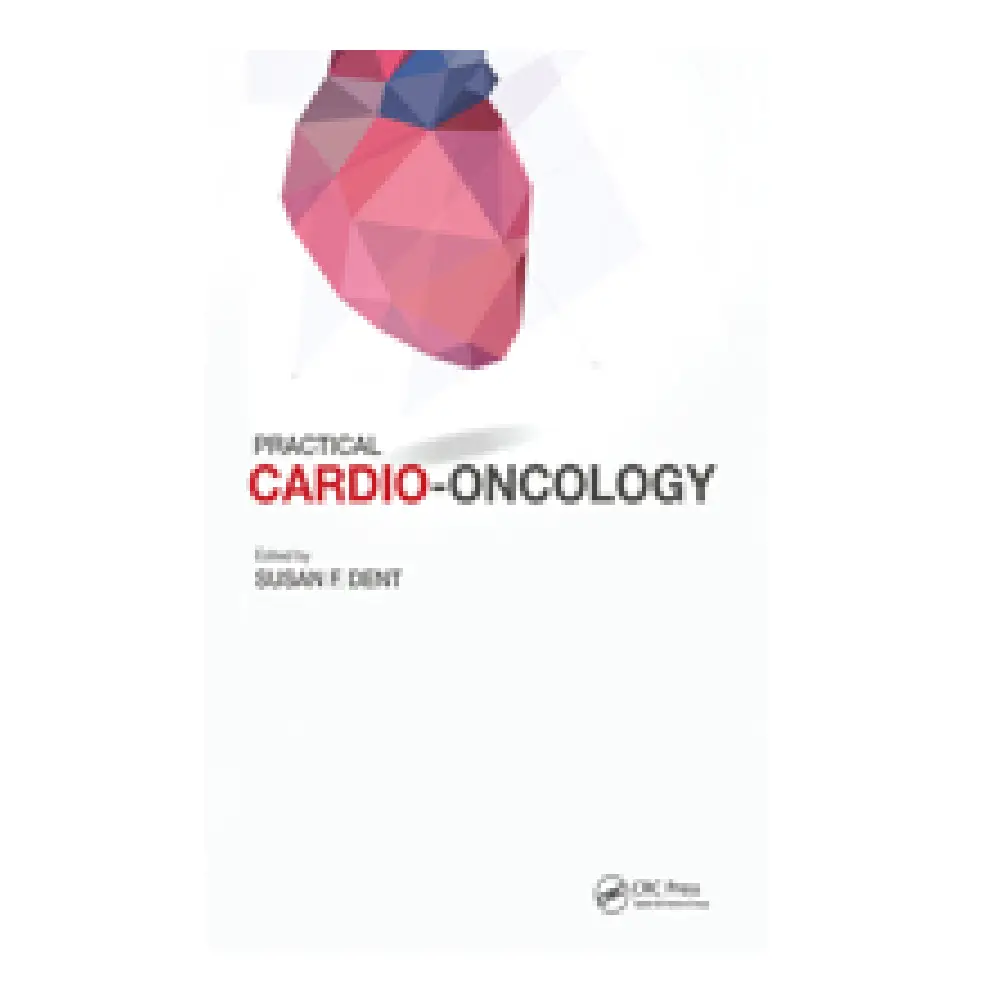
Practical Cardio-Oncology
Cardio-oncology is a rapidly evolving subspecialty that addresses the cardiovascular complications associated with cancer and its therapies. Practical Cardio-Oncology serves as a comprehensive clinical guide designed to help healthcare professionals navigate the complex intersection between oncology and cardiovascular medicine. As advances in cancer therapy have significantly improved survival rates, attention has increasingly shifted toward managing long-term treatment-related toxicities, particularly those affecting the heart and vascular system.
The book emphasizes a multidisciplinary approach, bringing together cardiologists, oncologists, hematologists, and advanced practice providers to optimize patient outcomes. It begins by outlining the epidemiology of cardiovascular disease in cancer patients and survivors, highlighting how pre-existing risk factors—such as hypertension, diabetes, dyslipidemia, and smoking—interact with cancer therapies to increase cardiac risk. The text underscores the importance of baseline cardiovascular risk assessment prior to initiating chemotherapy, targeted therapy, or radiation therapy.
A core section of the book focuses on the mechanisms of cardiotoxicity associated with various cancer treatments. Anthracyclines, such as doxorubicin, are discussed in detail due to their well-established association with dose-dependent cardiomyopathy. The cardiotoxic potential of HER2-targeted agents, including trastuzumab, is also examined, along with immune checkpoint inhibitors, tyrosine kinase inhibitors, proteasome inhibitors, and radiation therapy. Each chapter explains pathophysiology, risk stratification, clinical presentation, and evidence-based monitoring strategies.
The text places strong emphasis on early detection of cardiotoxicity. Imaging modalities such as echocardiography—particularly global longitudinal strain analysis—play a pivotal role in identifying subclinical left ventricular dysfunction. Cardiac magnetic resonance imaging is presented as an advanced tool for tissue characterization and precise volumetric assessment. Biomarkers, including troponin and natriuretic peptides, are discussed as adjunctive tools for surveillance and risk prediction.
Beyond left ventricular dysfunction, Practical Cardio-Oncology covers a wide spectrum of cardiovascular complications. These include arrhythmias, hypertension induced by vascular endothelial growth factor inhibitors, thromboembolic disease, pericardial disorders, myocarditis related to immunotherapy, and accelerated atherosclerosis following radiation therapy. The book also addresses heart failure management in cancer patients, balancing guideline-directed medical therapy with ongoing oncologic treatment considerations.
An important feature of the text is its focus on individualized patient care. The authors provide algorithms for baseline assessment, monitoring intervals, and treatment decisions based on risk categories. Special populations—such as pediatric cancer survivors, elderly patients, and those with pre-existing cardiovascular disease—receive dedicated attention. The survivorship phase is explored in depth, emphasizing long-term cardiovascular follow-up and prevention strategies.
Practical guidance is provided for managing acute cardiotoxic events, including myocarditis from immune checkpoint inhibitors, which may require prompt immunosuppressive therapy. The book also discusses the role of cardioprotective agents, such as dexrazoxane, and the importance of optimizing cardiovascular risk factors before, during, and after cancer treatment.
The educational value of Practical Cardio-Oncology lies in its clear, clinically oriented format. Case studies, illustrative algorithms, and tables summarizing drug-specific risks enhance its utility as a day-to-day reference. Rather than presenting purely theoretical knowledge, the text bridges evidence-based guidelines with real-world clinical decision-making.
The growing field of cardio-oncology reflects the success of modern cancer therapy; however, it also highlights the need for vigilant cardiovascular care. With increasing numbers of cancer survivors worldwide, healthcare systems must address the long-term cardiac consequences of treatment. This book equips clinicians with the knowledge required to prevent, detect, and manage these complications effectively.
In summary, Practical Cardio-Oncology is an essential resource for cardiologists, oncologists, internists, and trainees who care for patients undergoing cancer therapy. By integrating cardiovascular science with oncologic practice, it supports safer cancer treatment delivery and improved quality of life for patients. The text reflects the evolving paradigm in medicine where survivorship and long-term wellness are as important as disease eradication itself.

Reviews
There are no reviews yet