
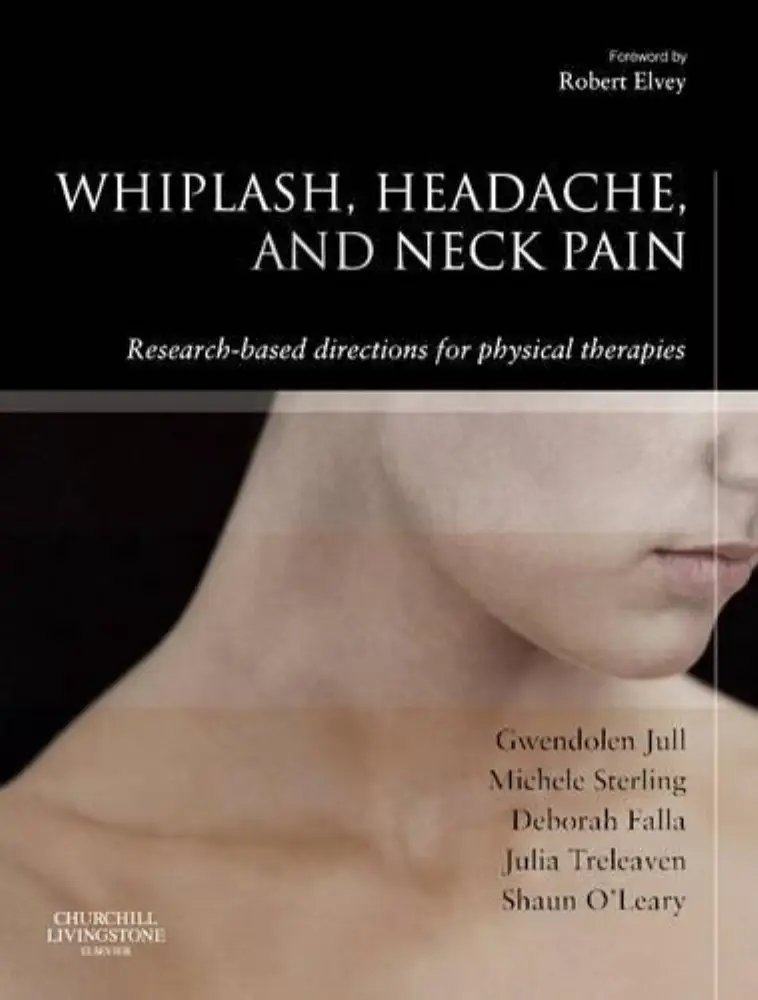



Whiplash, Headache, and Neck Pain: Research-Based Directions for Physical Therapies (1st Edition)
Whiplash, Headache, and Neck Pain: Research-Based Directions for Physical Therapies is a clinically focused and evidence-based text that addresses the assessment and management of cervical spine disorders, particularly those arising from whiplash injuries. The book is designed for physiotherapists, rehabilitation specialists, clinicians, and students, offering a comprehensive integration of scientific research with practical therapeutic approaches.
Overview and Clinical Context
Whiplash-associated disorders (WAD) commonly result from acceleration-deceleration injuries, such as motor vehicle accidents. These injuries can lead to a spectrum of symptoms including neck pain, stiffness, headaches, dizziness, and cognitive disturbances. The book emphasizes that these conditions are multifactorial, involving musculoskeletal, neurological, and psychosocial components.
Rather than relying solely on traditional treatment methods, the text promotes evidence-based practice, encouraging clinicians to use current research to guide therapeutic decisions. It challenges outdated concepts and introduces modern perspectives on pain mechanisms and rehabilitation.
Pathophysiology and Mechanisms of Injury
A key strength of the book lies in its exploration of the underlying mechanisms of whiplash and related disorders. It discusses:
- Biomechanics of cervical injury, including rapid flexion-extension forces affecting soft tissues.
- Muscle dysfunction and ligament strain, which contribute to pain and reduced mobility.
- Central sensitization, where the nervous system becomes hypersensitive, leading to chronic pain.
- Psychological factors, such as anxiety and fear-avoidance behaviors, that influence recovery.
This multidimensional understanding helps clinicians appreciate why some patients recover quickly while others develop persistent symptoms.
Assessment and Diagnosis
Accurate assessment is essential for effective treatment. The book outlines structured evaluation methods, including:
- Detailed patient history and symptom analysis
- Physical examination of cervical range of motion, muscle strength, and joint function
- Identification of red flags indicating serious pathology
- Use of validated clinical outcome measures to track progress
It also highlights the importance of distinguishing between different types of headaches, such as cervicogenic headache and tension-type headache, which often accompany neck disorders.
Evidence-Based Treatment Approaches
The core of the book focuses on therapeutic strategies grounded in research:
- Manual Therapy:
Techniques such as joint mobilization and manipulation are discussed, with evidence supporting their role in reducing pain and improving mobility. - Exercise Therapy:
Targeted exercises for strengthening deep cervical flexors, improving posture, and enhancing neuromuscular control are emphasized as central to recovery. - Pain Management:
The book addresses both acute and chronic pain, incorporating approaches like graded activity, education, and cognitive-behavioral strategies. - Multimodal Rehabilitation:
Combining manual therapy, exercise, and patient education is highlighted as the most effective approach for many patients. - Patient Education:
Educating patients about their condition, prognosis, and the importance of active participation in recovery is a key component of successful treatment.
Chronic Pain and Long-Term Management
The text pays particular attention to chronic whiplash and persistent neck pain. It explores:
- Mechanisms behind chronicity
- The role of central nervous system changes
- Strategies for managing long-term disability
- Importance of addressing psychosocial factors
Clinicians are encouraged to adopt a biopsychosocial model, considering not only physical impairments but also emotional and social influences on recovery.
Educational Value
This book stands out for its strong emphasis on research integration and clinical relevance. It includes:
- Summaries of key studies
- Practical treatment guidelines
- Case examples illustrating real-world application
- Clear explanations linking theory to practice
It is particularly useful for physiotherapy students and practitioners seeking to update their knowledge with current scientific evidence.
Conclusion
Whiplash, Headache, and Neck Pain: Research-Based Directions for Physical Therapies provides a comprehensive and modern approach to managing cervical spine disorders. By combining scientific research with practical clinical strategies, it equips healthcare professionals with the tools needed to deliver effective, patient-centered care. Its emphasis on evidence-based practice and multidisciplinary understanding makes it an essential resource in the field of physical therapy and rehabilitation.



Reviews
There are no reviews yet