
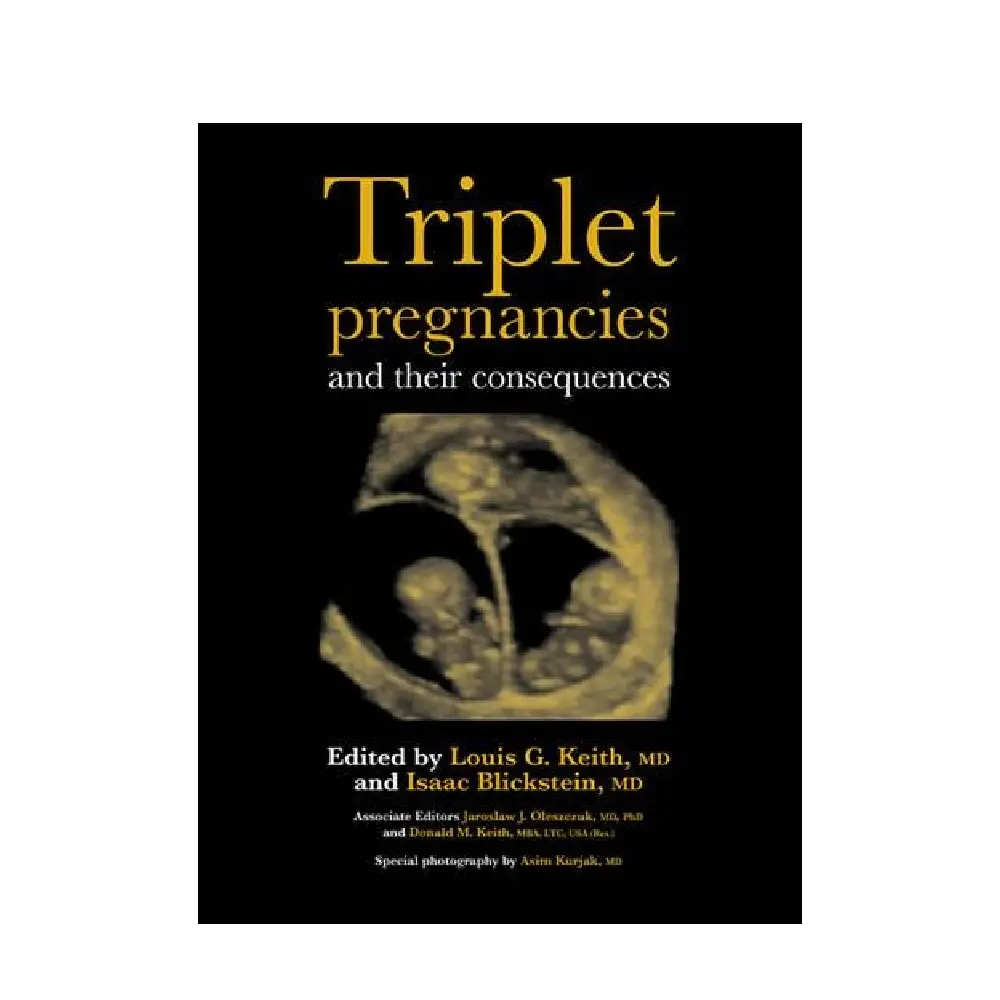


Triplet Pregnancies and Their Consequences
Triplet pregnancy refers to a multifetal gestation in which three fetuses develop simultaneously in the uterus. The incidence of triplet pregnancies has increased significantly over the past few decades, largely due to the widespread use of assisted reproductive technologies (ART) such as in vitro fertilization (IVF) and ovulation induction. Spontaneous triplet pregnancies are rare, occurring in approximately 1 in 6,000–8,000 births, whereas ART-associated pregnancies account for a substantial proportion of cases.
Triplet pregnancies may be classified according to zygosity and chorionicity. They can be trizygotic (three separate ova fertilized by three sperm), dizygotic with one monozygotic twin pair, or monozygotic triplets arising from a single fertilized ovum that splits twice. Chorionicity—whether the fetuses share a placenta—has important clinical implications. Trichorionic triplets (each fetus with its own placenta) carry fewer complications compared to monochorionic or dichorionic configurations, where placental sharing increases risks such as twin-to-twin transfusion syndrome (TTTS) and selective intrauterine growth restriction (sIUGR).
Maternal Consequences
Triplet pregnancies are associated with significantly higher maternal morbidity compared to singleton or twin gestations. The physiological demands are markedly increased, predisposing women to anemia, hyperemesis gravidarum, gestational diabetes mellitus (GDM), and hypertensive disorders including preeclampsia. The risk of preterm labor is substantially elevated due to uterine overdistension. Polyhydramnios is also more common, particularly in monochorionic pregnancies.
Women carrying triplets are more likely to require hospitalization for monitoring and may need antenatal corticosteroids for fetal lung maturity in anticipation of preterm birth. Operative delivery, typically via cesarean section, is the most common mode of delivery due to malpresentation and obstetric complications. Postpartum hemorrhage (PPH) is another significant risk owing to uterine atony from overdistension. Psychological stress, physical discomfort, and prolonged recovery also contribute to maternal burden.
Fetal and Neonatal Consequences
Prematurity is the most critical consequence of triplet pregnancy. The average gestational age at delivery for triplets is around 32–34 weeks. Very preterm birth (<32 weeks) is common and contributes to increased neonatal morbidity and mortality. Complications of prematurity include respiratory distress syndrome (RDS), intraventricular hemorrhage (IVH), necrotizing enterocolitis (NEC), and sepsis.
Low birth weight is nearly universal in triplet gestations. Many triplets weigh less than 1,500–2,000 grams at birth. Growth restriction may affect one or more fetuses, particularly in pregnancies with shared placental circulation. Monochorionic triplets may experience TTTS, a condition characterized by unbalanced blood flow between fetuses via placental vascular anastomoses, leading to donor-recipient hemodynamic imbalance.
Congenital anomalies are slightly more frequent in multifetal pregnancies compared to singleton pregnancies, especially in monozygotic gestations. Perinatal mortality rates are significantly higher than in singleton or twin pregnancies, primarily due to prematurity and its complications.
Long-Term Outcomes
Long-term outcomes for triplets depend largely on gestational age at birth and the presence of neonatal complications. Survivors of extreme prematurity may experience neurodevelopmental impairments, including cerebral palsy, cognitive delay, visual and hearing deficits, and behavioral disorders. However, with advances in neonatal intensive care, many triplets achieve normal developmental milestones, particularly when born after 32 weeks.
Families of triplets may face substantial financial, emotional, and logistical challenges. The cost of neonatal intensive care, long-term follow-up, and daily care needs can be considerable. Parental stress and maternal postpartum depression are more common in higher-order multiple pregnancies.
Management Considerations
Early diagnosis through first-trimester ultrasonography is essential to determine chorionicity and plan management. Regular antenatal visits, serial growth scans, and cervical length monitoring are recommended. Nutritional counseling is important due to increased caloric and iron requirements.
Preventive strategies to reduce the incidence of triplet pregnancies primarily focus on ART protocols, including single embryo transfer policies. In selected high-risk cases, multifetal pregnancy reduction (MFPR) may be considered to decrease the number of fetuses and improve perinatal outcomes, though this raises ethical, psychological, and cultural considerations.
Delivery planning should occur in tertiary care centers with neonatal intensive care facilities. Timing of delivery is individualized but often planned around 34–35 weeks in uncomplicated trichorionic triplet pregnancies.
Conclusion
Triplet pregnancies represent a high-risk obstetric condition with significant maternal and fetal consequences. The predominant challenges include preterm birth, low birth weight, hypertensive disorders, and increased operative delivery rates. Advances in obstetric surveillance and neonatal care have improved outcomes; however, prevention of higher-order multiple gestations through responsible use of reproductive technologies remains a key public health priority. Comprehensive antenatal care, multidisciplinary management, and psychosocial support are essential to optimize both short-term and long-term outcomes for mothers and their triplets.








Reviews
There are no reviews yet