
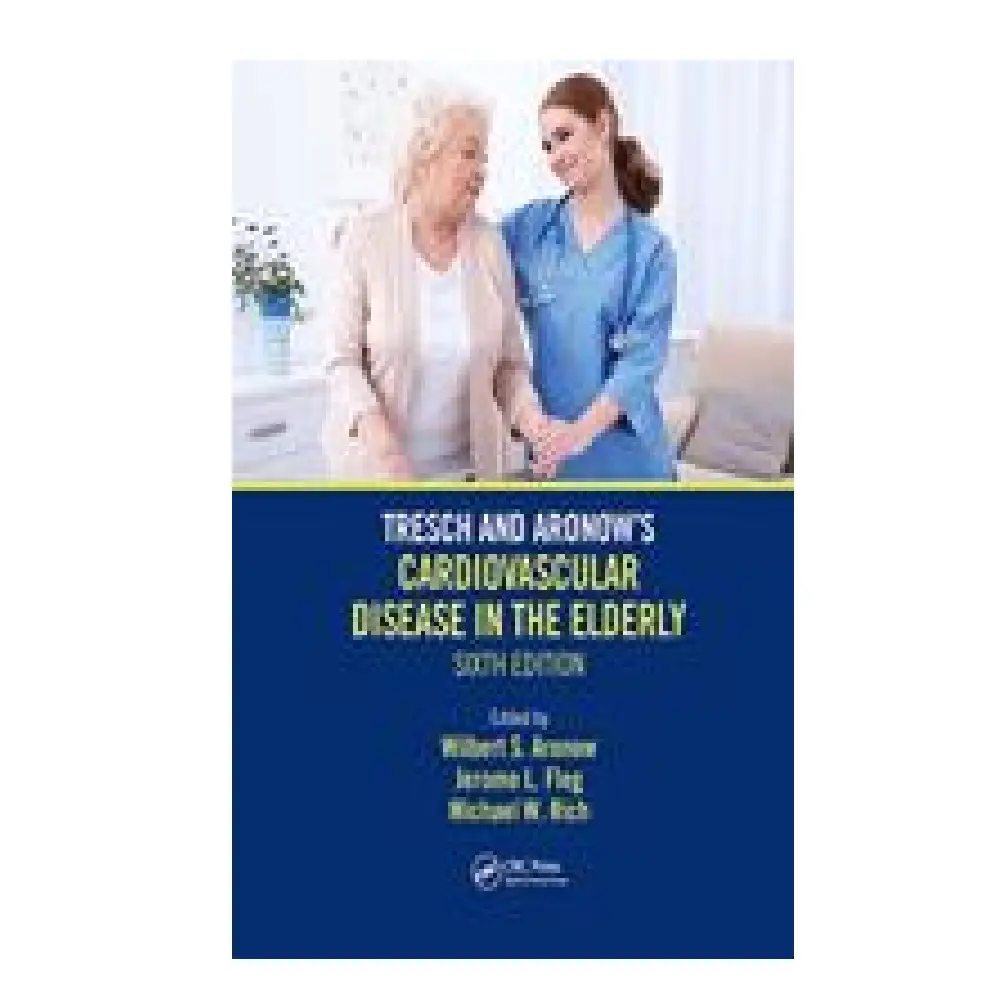
Tresch and Aronow’s Cardiovascular Disease in the Elderly
Tresch and Aronow’s Cardiovascular Disease in the Elderly is a comprehensive and authoritative reference dedicated to the diagnosis, pathophysiology, and management of cardiovascular diseases in older adults. As life expectancy increases globally, cardiovascular disease (CVD) remains the leading cause of morbidity and mortality in individuals over 65 years of age. This textbook addresses the unique challenges of managing heart disease in elderly populations, integrating geriatric principles with modern cardiology.
Aging and the Cardiovascular System
One of the core strengths of the book is its detailed exploration of how aging affects cardiovascular structure and function. Normal aging is associated with arterial stiffening, endothelial dysfunction, increased systolic blood pressure, reduced diastolic relaxation, and alterations in autonomic regulation. These changes contribute to a higher prevalence of hypertension, coronary artery disease, heart failure, arrhythmias, and valvular disorders in older adults.
The text carefully distinguishes between physiological aging and pathological processes, helping clinicians avoid both under-treatment and overtreatment. It emphasizes that chronological age alone should not dictate therapeutic decisions; rather, functional status, frailty, comorbidities, and patient preferences must be considered.
Hypertension in the Elderly
Hypertension is one of the most common cardiovascular conditions in older individuals. The book provides an in-depth review of isolated systolic hypertension, which is particularly prevalent due to arterial stiffness. It discusses evidence-based treatment strategies, optimal blood pressure targets, and medication selection tailored to elderly patients. Attention is given to the risks of orthostatic hypotension, falls, electrolyte imbalances, and renal dysfunction.
The authors emphasize individualized therapy, recognizing that aggressive blood pressure lowering may not be appropriate in frail patients or those with multiple comorbidities.
Coronary Artery Disease and Acute Coronary Syndromes
The presentation of ischemic heart disease in older adults often differs from younger populations. Symptoms may be atypical, including dyspnea, fatigue, or confusion rather than classic chest pain. The book explores diagnostic challenges and highlights the importance of timely evaluation.
Management strategies for stable angina and acute coronary syndromes (ACS) are discussed in detail, including pharmacologic therapy, percutaneous coronary intervention (PCI), and coronary artery bypass grafting (CABG). The authors carefully analyze the risks and benefits of invasive procedures in elderly patients, taking into account frailty, bleeding risk, and quality of life considerations.
Heart Failure
Heart failure is particularly prevalent in older populations, especially heart failure with preserved ejection fraction (HFpEF). The book explains the pathophysiology of diastolic dysfunction, ventricular stiffening, and comorbid conditions such as hypertension, diabetes, and atrial fibrillation that contribute to HFpEF.
Treatment strategies include diuretics for symptom control, neurohormonal modulation, lifestyle interventions, and multidisciplinary management approaches. The importance of palliative care and advanced care planning is also discussed, recognizing the chronic and progressive nature of heart failure in the elderly.
Arrhythmias and Conduction Disorders
Atrial fibrillation (AF) is the most common arrhythmia in older adults and a major risk factor for stroke. The text provides detailed guidance on rate versus rhythm control strategies, anticoagulation management, and stroke prevention. Particular emphasis is placed on balancing thromboembolic risk with bleeding risk, especially in patients with renal impairment or fall risk.
Bradyarrhythmias and conduction system disease are also common due to age-related fibrosis of the conduction pathways. The book discusses indications for pacemaker implantation and device therapy in elderly patients.
Valvular Heart Disease
Degenerative valvular disease, particularly aortic stenosis and mitral regurgitation, increases with age. The textbook examines both surgical and transcatheter interventions, including transcatheter aortic valve replacement (TAVR), which has transformed the management of severe aortic stenosis in elderly patients at high surgical risk.
Decision-making frameworks incorporate life expectancy, comorbid conditions, and patient goals.
Peripheral Vascular Disease and Other Conditions
The book also covers peripheral arterial disease, cerebrovascular disease, and venous thromboembolism, conditions that frequently coexist in older adults. Preventive cardiology, lipid management, and lifestyle modification strategies are presented with age-specific considerations.
Frailty, Comorbidities, and Ethical Considerations
A distinguishing feature of this text is its emphasis on frailty assessment, polypharmacy, cognitive impairment, and shared decision-making. The authors advocate for a holistic approach that integrates cardiovascular treatment with overall geriatric care.
Ethical considerations—including end-of-life care, do-not-resuscitate decisions, and patient autonomy—are addressed with sensitivity and clinical practicality.
Conclusion
Tresch and Aronow’s Cardiovascular Disease in the Elderly is an essential resource for cardiologists, internists, geriatricians, fellows, and healthcare professionals managing older patients with cardiovascular disease. By combining evidence-based cardiology with geriatric principles, the book provides a nuanced, patient-centered framework for optimizing care in an aging population. It serves as both a scholarly reference and a practical guide, reflecting the complexity and individuality of cardiovascular medicine in the elderly.


Reviews
There are no reviews yet