


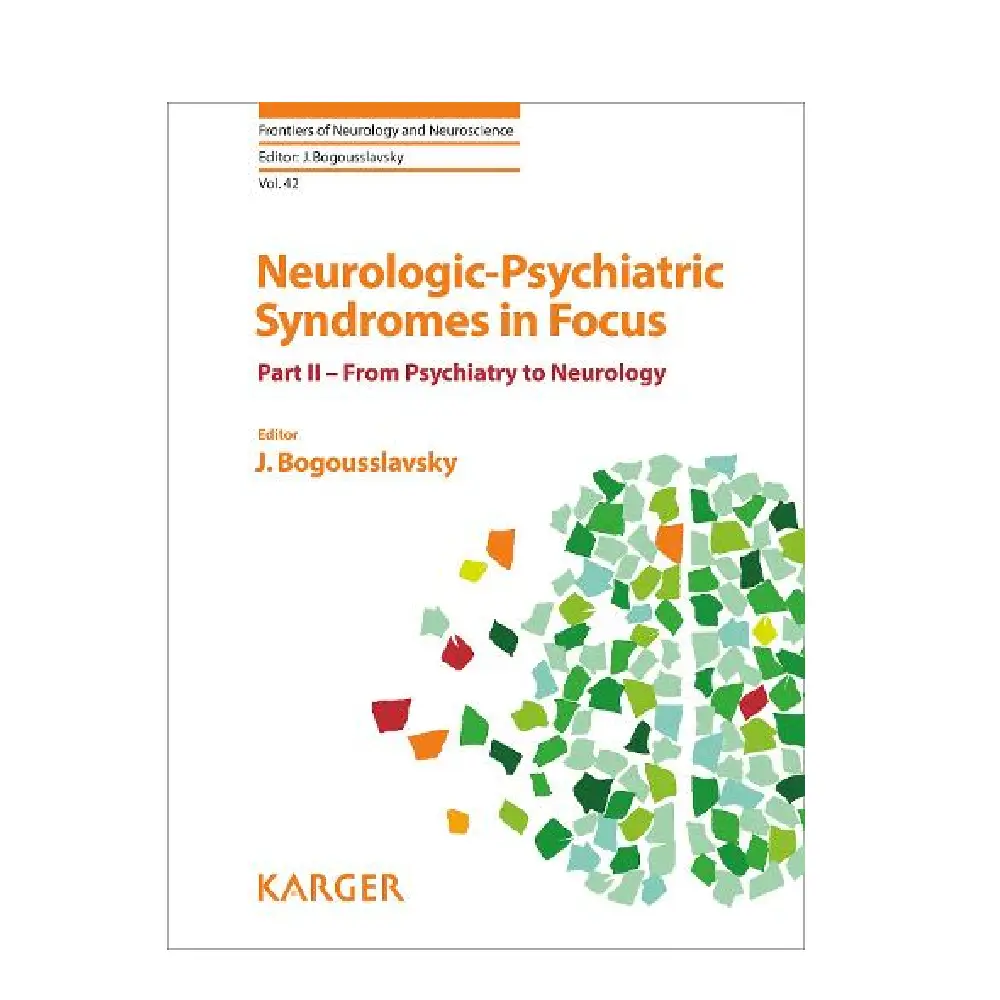
The Right Therapy for Neurological Disorders
Neurological disorders encompass a wide spectrum of diseases affecting the brain, spinal cord, peripheral nerves, and neuromuscular junction. These conditions range from acute, life-threatening events such as stroke and status epilepticus to chronic, progressive diseases including Parkinson’s disease, multiple sclerosis, epilepsy, and neurodegenerative dementias. Selecting the right therapy for neurological disorders is a complex process that requires accurate diagnosis, understanding of disease mechanisms, and individualized patient-centered care. Advances in neuroscience and therapeutics have expanded treatment options, making precision in therapy selection more important than ever.
Principles of Therapeutic Decision-Making
The cornerstone of effective neurological therapy is accurate diagnosis. Many neurological disorders share overlapping symptoms, such as weakness, sensory loss, or cognitive impairment, yet require vastly different treatments. Neuroimaging, electrophysiological studies, laboratory testing, and genetic analysis are essential tools for identifying the underlying cause.
Once a diagnosis is established, therapy selection depends on disease stage, severity, comorbidities, patient age, and lifestyle considerations. Neurological care increasingly emphasizes individualized treatment, balancing efficacy with safety and quality of life.
Pharmacological Therapies
Pharmacotherapy remains the primary treatment modality for many neurological disorders. In epilepsy, antiepileptic drugs are selected based on seizure type, patient age, and comorbid conditions. The goal is seizure control with minimal side effects. In Parkinson’s disease, dopaminergic therapies improve motor symptoms, while adjunctive medications address fluctuations and non-motor features.
Multiple sclerosis management has evolved with the introduction of disease-modifying therapies that reduce relapse rates and delay disability progression. Careful selection of these agents requires assessment of disease activity, risk profile, and patient preference.
In acute neurological conditions, timely pharmacological intervention is critical. Thrombolytic therapy in ischemic stroke and immunotherapy in autoimmune encephalitis exemplify how early, targeted treatment can dramatically improve outcomes.
Surgical and Interventional Approaches
Surgical interventions play a vital role in selected neurological disorders. Epilepsy surgery may offer cure or significant improvement in patients with drug-resistant focal epilepsy. Deep brain stimulation has transformed the management of movement disorders such as Parkinson’s disease and dystonia, providing sustained symptom relief.
In cerebrovascular disease, endovascular techniques such as mechanical thrombectomy have revolutionized acute stroke care. Similarly, neurosurgical approaches are essential for brain tumors, hydrocephalus, and certain spinal disorders.
Rehabilitation and Supportive Therapies
Rehabilitation is a fundamental component of neurological care. Physical therapy, occupational therapy, and speech and language therapy help patients regain function, adapt to disability, and improve independence. Early and intensive rehabilitation enhances neuroplasticity and functional recovery.
Supportive therapies address non-motor symptoms, including pain, fatigue, mood disorders, and cognitive impairment. Psychological support, social services, and caregiver education are integral to comprehensive care.
Emerging and Personalized Therapies
Rapid advances in neuroscience are driving the development of precision medicine in neurology. Genetic testing informs diagnosis and guides therapy in inherited neurological disorders. Biomarkers and advanced imaging techniques help predict treatment response and disease progression.
Novel therapies such as gene therapy, monoclonal antibodies, and stem cell–based approaches are expanding treatment options for previously untreatable conditions. Personalized therapy selection aims to maximize benefit while minimizing risk.
Ethical and Practical Considerations
Choosing the right therapy also involves ethical considerations, particularly in progressive or life-limiting disorders. Shared decision-making, informed consent, and respect for patient values are essential. Clinicians must balance aggressive treatment with quality of life and long-term goals of care.
Conclusion
The right therapy for neurological disorders is not a single solution but a tailored strategy that integrates accurate diagnosis, evidence-based treatment, and patient-centered care. As therapeutic options continue to expand, the challenge and opportunity lie in selecting the most appropriate intervention for each individual, ultimately improving outcomes and quality of life in neurological disease.




Reviews
There are no reviews yet