
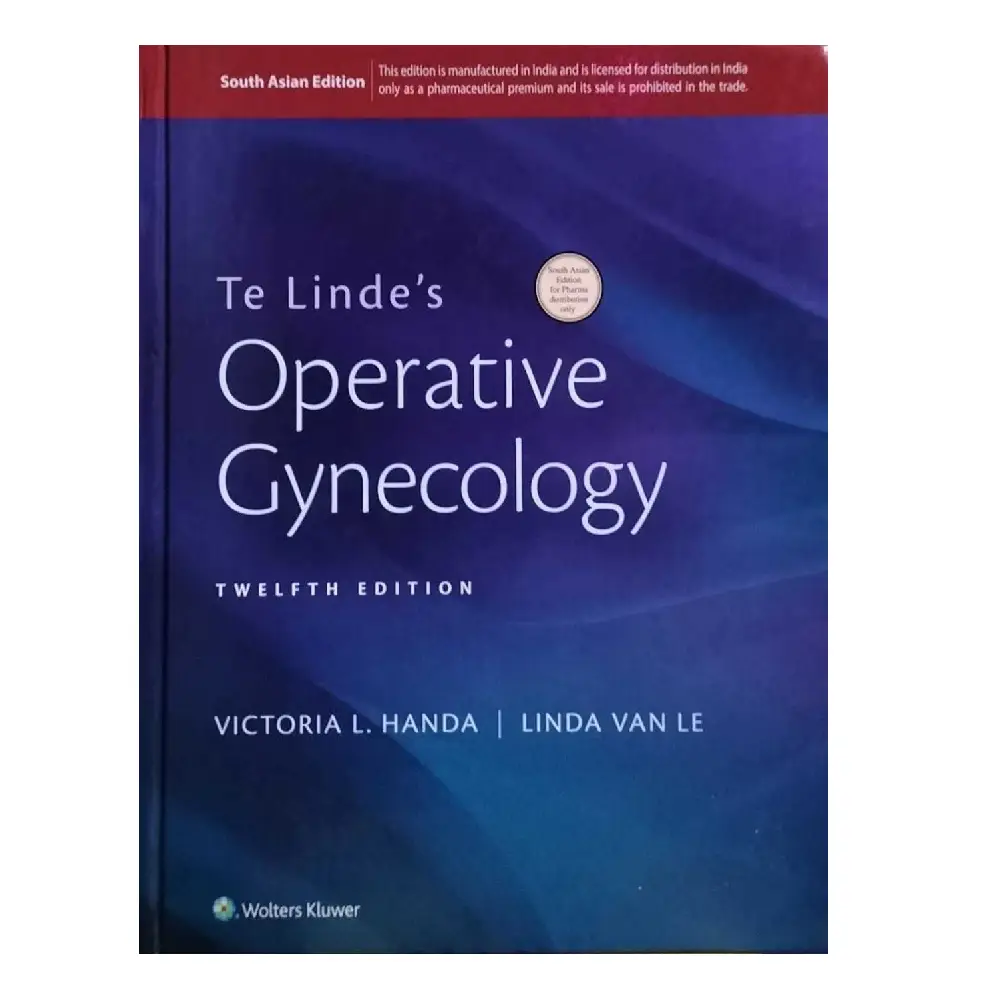
Te Linde’s Operative Gynecology
Te Linde’s Operative Gynecology is one of the most authoritative and widely respected textbooks in the field of gynecologic surgery. Now in its twelfth edition, this comprehensive reference work continues to serve as a cornerstone resource for surgeons, residents, and advanced medical students specializing in operative gynecology. The book integrates classical surgical principles with modern minimally invasive techniques, reflecting the rapid evolution of gynecological surgical practice.
The primary objective of this textbook is to provide detailed, evidence-based guidance on gynecologic surgical procedures. It covers a broad spectrum of operative interventions ranging from basic diagnostic procedures to highly complex reconstructive and oncologic surgeries. The twelfth edition emphasizes patient safety, surgical precision, and outcome-oriented management. The content is organized systematically to help readers progress from fundamental surgical concepts to advanced operative strategies.
A major strength of the book is its extensive coverage of female pelvic anatomy. Understanding pelvic anatomy is essential for performing safe gynecologic surgery. The textbook provides high-quality illustrations and detailed descriptions of anatomical landmarks, vascular structures, and nerve pathways. This anatomical foundation helps surgeons minimize intraoperative injury and improve surgical accuracy during pelvic dissection and reconstruction.
The book also discusses modern surgical technologies used in gynecology. Minimally invasive surgery, including laparoscopy and hysteroscopy, is extensively covered. The text explains the indications, contraindications, and technical steps involved in these procedures. Special attention is given to instrumentation, energy devices, and visualization systems used in contemporary gynecologic surgery. These sections are particularly useful for surgeons transitioning from open surgery to minimally invasive approaches.
Management of benign gynecological conditions is an important component of this edition. The textbook provides surgical approaches for conditions such as uterine fibroids, ovarian cysts, pelvic organ prolapse, and endometriosis. Each disease entity is discussed with respect to clinical presentation, diagnostic evaluation, and operative treatment options. The authors emphasize individualized patient management based on age, fertility desires, and disease severity.
Oncologic gynecology is another critical area covered in the book. Surgical management of gynecologic malignancies requires specialized knowledge and technical expertise. The textbook outlines operative techniques for cancers of the cervix, uterus, ovary, and vulva. It also discusses staging procedures, lymph node assessment, and principles of radical surgery. Multidisciplinary treatment planning and postoperative care are highlighted as essential components of cancer management.
Reproductive surgery and fertility-preserving procedures are given significant importance in the twelfth edition. With increasing awareness of fertility preservation, the book describes surgical options that maintain reproductive potential while treating pathological conditions. This includes conservative tumor surgery and reconstructive pelvic procedures.
The textbook also addresses complications associated with gynecologic surgery. Prevention, early detection, and management of surgical complications such as hemorrhage, infection, organ injury, and thromboembolic events are thoroughly discussed. The authors provide practical clinical guidelines that help surgeons respond effectively to intraoperative and postoperative complications.
Another notable feature of Te Linde’s Operative Gynecology is its focus on evidence-based surgical practice. The book incorporates current research findings, clinical trials, and updated surgical recommendations. This ensures that readers are learning techniques that are aligned with modern medical standards.
The twelfth edition is also designed to support postgraduate medical education and surgical training programs. It is widely used by residents preparing for specialist examinations and by practicing gynecologists seeking to update their surgical knowledge. The combination of detailed surgical descriptions, clinical insights, and anatomical illustrations makes the textbook highly valuable for academic and clinical use.
In summary, Te Linde’s Operative Gynecology remains a gold standard reference in gynecologic surgery. Its comprehensive coverage of operative techniques, anatomy, disease management, and modern surgical advances makes it an indispensable resource for healthcare professionals involved in gynecological operative practice.



Reviews
There are no reviews yet