


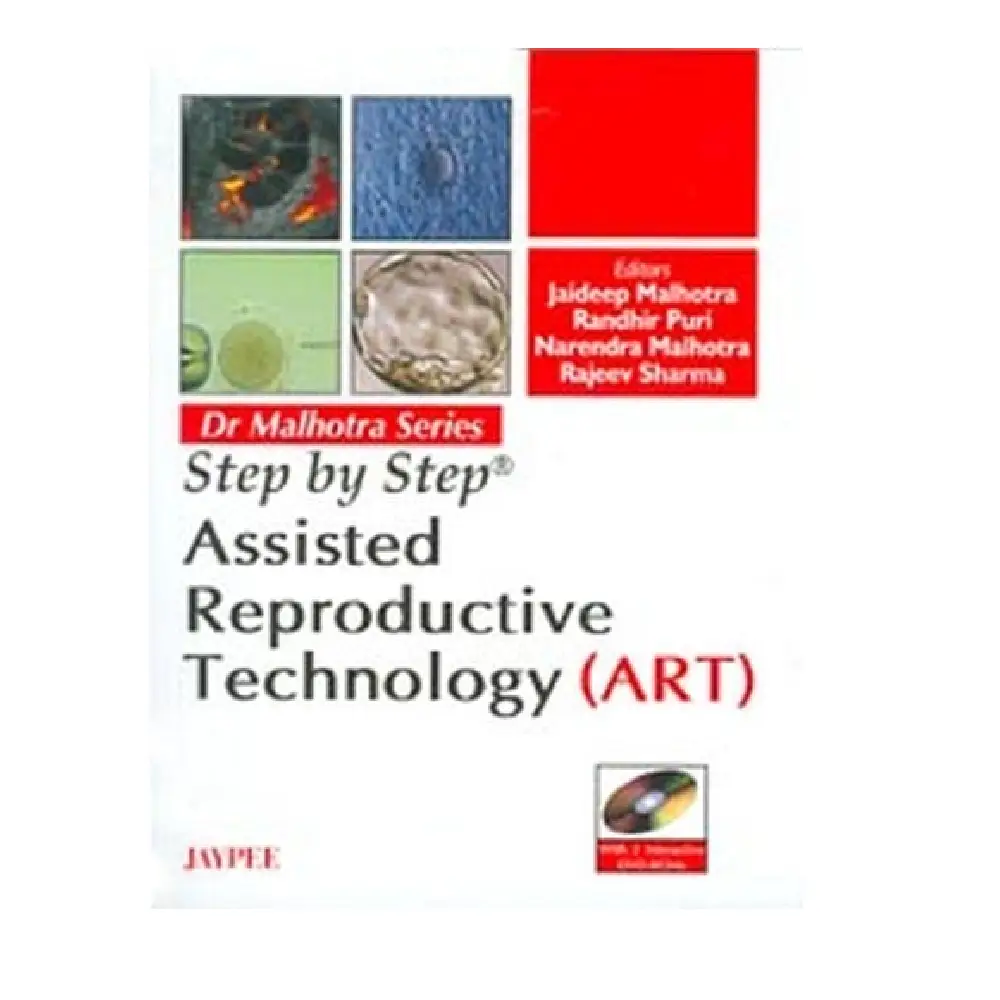
Step by Step Infertility Practice
Infertility is defined as the inability to achieve pregnancy after 12 months of regular, unprotected sexual intercourse, or after 6 months in women over 35 years of age. It affects a significant proportion of couples worldwide and carries profound emotional, social, and psychological implications. Modern infertility practice requires a systematic, evidence-based, and compassionate approach that addresses both medical and psychosocial aspects. A step-by-step framework helps clinicians deliver comprehensive, efficient, and patient-centered fertility care.
Step 1: Initial Consultation and Counseling
The infertility evaluation begins with a joint consultation involving both partners whenever possible. Establishing a supportive environment is essential, as couples often experience anxiety, guilt, and distress. The clinician should explain the definition of infertility, outline the evaluation process, and discuss realistic expectations regarding outcomes and timelines.
Early counseling should also address lifestyle factors such as smoking, alcohol use, obesity, excessive exercise, occupational exposures, and stress, all of which can adversely affect fertility.
Step 2: Detailed History Taking
A thorough history is fundamental. In women, menstrual history provides insight into ovulatory function, cycle regularity, and possible endocrine disorders. Obstetric history, previous fertility treatments, pelvic infections, surgeries, and symptoms of endometriosis are explored.
In men, history focuses on pubertal development, sexual function, previous paternity, infections, trauma, surgeries, systemic illnesses, and exposure to toxins. Medication use and lifestyle factors are carefully reviewed in both partners.
Step 3: Physical Examination
Physical examination complements history taking. In women, assessment includes body mass index, signs of hyperandrogenism, thyroid abnormalities, and pelvic examination to evaluate uterine size, mobility, and adnexal tenderness or masses.
In men, examination includes evaluation of secondary sexual characteristics, testicular size and consistency, presence of varicocele, and signs of hormonal deficiency. Findings may guide further investigations.
Step 4: Basic Investigations
Initial investigations are aimed at identifying common causes of infertility.
For women, key tests include:
-
Assessment of ovulation (menstrual history, mid-luteal progesterone)
-
Ovarian reserve testing (AMH, antral follicle count)
-
Tubal patency assessment (hysterosalpingography or sonosalpingography)
-
Pelvic ultrasound to assess uterine and ovarian morphology
For men, semen analysis is the cornerstone investigation and should be performed according to standard guidelines.
Step 5: Etiological Diagnosis
Based on investigations, infertility is classified into ovulatory disorders, tubal-peritoneal disease, uterine factors, male factor infertility, combined causes, or unexplained infertility. Accurate diagnosis allows targeted therapy and avoids unnecessary interventions.
Step 6: Ovulation Induction and Medical Management
Ovulatory disorders are commonly managed with ovulation induction agents such as letrozole or clomiphene citrate. Treatment is tailored based on diagnosis, age, and ovarian reserve. Monitoring with ultrasound helps optimize timing of intercourse and reduces the risk of multiple pregnancy.
Endocrine disorders such as thyroid dysfunction or hyperprolactinemia are corrected as part of medical management.
Step 7: Assisted Reproductive Techniques (ART)
When first-line treatments fail or are inappropriate, assisted reproductive techniques are considered. Options include intrauterine insemination (IUI), in vitro fertilization (IVF), and intracytoplasmic sperm injection (ICSI). Selection depends on etiology, duration of infertility, female age, and previous treatment outcomes.
Comprehensive counseling regarding success rates, risks, costs, and emotional impact is essential before initiating ART.
Step 8: Psychological Support and Ethical Considerations
Infertility treatment can be emotionally taxing. Psychological support and counseling should be integrated into infertility practice. Ethical issues such as donor gametes, fertility preservation, and access to treatment require sensitive and transparent discussion.
Step 9: Follow-Up and Long-Term Care
Regular follow-up allows assessment of treatment response, early detection of complications, and adjustment of management plans. Even after successful conception, high-risk pregnancies may require closer monitoring.
Conclusion
Step-by-step infertility practice emphasizes comprehensive evaluation, accurate diagnosis, individualized treatment, and compassionate care. By integrating clinical expertise with emotional support and ethical practice, clinicians can help couples navigate infertility and achieve their reproductive goals in a safe and supportive manner.






Reviews
There are no reviews yet