
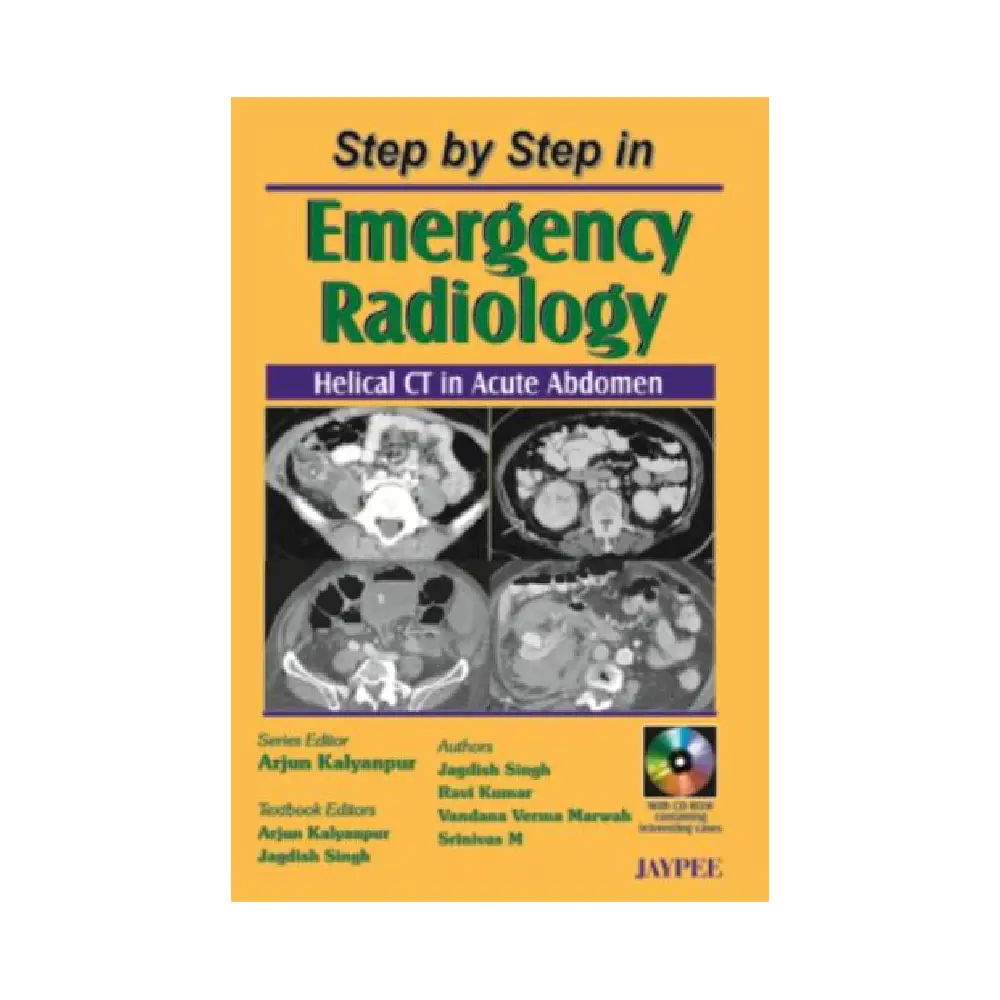
Step by Step in Emergency Radiology
Emergency radiology is a specialized branch of diagnostic imaging focused on the rapid and accurate interpretation of imaging studies in acute clinical situations. In the emergency department (ED), time is of the essence—radiologists must quickly identify life-threatening conditions, guide urgent clinical decisions, and help direct immediate patient management. Step by Step in Emergency Radiology reflects a practical, structured approach to imaging that enhances diagnostic confidence, reduces errors, and supports optimal patient care in high-stress environments.
The Role of Emergency Radiology
Emergency radiology serves as the bridge between clinical urgency and imaging insight. Patients presenting with trauma, acute abdominal pain, stroke symptoms, respiratory distress, or unexplained neurological changes frequently undergo imaging studies. Radiologists in this setting must be adept at prioritizing findings that require immediate attention while also recognizing subtler abnormalities that influence subsequent care.
In emergency radiology, speed and accuracy are equally important. Rapid diagnosis can reduce morbidity and mortality—such as identifying aortic dissection, intracranial hemorrhage, or tension pneumothorax before a patient deteriorates further.
Systematic Interpretation: A Stepwise Approach
A structured, stepwise interpretation framework is essential in emergency radiology. This approach minimizes the risk of missed diagnoses, especially in complex or subtle presentations.
-
Clinical Correlation:
Begin with a clear understanding of the clinical presentation, mechanism of injury (if relevant), and specific questions from the treating team. Tailoring the imaging interpretation to the clinical scenario improves relevance and impact. -
Imaging Modality Selection:
Choosing the appropriate imaging modality is the first critical step. Options include:-
X-ray: Quick, widely available, and useful for bone trauma, chest pathology, and foreign bodies.
-
Ultrasound: Ideal for evaluating trauma (FAST exam), abdominal pain, and vascularity without radiation.
-
Computed Tomography (CT): Gold standard for head trauma, stroke assessment, chest and abdominal emergencies.
-
Magnetic Resonance Imaging (MRI): Superior for soft tissue detail, spinal cord, and certain neurological emergencies.
-
-
Systematic Review:
For CT and MRI, interpret images in a consistent sequence—start with overall anatomy, assess symmetry, then examine organs and structures in a set order (e.g., for abdominal CT: liver → spleen → pancreas → kidneys → bowel → vasculature). -
Identify Red Flags:
Prioritize life-threatening findings such as intracranial hemorrhage, tension pneumothorax, large vessel occlusion, ruptured aorta, and bowel perforation. These should be communicated immediately to the clinical team. -
Secondary Findings:
After ruling out emergencies, assess for secondary or subtle findings that guide management, such as small fractures, early ischemia, or organ contusions.
Common Emergency Imaging Scenarios
Head Trauma and Stroke:
Non-contrast CT is the initial modality of choice. It quickly detects hemorrhage, skull fractures, and mass effect. In suspected ischemic stroke, CT angiography and perfusion studies help identify large vessel occlusions and salvageable brain tissue.
Trauma Protocols:
Whole-body CT scans (“trauma CT” or “pan-scan”) rapidly assess for injuries to the head, chest, abdomen, pelvis, and spine. FAST ultrasound complements CT by identifying free fluid in unstable patients.
Acute Abdomen:
CT with contrast provides excellent visualization of appendicitis, bowel obstruction, diverticulitis, and intra-abdominal abscesses. Ultrasound is often the first step for gallbladder and gynecologic emergencies.
Chest Emergencies:
Chest X-ray is initial; CT pulmonary angiography remains the gold standard for pulmonary embolism. CT also evaluates aortic dissection, pneumothorax, and mediastinal pathology.
Pitfalls and Avoiding Missed Diagnoses
Emergency radiology carries unique challenges. Time pressure, poor image quality, and incomplete clinical information can contribute to missed findings. A structured checklist approach helps ensure that key areas aren’t overlooked. Regular correlation with surgical, laboratory, and clinical outcomes improves radiologists’ pattern recognition over time.
Communication and Teamwork
Effective communication is paramount. Radiologists must provide clear, concise, and accurate reports, highlighting critical findings that require immediate clinical action. Direct phone communication or alerts for life-threatening diagnoses fosters teamwork within the emergency setting and improves patient outcomes.
Technological Advances
Recent advances such as artificial intelligence (AI) and computer-aided detection (CAD) assist radiologists by flagging abnormal regions and prioritizing critical cases. These tools help reduce turnaround times and support decision-making under pressure.
Conclusion
Step by Step in Emergency Radiology reflects a disciplined, structured approach to imaging that is essential in the rapid-paced environment of emergency medicine. By combining systematic interpretation, appropriate modality selection, attention to red-flag findings, and strong communication skills, radiologists play a pivotal role in diagnosing acute conditions and guiding lifesaving interventions. Mastery of emergency radiology enhances diagnostic precision, supports efficient patient care, and ultimately saves lives.


Reviews
There are no reviews yet