
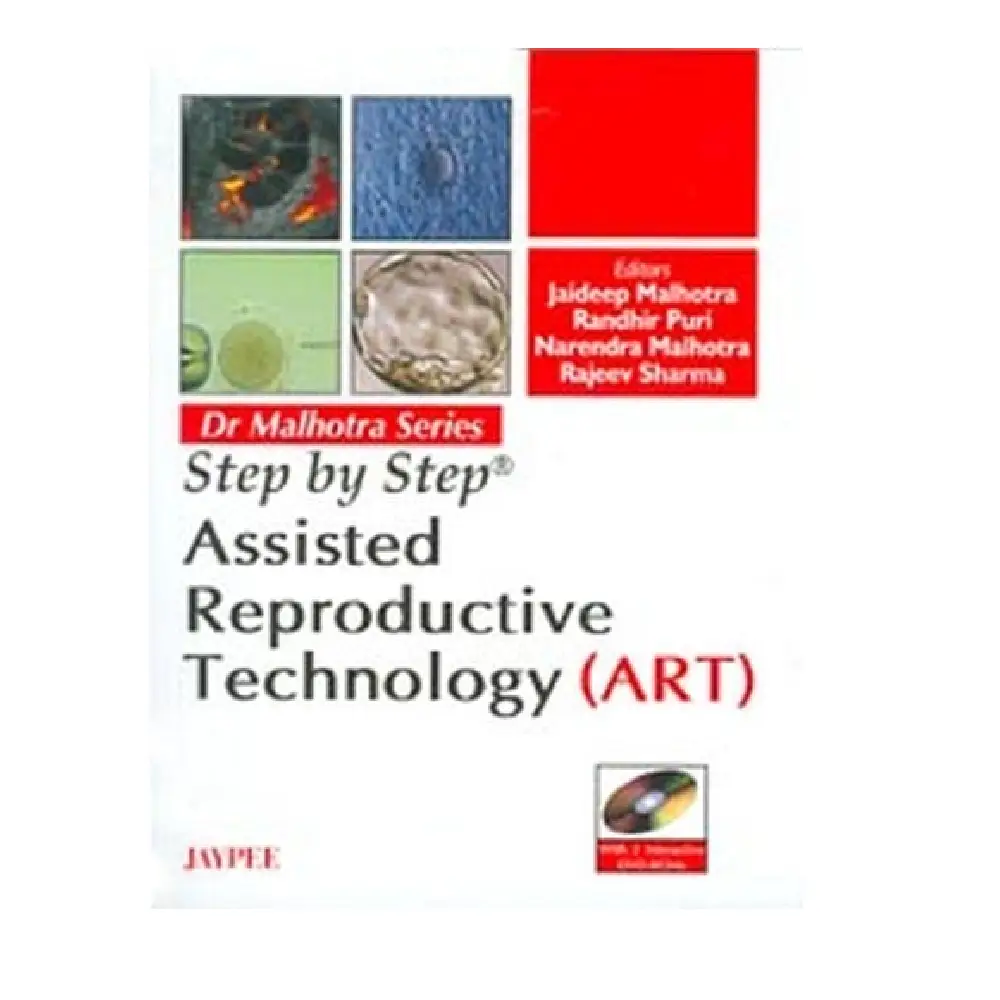

Step by Step Assisted Reproductive Technology
Assisted Reproductive Technology (ART) refers to a group of advanced medical procedures used to achieve pregnancy in couples with infertility when conventional treatments are unsuccessful. ART has revolutionized reproductive medicine and offers hope to millions of couples worldwide. Common ART procedures include in vitro fertilization (IVF), intracytoplasmic sperm injection (ICSI), frozen embryo transfer (FET), and donor-based treatments. A step-by-step approach ensures systematic evaluation, safe application of technology, ethical practice, and optimal outcomes.
Step 1: Initial Evaluation and Counseling
ART begins with comprehensive evaluation and counseling of both partners. This includes confirmation of the indication for ART, such as tubal factor infertility, severe male factor infertility, advanced maternal age, endometriosis, unexplained infertility, or failure of simpler treatments.
Counseling is essential to explain the procedures, success rates, costs, risks, and emotional implications. Informed consent must be obtained, and realistic expectations should be set regarding outcomes and the possibility of multiple cycles.
Step 2: Baseline Assessment and Investigations
A detailed medical, surgical, reproductive, and lifestyle history is obtained from both partners. Baseline investigations are performed to optimize treatment planning.
For women, these include:
-
Ovarian reserve testing (AMH, antral follicle count)
-
Baseline pelvic ultrasound
-
Hormonal profile (FSH, LH, TSH, prolactin)
-
Screening for infections
For men, semen analysis is essential, along with hormonal evaluation or genetic testing when indicated. These assessments help individualize stimulation protocols and ART strategies.
Step 3: Controlled Ovarian Stimulation (COS)
Controlled ovarian stimulation is a critical step aimed at producing multiple mature follicles in one cycle. This is achieved using gonadotropins, often combined with GnRH agonists or antagonists to prevent premature ovulation.
The stimulation protocol is selected based on age, ovarian reserve, BMI, and previous response. Regular monitoring with transvaginal ultrasound and serum estradiol levels ensures optimal follicular development while minimizing risks such as ovarian hyperstimulation syndrome (OHSS).
Step 4: Triggering Final Oocyte Maturation
Once adequate follicular growth is achieved, final oocyte maturation is induced using human chorionic gonadotropin (hCG) or a GnRH agonist trigger. The timing of this step is crucial, as oocyte retrieval is scheduled approximately 34–36 hours later.
The choice of trigger depends on patient risk factors, particularly the risk of OHSS.
Step 5: Oocyte Retrieval and Sperm Preparation
Oocyte retrieval is a minimally invasive procedure performed under ultrasound guidance. Mature oocytes are aspirated from ovarian follicles and transferred to the embryology laboratory.
Simultaneously, sperm is prepared using specialized techniques to select motile and morphologically normal sperm. In cases of severe male infertility, sperm may be retrieved surgically from the testes or epididymis.
Step 6: Fertilization and Embryo Culture
Fertilization is achieved either by conventional IVF or by ICSI, where a single sperm is injected directly into the oocyte. Embryos are then cultured in controlled laboratory conditions.
Embryo development is monitored, and embryos are graded based on morphology and developmental milestones. Advances in culture systems allow embryos to be grown to the blastocyst stage, improving implantation rates.
Step 7: Embryo Transfer or Cryopreservation
Embryo transfer involves placing selected embryos into the uterine cavity using a soft catheter under ultrasound guidance. The number of embryos transferred is carefully chosen to balance success rates and the risk of multiple pregnancy.
Excess good-quality embryos may be cryopreserved for future use. Frozen embryo transfer (FET) cycles are increasingly preferred due to improved safety and flexibility.
Step 8: Luteal Phase Support and Pregnancy Testing
After embryo transfer, luteal phase support is provided using progesterone to enhance implantation. Approximately two weeks later, pregnancy is confirmed with a serum beta-hCG test.
Early ultrasound is performed to confirm intrauterine pregnancy and assess viability.
Step 9: Management of Complications and Follow-Up
ART is generally safe, but potential complications include OHSS, multiple pregnancy, ectopic pregnancy, and emotional stress. Early detection and appropriate management are essential.
Long-term follow-up includes obstetric care, monitoring of high-risk pregnancies, and counseling for unsuccessful cycles.
Step 10: Ethical, Legal, and Psychological Considerations
ART practice must adhere to ethical and legal guidelines, especially regarding embryo handling, donor gametes, fertility preservation, and surrogacy. Psychological support is a vital component, helping couples cope with stress, uncertainty, and treatment outcomes.
Conclusion
Step-by-step assisted reproductive technology combines scientific precision with compassionate care. By following a structured approach—from evaluation and stimulation to embryo transfer and follow-up—ART maximizes success while ensuring patient safety, ethical integrity, and emotional support. As technology continues to evolve, ART remains a cornerstone of modern infertility management, offering hope and parenthood to countless couples.




Reviews
There are no reviews yet