
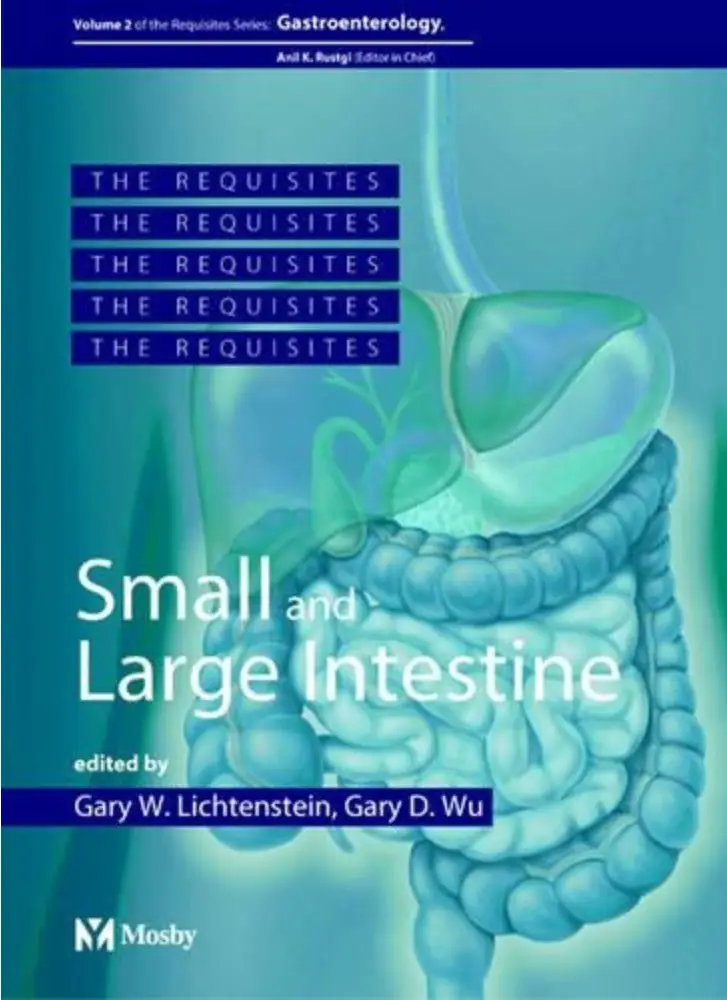

Small and Large Intestine (Volume 2) is an in-depth academic and clinical resource that explores the structure, function, disorders, and management of the lower gastrointestinal (GI) tract. This volume focuses specifically on the small intestine and large intestine, which play crucial roles in digestion, nutrient absorption, water balance, and waste elimination. It is an essential reference for medical students, gastroenterologists, surgeons, and healthcare professionals involved in digestive health.
The small intestine, consisting of the duodenum, jejunum, and ileum, is the primary site for digestion and absorption. The book explains how digestive enzymes and bile interact within the duodenum to break down food into absorbable components. The jejunum is highlighted as the major site of nutrient absorption, while the ileum plays a key role in absorbing vitamin B12 and bile salts. The structure of the small intestine, including villi and microvilli, is described in detail, emphasizing how these features increase the surface area for efficient absorption.
In addition to normal physiology, the volume discusses a wide range of small intestinal disorders. Conditions such as celiac disease, Crohn’s disease, malabsorption syndromes, and intestinal infections are explored. The text explains how these conditions affect nutrient uptake and overall health, often leading to symptoms like diarrhea, weight loss, and nutritional deficiencies. Diagnostic techniques such as endoscopy, biopsy, and imaging studies are covered to help clinicians identify these disorders accurately.
The large intestine, which includes the cecum, colon, rectum, and anal canal, is responsible for absorbing water and electrolytes, as well as forming and storing feces. The book provides a detailed explanation of colonic motility and the role of gut microbiota in maintaining intestinal health. The interaction between beneficial bacteria and the human body is emphasized, particularly in relation to immune function and metabolism.
A significant portion of the volume is dedicated to diseases of the large intestine. Common conditions such as irritable bowel syndrome (IBS), ulcerative colitis, diverticular disease, and colorectal cancer are discussed extensively. The text explains their pathophysiology, clinical presentation, and available treatment options. For instance, inflammatory bowel diseases like ulcerative colitis are described as chronic conditions requiring long-term management, often involving medications, dietary adjustments, and sometimes surgery.
The book also addresses colorectal cancer, one of the most serious conditions affecting the large intestine. It highlights the importance of early detection through screening methods such as colonoscopy. Risk factors, including diet, genetics, and lifestyle, are discussed to provide a comprehensive understanding of disease prevention and management.
Another important topic covered is intestinal obstruction, which can occur in both the small and large intestines. The volume explains the causes, including tumors, adhesions, and hernias, as well as the clinical signs such as abdominal pain, vomiting, and constipation. Prompt diagnosis and treatment are emphasized to prevent complications.
Surgical aspects of intestinal diseases are also included, offering insights into procedures such as resection, anastomosis, and minimally invasive techniques. Postoperative care and potential complications are discussed to ensure optimal patient outcomes. The role of nutrition in recovery and long-term health is also highlighted, particularly in patients with compromised intestinal function.
Throughout the book, clinical case studies and illustrations are used to enhance understanding and application of knowledge. These real-world examples help bridge the gap between theory and practice, making the content more accessible and relevant.
Overall, Small and Large Intestine (Volume 2) provides a comprehensive overview of gastrointestinal physiology and pathology. Its detailed explanations, combined with clinical insights, make it a valuable resource for anyone seeking to understand the complexities of intestinal health and disease.
Reviews
There are no reviews yet