
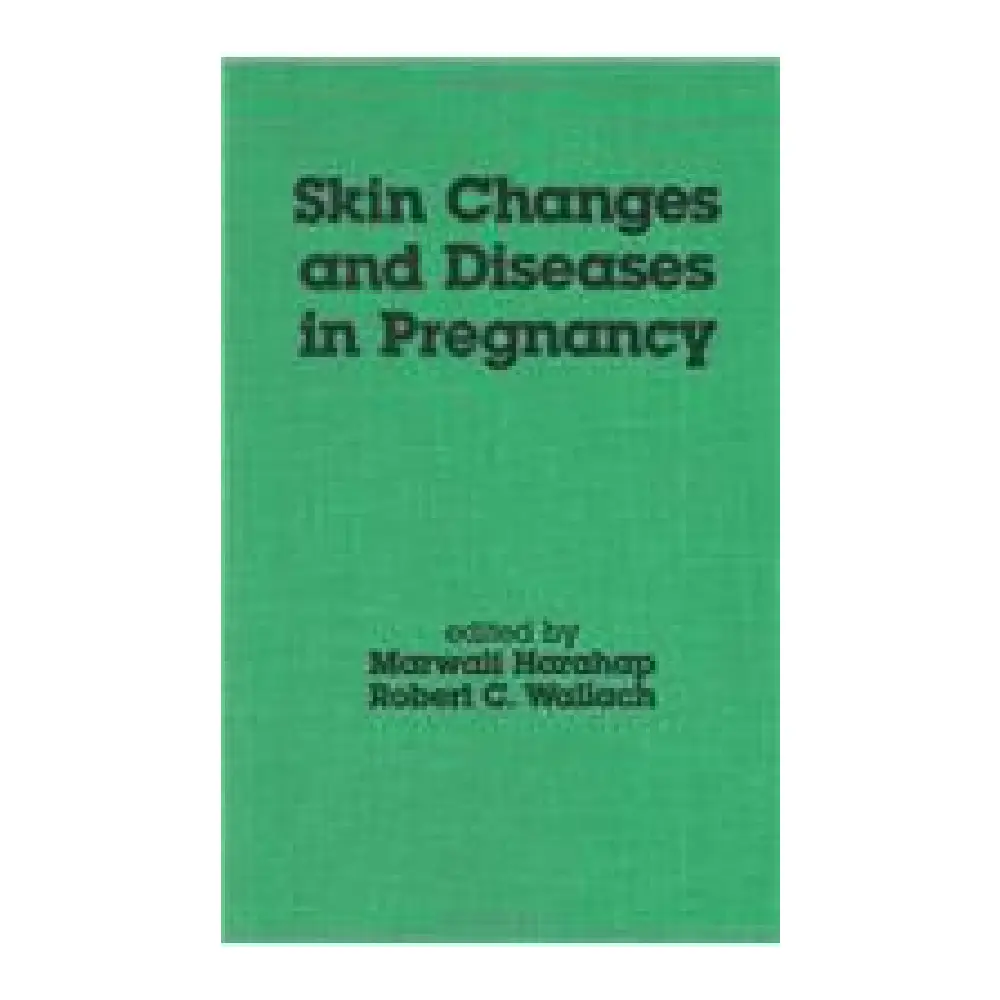

Skin Changes and Diseases in Pregnancy (700 Words)
Pregnancy is associated with profound hormonal, immunological, metabolic, and vascular changes that significantly influence the skin. These changes may be physiological (normal), modifications of pre-existing dermatoses, or pregnancy-specific dermatoses. Understanding these conditions is essential for obstetricians and dermatologists to ensure maternal comfort and fetal safety.
Physiological Skin Changes in Pregnancy
Physiological changes occur in most pregnant women and are generally harmless.
1. Pigmentary Changes
Hyperpigmentation is one of the most common skin changes, attributed to increased levels of estrogen, progesterone, and melanocyte-stimulating hormone.
-
Melasma (Chloasma): Symmetrical hyperpigmented patches over the cheeks, forehead, and upper lip. Often called the “mask of pregnancy.”
-
Linea Nigra: Darkening of the linea alba on the abdomen.
-
Darkening of areolae, nipples, axillae, and genital skin.
These changes usually regress postpartum, although melasma may persist.
2. Vascular Changes
Increased blood volume and hormonal influences lead to vascular skin manifestations:
-
Spider angiomas
-
Palmar erythema
-
Varicose veins
-
Hemorrhoids
Most resolve after delivery.
3. Connective Tissue Changes
-
Striae gravidarum (stretch marks): Occur due to dermal collagen stretching and hormonal effects. Common on the abdomen, breasts, thighs, and buttocks.
-
Increased skin laxity.
Striae typically fade postpartum but rarely disappear completely.
4. Glandular Changes
-
Increased sweat and sebaceous gland activity.
-
Acne may worsen or improve.
-
Montgomery tubercles enlarge on the breasts.
Pre-Existing Skin Conditions Modified by Pregnancy
Pregnancy may alter the course of certain dermatological diseases:
1. Psoriasis
Often improves during pregnancy but may flare postpartum.
2. Atopic Dermatitis
May worsen due to immune shifts toward Th2 dominance.
3. Acne
Hormonal fluctuations can exacerbate acne, particularly in the first trimester.
4. Autoimmune Disorders
Conditions like lupus may flare and require close monitoring.
Careful drug selection is crucial since many dermatologic medications (e.g., retinoids, methotrexate) are contraindicated in pregnancy.
Pregnancy-Specific Dermatoses
These are unique to pregnancy and may have fetal implications.
1. Polymorphic Eruption of Pregnancy (PEP)
Also known as pruritic urticarial papules and plaques of pregnancy (PUPPP), this condition typically occurs in primigravidas during the third trimester.
-
Presents as pruritic erythematous papules starting within abdominal striae.
-
Spares the umbilicus.
-
No adverse fetal effects.
-
Managed with topical corticosteroids and antihistamines.
2. Pemphigoid Gestationis
A rare autoimmune blistering disorder usually appearing in the second or third trimester.
-
Periumbilical urticarial plaques progressing to tense blisters.
-
Associated with complement deposition at the basement membrane.
-
Increased risk of preterm delivery and small-for-gestational-age infants.
-
Treated with systemic corticosteroids in severe cases.
3. Intrahepatic Cholestasis of Pregnancy (ICP)
Characterized by intense pruritus without primary skin lesions, typically in the third trimester.
-
Associated with elevated bile acids.
-
Increased risk of fetal distress and stillbirth.
-
Managed with ursodeoxycholic acid and close fetal monitoring.
-
Early delivery may be recommended.
4. Atopic Eruption of Pregnancy
Includes eczema in pregnancy and prurigo.
-
Occurs earlier (first or second trimester).
-
Presents with eczematous or papular lesions.
-
Usually no fetal risk.
-
Managed with emollients and mild topical steroids.
Infectious Skin Diseases in Pregnancy
Pregnancy-related immune modulation may increase susceptibility to infections:
-
Fungal infections (candidiasis): More common due to hormonal changes.
-
Herpes simplex: Important due to risk of neonatal transmission.
-
Varicella: Can cause congenital varicella syndrome if infection occurs early in pregnancy.
Prompt diagnosis and appropriate antiviral therapy are essential.
Drug Considerations in Pregnancy
Treatment of skin diseases requires caution:
-
Safe options: Topical corticosteroids (mild to moderate), certain antihistamines, emollients.
-
Avoid: Isotretinoin, acitretin, methotrexate, high-dose systemic retinoids.
-
Limited data: Biologics require individualized risk-benefit assessment.
The guiding principle is to use the lowest effective dose and prefer topical over systemic therapy when possible.
Psychological Impact
Visible skin changes can affect body image and mental well-being. Melasma, striae, or acne may cause distress. Counseling and reassurance are vital components of management.
Clinical Approach
Evaluation should include:
-
Detailed history (onset, pruritus, systemic symptoms).
-
Physical examination (distribution, morphology).
-
Laboratory tests if systemic involvement is suspected (e.g., bile acids in ICP).
-
Multidisciplinary collaboration when needed.
Distinguishing benign physiological changes from serious dermatoses like pemphigoid gestationis or cholestasis is crucial for maternal and fetal safety.
Conclusion
Skin changes in pregnancy range from harmless physiological alterations to potentially serious pregnancy-specific dermatoses. Most changes are benign and resolve postpartum, but some require prompt recognition and management due to possible fetal risks. A clear understanding of hormonal, immunological, and vascular influences on the skin helps clinicians provide appropriate treatment while ensuring maternal comfort and fetal well-being.



Reviews
There are no reviews yet