
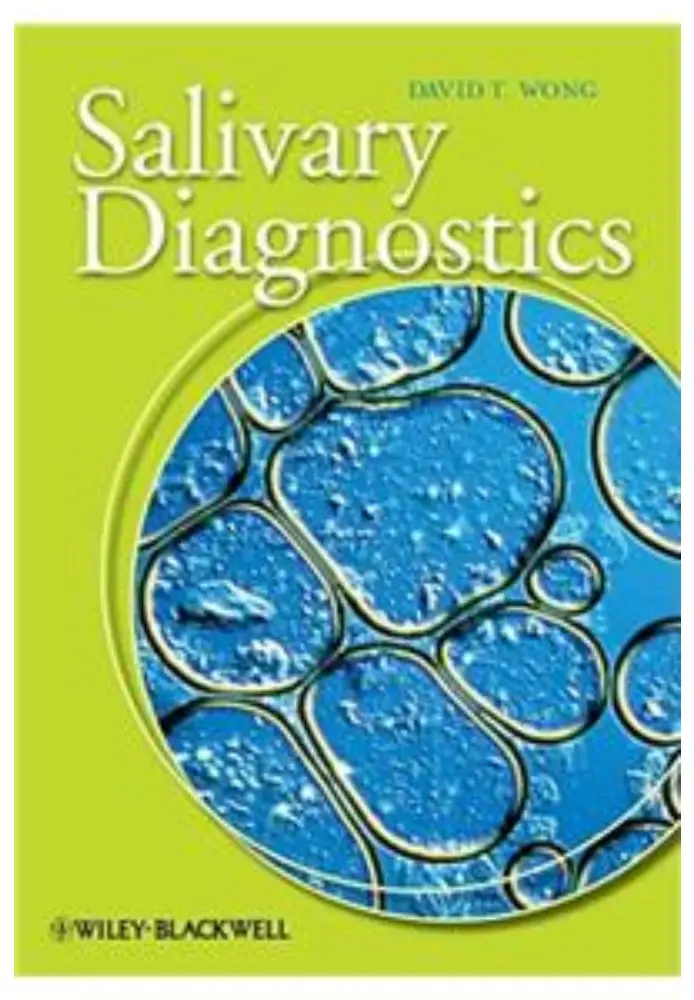

Salivary Diagnostics (HB)
Salivary Diagnostics (HB) is an innovative and rapidly evolving area of biomedical science that explores the use of saliva as a non-invasive diagnostic tool for detecting and monitoring a wide range of diseases. This field has gained significant attention in recent years due to its potential to transform traditional diagnostic practices by offering a simpler, safer, and more patient-friendly alternative to blood-based testing.
The book begins by introducing the Salivary Diagnostics biological basis of saliva and its composition. Saliva is a complex fluid produced by the salivary glands and contains a variety of components, including enzymes, hormones, antibodies, nucleic acids, and electrolytes. These constituents reflect the physiological and pathological state of the body, making saliva a valuable medium for diagnostic analysis. The text explains how biomarkers present in saliva can provide insights into both oral and systemic health.
One of the key advantages of salivary diagnostics highlighted in the book is its non-invasive nature. Unlike blood sampling, saliva collection is painless, does not require specialized training, and reduces the risk of infection. This makes it particularly suitable for use in children, elderly patients, and individuals with chronic conditions who require frequent monitoring. The ease of collection also facilitates large-scale screening and point-of-care testing.
The book explores a wide range of applications for salivary diagnostics. In oral health, saliva is used to detect conditions such as dental caries, periodontal disease, and oral cancer. Biomarkers such as specific proteins, enzymes, and microbial components can indicate the presence and severity of these conditions. In systemic diseases, salivary diagnostics is being used to identify markers associated with conditions such as diabetes, cardiovascular diseases, and hormonal imbalances.
A significant portion of the text is dedicated to the role of salivary diagnostics in infectious diseases. Saliva can be used to detect viral, bacterial, and fungal infections through the identification of specific antigens, antibodies, or genetic material. The book discusses how advances in molecular techniques, such as polymerase chain reaction (PCR), have enhanced the sensitivity and specificity of salivary tests, making them reliable tools for early diagnosis.
The integration of salivary diagnostics with modern technologies is another important aspect covered in the book. It highlights the development of biosensors, microfluidic devices, and lab-on-a-chip systems that enable rapid and accurate analysis of saliva samples. These technologies are paving the way for point-of-care diagnostics, where results can be obtained quickly without the need for centralized laboratory facilities.
The book also addresses the challenges and limitations of salivary diagnostics. Variability in saliva composition, influenced by factors such as hydration, diet, and circadian rhythms, can affect test results. The text emphasizes the need for standardized collection methods and validation of biomarkers to ensure accuracy and reliability. Additionally, it discusses regulatory and ethical considerations related to the use of diagnostic technologies.
Clinical applications and future prospects form a key focus of the book. It explores how salivary diagnostics can be integrated into routine healthcare practice, improving early detection and disease monitoring. The potential for personalized medicine is also highlighted, as salivary biomarkers can help tailor treatments based on individual patient profiles.
Overall, Salivary Diagnostics (HB) is a valuable resource for researchers, clinicians, and students interested in modern diagnostic methods. By combining fundamental science with technological advancements, the book demonstrates how saliva can serve as a powerful tool in the early detection and management of diseases. Its emphasis on non-invasive, accessible, and efficient diagnostic approaches underscores its importance in the future of healthcare.
Reviews
There are no reviews yet