
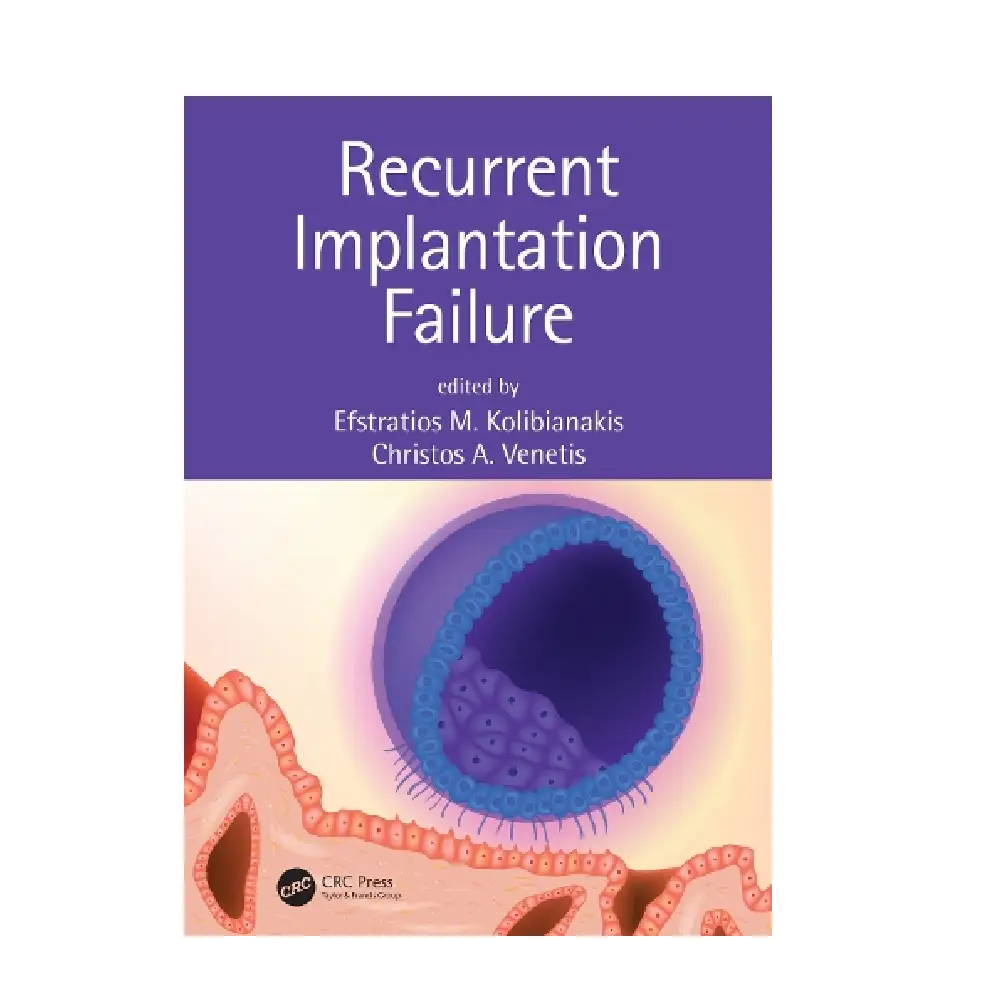

Recurrent Implantation Failure
Recurrent implantation failure (RIF) is a challenging clinical condition in assisted reproductive medicine characterized by the inability to achieve a clinical pregnancy after multiple embryo transfers of good-quality embryos. Although there is no universally accepted definition, RIF is commonly considered when pregnancy has not been established after three or more embryo transfer cycles or after transfer of several high-quality embryos. The condition is multifactorial and requires thorough evaluation of both maternal and embryonic factors.
One of the major causes of recurrent implantation failure is uterine pathology. Structural abnormalities such as intrauterine adhesions, uterine septum, fibroids, and endometrial polyps can interfere with embryo implantation. Endometrial receptivity plays a crucial role in successful implantation. A receptive endometrium undergoes a short period called the implantation window during which embryo attachment is most likely to occur. Disturbances in endometrial molecular signaling can lead to implantation failure even when embryo quality is optimal.
Endocrine and metabolic disorders also contribute significantly to recurrent implantation failure. Poorly controlled thyroid dysfunction, insulin resistance, and hyperprolactinemia may negatively affect reproductive outcomes. Luteal phase deficiency is another suspected factor that may impair endometrial preparation for implantation. Proper hormonal balance is essential for successful embryo-endometrial interaction.
Embryo quality is a major determinant of implantation success. Chromosomal abnormalities in embryos are common causes of failed implantation, particularly in older women. Advances in preimplantation genetic testing have improved embryo selection by identifying euploid embryos for transfer. However, genetic screening does not completely eliminate implantation failure, as other maternal factors may still be involved.
Immunological dysfunction is increasingly recognized as a potential contributor to recurrent implantation failure. Abnormal maternal immune responses may result in failure of embryo recognition or excessive inflammatory reactions at the implantation site. Natural killer cell activity, cytokine imbalance, and autoimmune disorders such as antiphospholipid syndrome have been studied in relation to implantation failure. Although immunological testing is sometimes performed, routine use of many immunological therapies remains controversial.
Lifestyle and environmental factors also influence implantation outcomes. Smoking, obesity, excessive alcohol consumption, and psychological stress are associated with reduced fertility potential. Lifestyle modification is therefore considered an important component of management.
The diagnostic evaluation of recurrent implantation failure should be systematic. According to guidance from the European Society of Human Reproduction and Embryology, assessment should include confirmation of embryo quality, evaluation of uterine cavity integrity, hormonal profile analysis, and screening for thrombophilia or autoimmune disorders when clinically indicated. Hysteroscopy is considered the gold standard for detecting intrauterine abnormalities.
Management of recurrent implantation failure depends on the underlying cause. Surgical correction is recommended for structural uterine lesions such as septum or adhesions. Hysteroscopic procedures can improve endometrial environment and increase implantation potential. In cases of fibroids or polyps, removal may enhance reproductive outcomes.
Hormonal optimization is another important therapeutic strategy. Thyroid hormone replacement, treatment of hyperprolactinemia, and management of metabolic disorders should be undertaken before further embryo transfer attempts. Luteal phase support with progesterone supplementation is commonly used in assisted reproduction protocols.
For patients with suspected immunological factors, treatment options remain controversial. Some clinicians consider anticoagulant therapy in selected cases, especially when thrombophilic disorders are present. However, evidence supporting routine use of immunomodulatory treatment is limited, and decisions should be individualized.
Emerging therapies are being explored to improve implantation success. Endometrial scratching, platelet-rich plasma infusion, and microbiome modulation are under investigation, though high-quality evidence is still evolving. Research in reproductive medicine continues to focus on improving understanding of embryo-endometrial interaction.
Psychological counselling is an essential but often overlooked aspect of management. Repeated implantation failure can cause significant emotional distress, anxiety, and depression. Supportive counselling and stress reduction strategies may improve overall treatment experience.
The approach to recurrent implantation failure requires multidisciplinary collaboration among reproductive endocrinologists, embryologists, and gynecological surgeons. The guidelines from the American Society for Reproductive Medicine emphasize individualized treatment rather than empirical therapy.
In conclusion, recurrent implantation failure is a complex clinical problem involving uterine, embryonic, endocrine, immunological, and lifestyle factors. Accurate diagnosis and targeted treatment are essential for improving reproductive outcomes. Continued advances in reproductive technology and molecular biology are expected to provide better therapeutic strategies for patients experiencing implantation failure.





Reviews
There are no reviews yet