
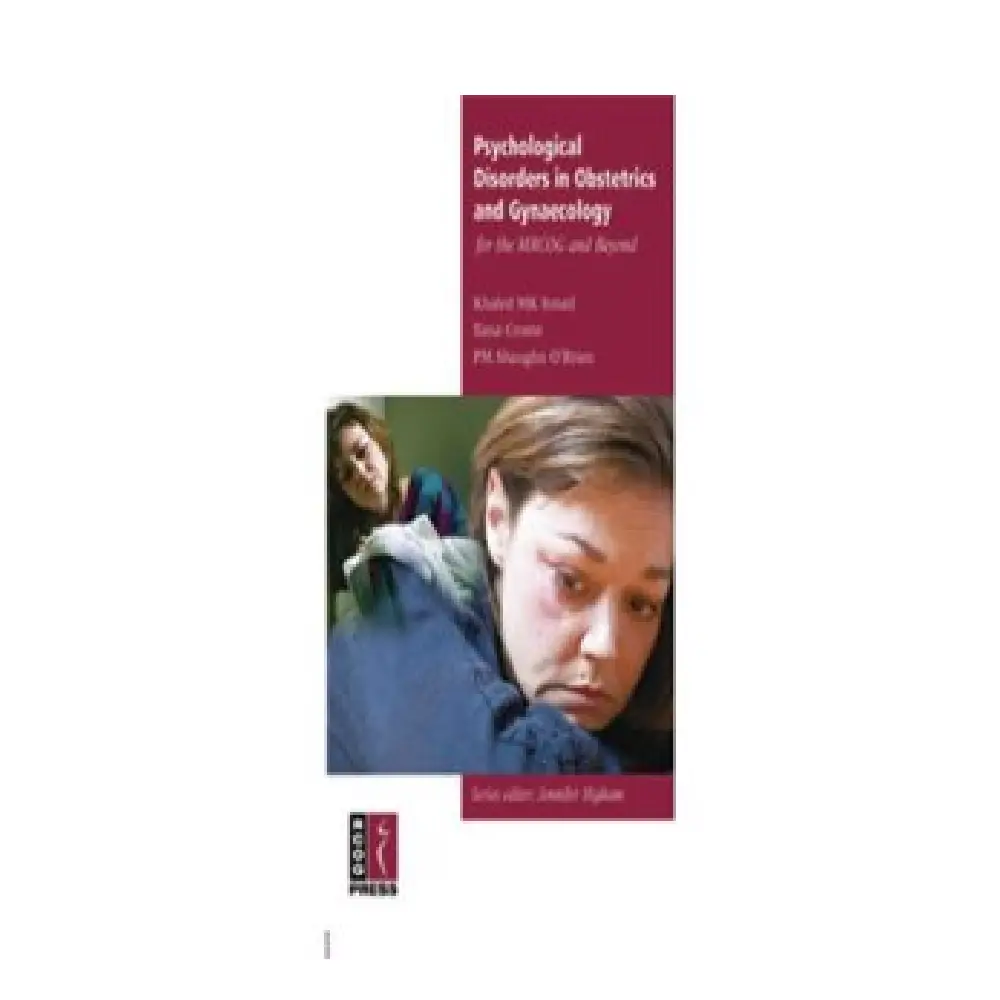
Psychological Disorders in Obstetrics and Gynaecology for the MRCOG and Beyond
Psychological Disorders in Obstetrics and Gynaecology for the MRCOG and Beyond is a specialized academic resource designed to address the growing recognition of mental health issues within women’s reproductive healthcare. Tailored particularly for candidates preparing for membership examinations of the Royal College of Obstetricians and Gynaecologists (MRCOG), the book also serves as a practical guide for practicing obstetricians, gynecologists, trainees, and multidisciplinary teams.
Mental health disorders frequently intersect with obstetric and gynecological practice. Conditions such as depression, anxiety, psychosis, and somatoform disorders can significantly affect pregnancy outcomes, fertility treatment, menopause, and overall quality of life. This book integrates psychiatric principles into everyday OBGYN practice, helping clinicians recognize, assess, and manage psychological disorders safely and effectively.
Scope and Structure
The text is organized to reflect both examination relevance and real-world clinical practice. It typically begins with foundational principles of perinatal psychiatry, including diagnostic criteria, risk assessment, and ethical considerations. Emphasis is placed on understanding the biopsychosocial model, which recognizes the interplay between biological, psychological, and social determinants of mental health.
Chapters are structured around key reproductive stages:
-
Preconception and fertility
-
Antenatal period
-
Postpartum period
-
Gynecological conditions and surgery
-
Menopause and aging
Each section provides case-based discussions, clinical scenarios, and evidence-based management strategies aligned with current guidelines.
Perinatal Mental Health
A major focus of the book is perinatal mental health, a rapidly evolving subspecialty. Topics include:
-
Antenatal depression and anxiety
-
Postpartum depression
-
Postpartum psychosis
-
Bipolar disorder in pregnancy
-
Schizophrenia and severe mental illness
-
Suicide risk assessment
-
Impact of domestic violence
Postpartum depression is discussed in depth, covering risk factors, screening tools such as the Edinburgh Postnatal Depression Scale (EPDS), and treatment modalities including psychotherapy and pharmacotherapy. The book emphasizes safe prescribing practices in pregnancy and breastfeeding, weighing fetal risks against maternal benefits.
Postpartum psychosis, a psychiatric emergency, is addressed with guidance on early recognition, urgent referral, and multidisciplinary management involving psychiatrists, obstetricians, and social workers.
Psychological Aspects of Infertility
Infertility can lead to profound psychological distress, including depression, anxiety, marital strain, and social isolation. The book discusses:
-
Emotional impact of infertility diagnosis
-
Counseling during assisted reproductive technology (ART)
-
Psychological implications of miscarriage and recurrent pregnancy loss
-
Ethical concerns in fertility treatments
Strategies for empathetic communication, breaking bad news, and providing ongoing support are highlighted. The integration of mental health professionals into fertility clinics is encouraged.
Gynecological Conditions and Mental Health
Chronic gynecological disorders often carry psychological consequences. The text examines:
-
Premenstrual dysphoric disorder (PMDD)
-
Polycystic ovarian syndrome (PCOS) and body image issues
-
Chronic pelvic pain
-
Endometriosis
-
Sexual dysfunction
-
Gender dysphoria
The psychological burden of gynecological cancers and surgical menopause is also addressed. Attention is given to sexual health, intimacy concerns, and relationship dynamics following treatment.
Menopause and Midlife Psychiatry
Hormonal transitions during perimenopause and menopause can influence mood disorders. The book explores:
-
Hormonal effects on neurotransmitters
-
Depression during perimenopause
-
Role of hormone replacement therapy (HRT)
-
Cognitive changes and sleep disturbances
Clinicians are guided on differentiating primary psychiatric illness from hormone-related mood changes.
Pharmacological and Non-Pharmacological Management
The book provides balanced guidance on:
-
Antidepressants (SSRIs, SNRIs)
-
Mood stabilizers
-
Antipsychotics
-
Cognitive behavioral therapy (CBT)
-
Interpersonal therapy
-
Support groups
Medication safety profiles in pregnancy and lactation are explained clearly, ensuring MRCOG candidates understand both theoretical and practical implications.
Exam-Oriented Approach
For MRCOG preparation, the book aligns with exam objectives:
-
Structured essay preparation
-
Clinical case discussions
-
Communication skills scenarios
-
Ethical dilemmas
It emphasizes multidisciplinary teamwork and safeguarding responsibilities—areas frequently assessed in OSCE-style examinations.
Clinical Relevance Beyond MRCOG
While examination-focused, the text remains highly applicable in routine practice. Increasing awareness of maternal mental health globally has made psychological screening an essential component of obstetric care. Early identification and appropriate referral improve maternal and neonatal outcomes.
Conclusion
Psychological Disorders in Obstetrics and Gynaecology for the MRCOG and Beyond bridges psychiatry and reproductive medicine in a clinically relevant, exam-focused format. By addressing mental health across the reproductive lifespan—from adolescence to menopause—it equips clinicians with the knowledge and sensitivity required for holistic patient care. The integration of psychiatric principles into obstetric and gynecological practice ultimately enhances maternal wellbeing, fetal safety, and long-term reproductive health outcomes.


Reviews
There are no reviews yet