
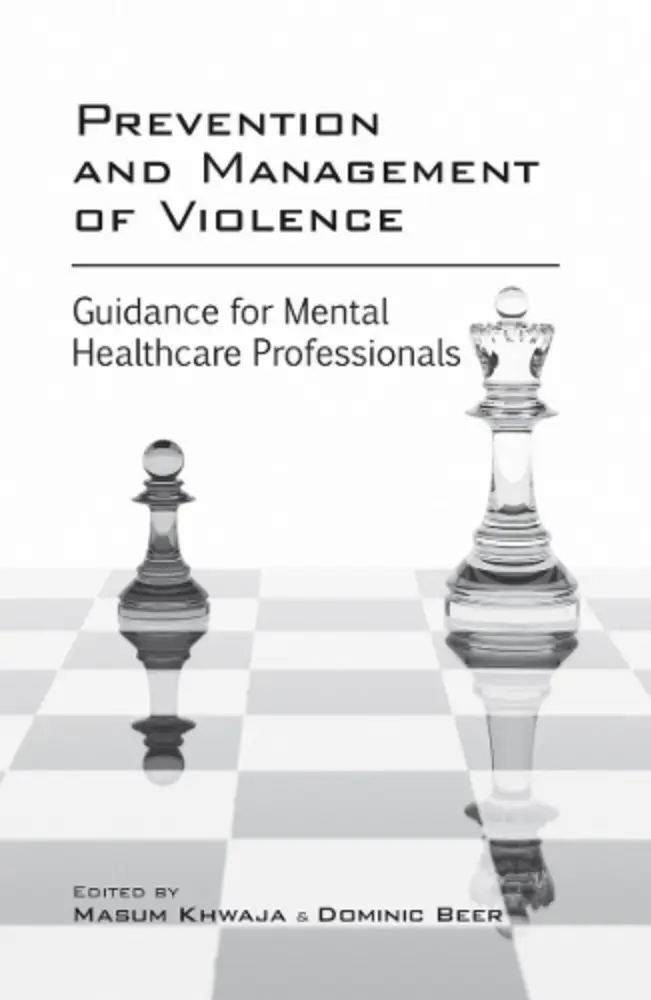
Prevention and Management of Violence: Guidance for Mental Healthcare Professionals
Violence in mental healthcare settings is a significant concern that affects both patients and healthcare professionals. Prevention and Management of Violence: Guidance for Mental Healthcare Professionals provides a structured and practical approach to understanding, preventing, and responding to aggressive and violent behaviors in clinical environments. The resource is particularly valuable for psychiatrists, psychiatric nurses, psychologists, and allied mental health professionals working in high-risk settings such as inpatient units, emergency departments, and community mental health services.
The foundation of violence prevention begins with understanding risk factors. Patients may exhibit aggression due to a combination of biological, psychological, and social influences. Conditions such as psychosis, substance use disorders, personality disorders, and acute stress reactions are commonly associated with increased risk. Environmental factors, including overcrowding, lack of privacy, and poor communication, can further escalate tension. The book emphasizes the importance of early identification of warning signs such as agitation, verbal hostility, and changes in behavior, enabling timely intervention before situations escalate.
A key component of prevention is risk assessment. Mental healthcare professionals are trained to evaluate both static and dynamic risk factors. Static factors include a history of violence or previous criminal behavior, while dynamic factors involve current mental state, substance use, and situational stressors. Structured risk assessment tools, combined with clinical judgment, help in developing individualized care plans that minimize the likelihood of violent incidents.
Communication plays a central role in de-escalation. The guidance highlights techniques such as active listening, empathy, and non-threatening body language. Maintaining a calm tone, respecting personal space, and avoiding confrontational language are crucial strategies. De-escalation aims to reduce emotional intensity and establish trust, often preventing the need for more restrictive interventions. Training in these techniques is essential for all staff members to ensure consistent and effective responses.
When preventive measures are insufficient, safe management strategies must be implemented. These may include the use of pharmacological interventions, physical restraint, or seclusion, but only as a last resort and in accordance with legal and ethical guidelines. The book underscores the importance of using the least restrictive option necessary to ensure safety. Proper documentation, continuous monitoring, and post-incident review are essential components of responsible care.
The role of teamwork and organizational culture is also emphasized. A supportive work environment, clear protocols, and regular staff training contribute to reducing incidents of violence. Multidisciplinary collaboration ensures that different perspectives are considered in managing complex cases. For example, coordination between psychiatrists, nurses, and social workers can lead to more comprehensive care plans that address underlying causes of aggression.
Legal and ethical considerations are integral to managing violence in mental healthcare. Professionals must balance patient autonomy with the duty to protect individuals and others from harm. Understanding local laws regarding involuntary treatment, restraint, and patient rights is critical. Ethical practice requires transparency, respect for dignity, and adherence to professional standards.
In addition, the book highlights the importance of preventive strategies at a systemic level. Designing safer healthcare environments, implementing policies that promote respect and inclusivity, and investing in staff training are long-term measures that reduce the risk of violence. Emphasis is placed on creating therapeutic environments where patients feel heard and supported, thereby minimizing triggers for aggression.
In conclusion, Prevention and Management of Violence: Guidance for Mental Healthcare Professionals serves as a comprehensive resource that integrates theory, practical strategies, and ethical considerations. By focusing on early recognition, effective communication, and collaborative care, it equips professionals with the tools needed to manage challenging situations safely and compassionately, ultimately improving outcomes for both patients and healthcare providers.
Reviews
There are no reviews yet