
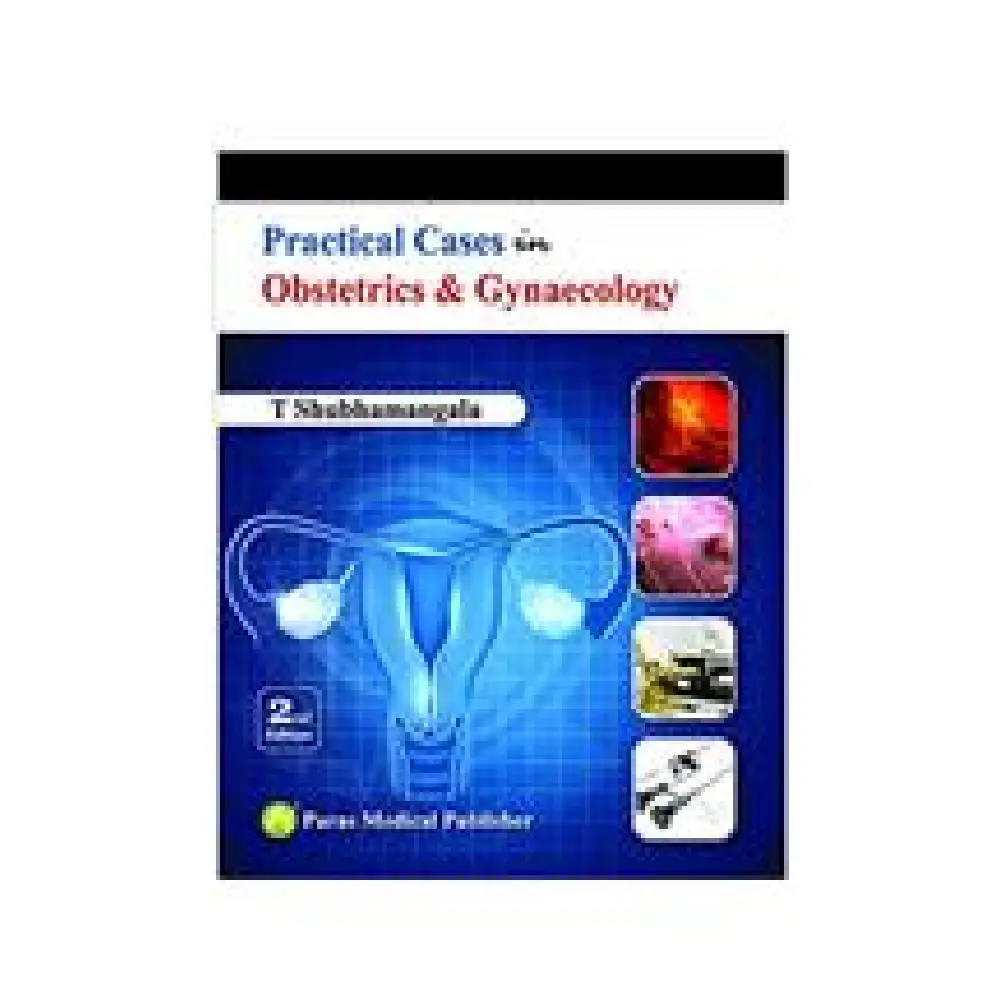
Practical Cases in Obstetrics & Gynaecology (2nd Edition)
Practical Cases in Obstetrics & Gynaecology, authored by T. Shubhamangala, is a comprehensive case-oriented textbook aimed primarily at medical students, postgraduate trainees, and practitioners in obstetrics and gynecology. Published in its 2nd Edition by Paras Medical Publishers (first released in 2016 with reprints later), this book has gained popularity as a practical guide to clinical scenarios encountered in everyday obstetric and gynecologic practice. It bridges theoretical knowledge and practical decision-making by presenting real-world clinical cases along with discussions on diagnosis, management, and examination strategy.
Purpose and Audience
The core intent of this book is to prepare students for clinical exams, viva voce assessments, ward postings, and practical case presentations. Unlike traditional textbooks that emphasize theory, this book uses a clinical case-based format — similar to what students face in final-year university exams and postgraduate practicals. It encourages problem-solving, critical thinking, and application of clinical skills rather than rote memorization. The book is especially valuable for:
-
Final-year MBBS students
-
Postgraduate residents (MD/MS/DGO)
-
Practitioners preparing for practical and viva exams
-
Clinicians seeking a quick case-based reference
Content Structure
The book is organized into multiple clinical case discussions, each centered around a specific obstetric or gynecologic presentation. Each case typically follows a structured format:
-
Clinical Presentation: Begins with a real patient scenario — age, symptoms, and clinical context.
-
Investigations and Findings: Provides data from relevant lab tests and imaging results.
-
Diagnosis: Discusses possible differential diagnoses and rationale for the final diagnosis.
-
Management Plan: Covers both medical and surgical treatment strategies tailored to the case.
-
Key Teaching Points: Highlights essential clinical pearls, examination-focused notes, and bullet-point take-aways students must remember.
This consistent format allows readers to develop a logical approach to evaluating and managing common and complex clinical situations. It also reinforces best practices by integrating current standards of care and relevant guidelines — making it practical for both exam preparation and real-life clinical decision-making.
Obstetrics Cases Covered
The obstetrics section includes a wide range of cases reflecting conditions encountered in antenatal, intrapartum, and postpartum care. Typical case scenarios include:
-
High-risk pregnancy — such as hypertensive disorders and gestational diabetes
-
Early pregnancy complications — like miscarriage, ectopic pregnancy
-
Labor management issues — including obstructed labour, breech presentation, and operative deliveries
-
Antepartum haemorrhage and preterm labour
-
Fetal growth issues like IUGR (intrauterine growth retardation)
-
Maternal infections and anemia in pregnancy
Each of these cases guides students in recognizing clinical signs, interpreting investigations, and developing evidence-based management plans. This practical approach ensures students can both understand the condition and articulate their clinical reasoning — a frequent requirement in viva and clinical exams.
Gynaecology Cases Highlighted
The gynecology section transitions to conditions commonly seen in outpatient clinics and surgical settings. These include:
-
Functional and structural disorders: such as abnormal uterine bleeding, amenorrhea, endometriosis
-
Infections and STI-related cases
-
Benign tumors: like ovarian cysts, fibroids
-
Gynecologic malignancies: e.g., cervical and endometrial carcinoma
-
Infertility and reproductive endocrinology
-
Endoscopic cases: including laparoscopy and hysteroscopy as used in gynecology
The discussions here are clinically oriented, focusing on both the diagnostic pathway and therapeutic interventions, along with common pitfalls and exam-oriented points.
Unique Features and Learning Tools
Several features make this book particularly effective:
-
Case-based format: Mimics real clinical scenarios, promoting active learning.
-
“Must Remember” points: Short, high-yield notes at the end of each case help retention and exam recall.
-
Management focus: Emphasizes clinical decision-making and treatment planning rather than just theory.
-
Guidelines integration: Where applicable, the book incorporates contemporary practice recommendations relevant to obstetrics and gynaecology.
This format especially benefits students during ward postings, practical assessments, and viva examinations where questions are often framed around patient scenarios rather than isolated facts.
Clinical Relevance
One of the major strengths of Practical Cases in Obstetrics & Gynaecology is its clinical orientation. It does not merely describe diseases but teaches how to think and act in real clinical situations. Practitioners preparing for postgraduate entrance exams or specialization training will find it particularly useful for developing problem-solving skills and confidence in handling common obstetric and gynecologic challenges.
Conclusion
In summary, the 2nd Edition of Practical Cases in Obstetrics & Gynaecology by T. Shubhamangala is a practical, case-oriented guide that effectively bridges the gap between textbook knowledge and clinical application. Its structured case discussions, high-yield “Must Remember” points, and emphasis on real-world clinical scenarios make it indispensable for medical students and trainees aiming to excel in practical exams and clinical practice alike.


Reviews
There are no reviews yet