
Practical Approach to Infertility Management
Infertility is defined as the failure to conceive after 12 months of regular, unprotected sexual intercourse. A practical approach to infertility management requires a structured, evidence-based, and couple-centered strategy. Since infertility affects both partners, evaluation and treatment must always involve the couple together rather than focusing on one individual.
Initial Assessment and Counseling
The first step in infertility management is detailed history-taking and counseling. Important aspects include duration of infertility, menstrual history, sexual history, previous pregnancies, medical disorders (such as diabetes or thyroid disease), surgeries, and lifestyle factors including smoking, alcohol use, and stress. Age is a critical determinant of prognosis, especially in women above 35 years, where early intervention is recommended.
Counseling should address emotional stress, expectations, and treatment timelines. Couples must understand that infertility treatment often requires patience and stepwise escalation.
Basic Evaluation
A practical infertility workup includes three core components:
-
Assessment of Ovulation
Regular menstrual cycles often indicate ovulation. Confirmation can be done through mid-luteal serum progesterone levels, ultrasound follicular monitoring, or ovulation predictor kits. -
Semen Analysis
Male factor infertility contributes to nearly 40–50% of cases. A semen analysis evaluates sperm count, motility, morphology, and volume. Abnormal findings should be repeated after 2–3 weeks and may require referral to an andrologist. -
Assessment of Tubal Patency and Uterine Cavity
Tubal patency can be assessed by hysterosalpingography (HSG) or saline infusion sonography. Laparoscopy is reserved for suspected endometriosis, pelvic inflammatory disease, or when imaging findings are abnormal.
Common Causes and Management
1. Ovulatory Disorders
Ovulatory dysfunction is one of the most common causes of female infertility. Conditions such as polycystic ovarian syndrome (PCOS), thyroid dysfunction, and hyperprolactinemia should be evaluated.
Management includes:
-
Lifestyle modification (weight reduction in obese patients)
-
Ovulation induction using agents such as clomiphene citrate or letrozole
-
Monitoring with ultrasound to prevent multiple pregnancies and ovarian hyperstimulation
Letrozole is now widely preferred in PCOS due to better ovulation and pregnancy rates.
2. Tubal Factor Infertility
Tubal blockage may result from infections, endometriosis, or previous surgeries. If one tube is patent, ovulation induction with timed intercourse or intrauterine insemination (IUI) may be attempted. Bilateral tubal blockage usually requires assisted reproductive techniques such as in vitro fertilization (IVF).
3. Male Factor Infertility
Treatment depends on severity:
-
Mild abnormalities: lifestyle changes, antioxidants, IUI
-
Severe oligospermia or azoospermia: intracytoplasmic sperm injection (ICSI)
4. Endometriosis
Mild endometriosis may benefit from laparoscopic treatment followed by ovulation induction with IUI. Moderate to severe cases often require IVF.
5. Unexplained Infertility
When standard investigations are normal, the condition is labeled unexplained infertility. Management typically involves:
-
Expectant management in young couples
-
Ovulation induction with IUI
-
IVF if pregnancy does not occur after 3–6 cycles
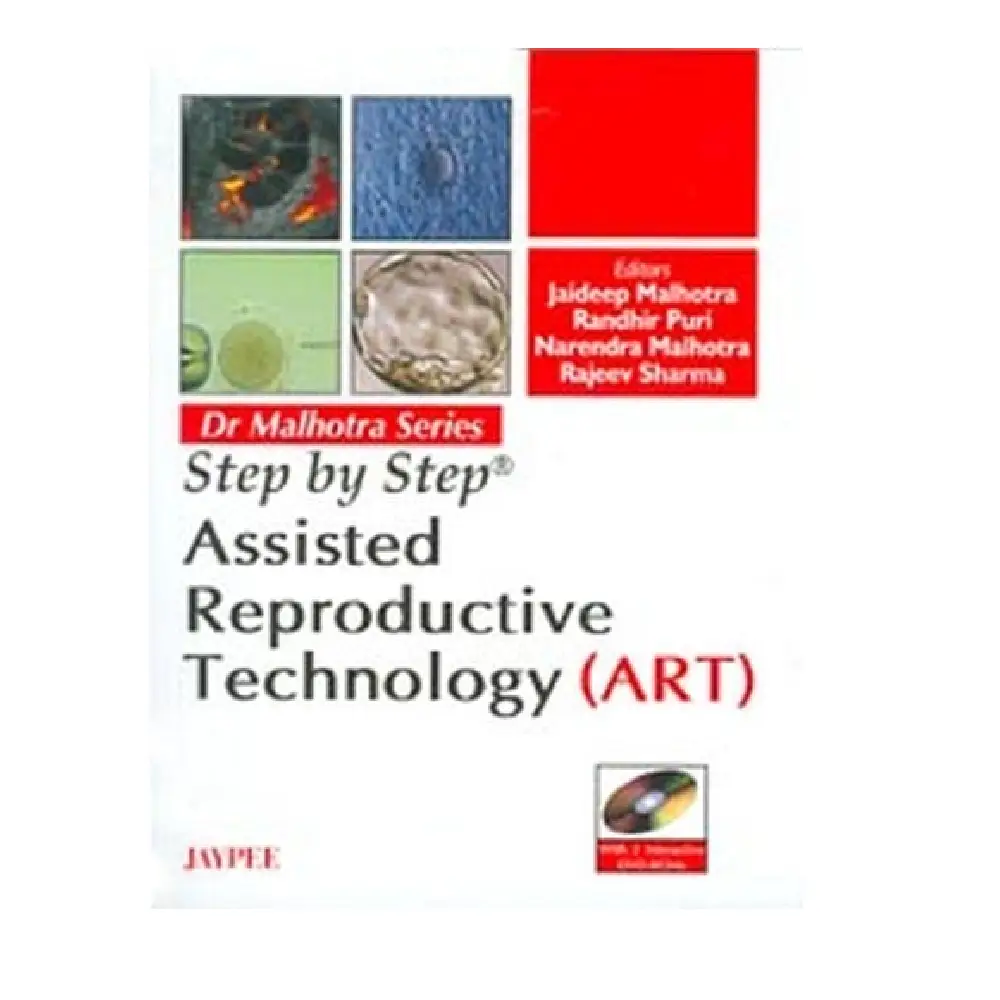
Assisted Reproductive Techniques (ART)
ART is considered when simpler treatments fail or when indicated primarily (e.g., bilateral tubal block). The most common ART methods include:
-
Intrauterine Insemination (IUI): Washed sperm is placed directly into the uterus during ovulation.
-
In Vitro Fertilization (IVF): Eggs are retrieved, fertilized in the laboratory, and embryos transferred into the uterus.
-
Intracytoplasmic Sperm Injection (ICSI): A single sperm is injected directly into an egg.
ART success rates depend on maternal age, ovarian reserve, and underlying cause.
Ovarian Reserve Assessment
In women above 35 years or those with risk factors, ovarian reserve testing is essential. Anti-Müllerian hormone (AMH) levels and antral follicle count (AFC) help predict response to stimulation and guide treatment decisions.
Lifestyle and Supportive Measures
Practical infertility care includes addressing modifiable factors:
-
Maintaining optimal BMI
-
Smoking cessation
-
Limiting alcohol
-
Managing stress
-
Timed intercourse during the fertile window
Psychological support is crucial as infertility often leads to anxiety, depression, and relationship strain.
When to Refer
Referral to a fertility specialist is recommended:
-
After 12 months of unsuccessful attempts (6 months if woman >35 years)
-
Known tubal disease or severe male factor
-
Recurrent pregnancy loss
-
Suspected diminished ovarian reserve
Conclusion
A practical approach to infertility management involves systematic evaluation, identification of the underlying cause, and individualized treatment. Stepwise progression from basic interventions to advanced reproductive technologies ensures cost-effectiveness and optimal outcomes. Equally important is empathetic counseling and emotional support, as infertility treatment is not only a medical journey but also a psychological one.




Reviews
There are no reviews yet