
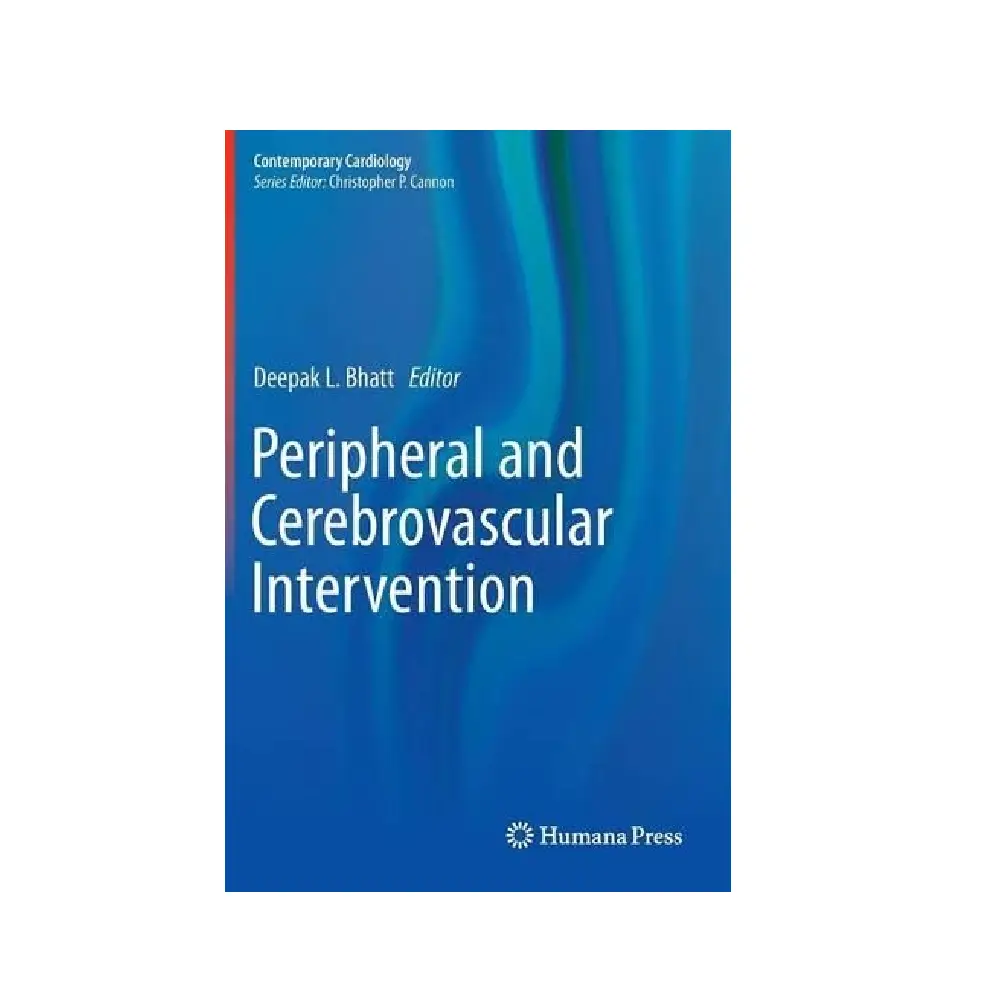


Peripheral and Cerebrovascular Intervention
Peripheral and cerebrovascular interventions are minimally invasive medical procedures used to diagnose and treat diseases of the blood vessels outside the heart and within the brain. These interventions fall under the broader umbrella of endovascular therapy, which harnesses small catheters, wires, balloons, stents, and other specialized devices to tackle blockages, narrowing, or malformations within arteries and veins without the need for open surgery.
1. What Are Peripheral and Cerebrovascular Interventions?
Peripheral intervention refers to procedures aimed at restoring or improving blood flow in the peripheral arteries — those supplying the arms, legs, abdomen, and other organs outside the heart. The most common condition treated is peripheral artery disease (PAD), where atherosclerotic plaque narrows arterial walls and restricts blood flow, causing symptoms like leg pain, cramping, non‑healing wounds, or, in severe cases, limb loss.
Cerebrovascular intervention targets blood vessels in the brain and neck. A wide range of cerebrovascular diseases — including ischemic and hemorrhagic stroke, cerebral aneurysms, arteriovenous malformations (AVMs), and carotid artery stenosis — may be treated through endovascular techniques. These procedures replace or supplement traditional neurosurgery by operating from within the vessel lumen.
Both peripheral and cerebrovascular interventions rely on advanced imaging such as angiography to guide instruments through the vascular system and deliver treatment directly where it’s needed.
2. Why Are These Interventions Important?
The prevalence of vascular disease is rising globally, driven by aging populations and risk factors like diabetes, hypertension, and smoking. Peripheral artery disease affects millions worldwide and is associated with significant morbidity and mortality due to limb loss and cardiovascular events.
Cerebrovascular disorders, particularly stroke — the abrupt loss of brain function due to vessel blockage or rupture — are leading causes of death and disability. Timely intervention can reverse ischemia, prevent recurrent strokes, and save brain tissue.
Minimally invasive procedures shorten recovery time, reduce surgical risk, and improve quality of life compared to open surgery, making them a cornerstone of modern vascular care.
3. Peripheral Vascular Interventions: Techniques & Uses
Peripheral interventions aim to restore blood flow and alleviate symptoms by opening narrowed or blocked arteries.
a. Angioplasty & Stenting
A catheter bearing a small balloon is navigated to the narrowed segment and inflated to compress atherosclerotic plaque, widening the vessel and improving blood flow. Often, a stent (a tiny wire mesh tube) is deployed to keep the artery open long‑term.
b. Atherectomy
Instead of simply compressing plaque, an atherectomy device physically removes it. A catheter with a cutting tip, laser, or rotating burr shaves plaque from the vessel wall, improving blood flow and potentially reducing restenosis (re‑narrowing).
c. Thrombectomy
When a blood clot (thrombus) obstructs an artery, a catheter‑based thrombectomy can mechanically remove it to rapidly re‑establish circulation. This is especially critical in acute limb ischemia or stroke.
d. Percutaneous Intentional Extraluminal Revascularization (PIER)
PIER is a specialized technique for chronic total occlusions — long segments of blocked artery not readily crossed with traditional wires. A guide wire deliberately traverses the subintimal space (between vessel layers), creating a new channel for blood flow.
4. Cerebrovascular Interventions: Techniques & Goals
Cerebrovascular procedures are often time‑sensitive and technically demanding because cerebral arteries are delicate and the margin for error is small. Sphere‑specific devices and expertise are therefore required.
a. Endovascular Coiling & Embolization
For aneurysms — weakened blood vessel walls that balloon outward — endovascular coils are delivered via microcatheters into the aneurysm sac. Coils induce blood clotting within the aneurysm, sealing it off from circulation and preventing rupture.
b. Stenting for Intracranial Atherosclerosis
Similar to peripheral stenting, balloon angioplasty and stent placement can open narrowed arteries within the brain to restore blood flow in cases of symptomatic intracranial atherosclerosis.
c. Mechanical Thrombectomy for Stroke
In selected cases of ischemic stroke, where a clot blocks a major cerebral artery, mechanical thrombectomy can swiftly remove the clot and significantly improve outcomes if performed within hours of symptom onset.
5. Advantages & Challenges
Advantages
-
Minimally invasive: Smaller incisions, less pain, faster recovery.
-
Lower complication rates than traditional open surgery.
-
Outpatient capability: Many procedures allow same‑day discharge.
Challenges
-
Technical complexity: Especially in the brain, where vessel wall fragility and risk of embolization demand great skill.
-
Complication risks: Including vessel dissection, perforation, and restenosis (re‑narrowing) of treated arteries.
6. Future Directions
Advances in imaging, device design, and even artificial intelligence‑guided catheter navigation are pushing the field forward, enabling safer, more precise interventions and expanding treatable patient populations.
Conclusion
Peripheral and cerebrovascular interventions are vital components of contemporary vascular care. By leveraging minimally invasive endovascular techniques, physicians can diagnose and treat a range of diseases affecting blood vessels outside the heart and within the brain. These interventions offer lower risk, faster recovery, and improved functional outcomes for patients suffering from PAD, limb ischemia, stroke, aneurysms, and related conditions. As technology and clinical expertise continue to evolve, the scope and effectiveness of these life‑saving procedures will only increase.




Reviews
There are no reviews yet