
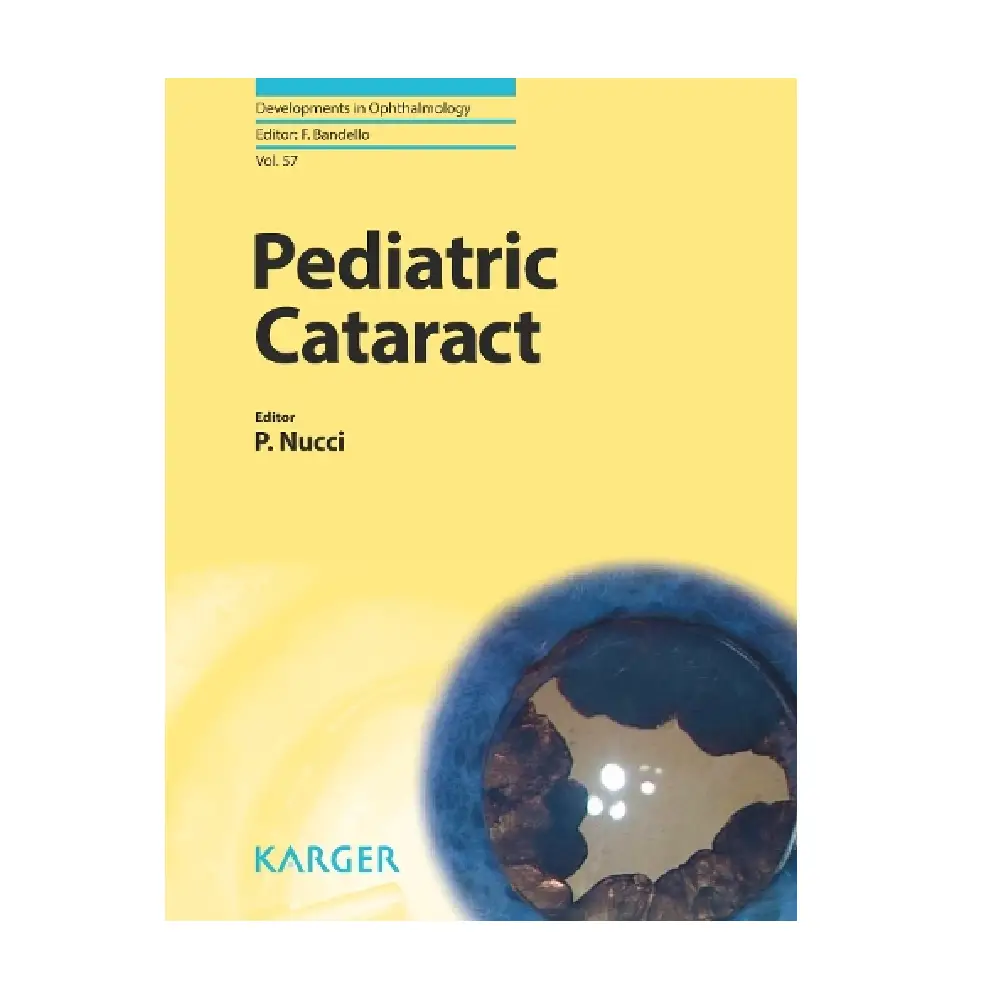


Pediatric Cataract
Pediatric cataract refers to opacification of the crystalline lens occurring in infancy or childhood and is a significant cause of preventable childhood blindness worldwide. Unlike age-related cataracts, pediatric cataracts interfere with visual development during critical periods of neuroplasticity. Early detection and timely management are therefore essential to prevent irreversible amblyopia and long-term visual impairment.
Epidemiology and Etiology
The prevalence of pediatric cataract varies globally, with higher rates reported in low- and middle-income countries due to limited access to screening and surgical services. Cataracts may be congenital, present at birth or within the first year of life, or developmental, appearing later in childhood.
Etiologically, pediatric cataracts may be idiopathic or associated with systemic and ocular conditions. Genetic causes account for a substantial proportion of bilateral congenital cataracts, often inherited in an autosomal dominant pattern. Metabolic disorders such as galactosemia, hypocalcemia, and diabetes mellitus, intrauterine infections (including rubella, cytomegalovirus, and toxoplasmosis), and chromosomal abnormalities are well-recognized causes. Unilateral cataracts are more commonly sporadic and may be associated with persistent fetal vasculature or ocular trauma.
Pathophysiology
Lens transparency depends on the precise organization of lens fibers and maintenance of protein structure. In pediatric cataract, disruptions in lens development, metabolic imbalances, or genetic mutations lead to protein aggregation and lens opacity. During early childhood, visual deprivation caused by cataract impairs normal visual pathway development, leading to deprivation amblyopia, which may persist despite later removal of the cataract if intervention is delayed.
Clinical Presentation
The clinical presentation depends on the age of onset, laterality, and severity of lens opacity. Leukocoria (white pupillary reflex) is a common presenting sign in infants and may be detected during routine newborn screening. Other features include poor fixation, nystagmus, strabismus, and reduced visual acuity. In older children, symptoms such as blurred vision, glare, and difficulty with schoolwork may be reported.
Pediatric cataracts are classified based on morphology, including nuclear, lamellar, posterior subcapsular, and total cataracts. Certain morphologies, such as dense central opacities, have a greater impact on visual development and require urgent management.
Diagnosis
Early diagnosis relies on red reflex screening in newborns and infants. A thorough ophthalmic examination is essential, including assessment of visual behavior, slit-lamp examination, and dilated fundus evaluation where possible. In infants, examination under anesthesia may be required.
Systemic evaluation is important, particularly in bilateral cataracts, to identify underlying metabolic, infectious, or genetic causes. Investigations may include blood and urine metabolic screening, TORCH testing, and genetic counseling.
Management
The management of pediatric cataract is primarily surgical, but the timing and approach depend on several factors. Early surgery is critical, especially for dense bilateral cataracts, which ideally should be removed within the first 6–8 weeks of life. Unilateral cataracts often require even earlier intervention due to the high risk of amblyopia.
Surgical techniques include lens aspiration with or without posterior capsulotomy and anterior vitrectomy. The use of intraocular lenses (IOLs) in children remains an area of ongoing research and debate, particularly in infants, due to ocular growth and refractive changes.
Postoperative management is equally important and includes optical correction with spectacles or contact lenses, aggressive amblyopia therapy, and long-term follow-up. Complications such as secondary glaucoma, posterior capsule opacification, and inflammation require careful monitoring.
Prognosis and Outcomes
Visual outcomes in pediatric cataract depend on the age at diagnosis, promptness of treatment, adherence to amblyopia therapy, and presence of associated ocular or systemic conditions. With early intervention and comprehensive postoperative care, many children achieve functional vision. However, delayed diagnosis remains a major challenge in resource-limited settings.
Prevention and Public Health Importance
Preventive strategies include maternal immunization against rubella, improved antenatal care, and routine newborn eye screening. Raising awareness among healthcare providers and parents is essential to facilitate early detection.
Conclusion
Pediatric cataract is a vision-threatening condition with lifelong implications if not managed promptly. Early diagnosis, timely surgical intervention, and long-term visual rehabilitation are the cornerstones of successful treatment. A multidisciplinary approach involving ophthalmologists, pediatricians, and families is vital to ensure optimal visual development and quality of life for affected children.





Reviews
There are no reviews yet