
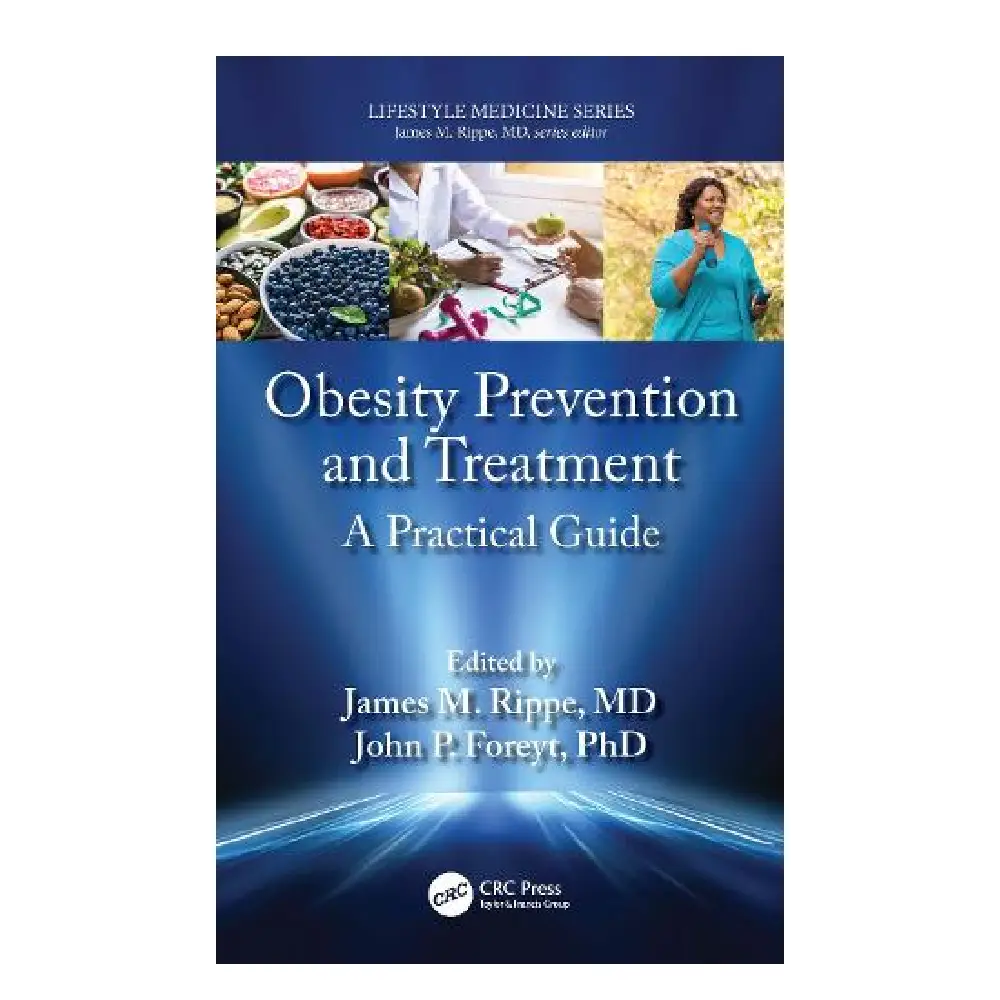
Obesity Prevention and Treatment: A Practical Guide is a comprehensive, evidence-based resource designed to help clinicians, health professionals, and students understand and manage obesity using the principles of lifestyle medicine. The book addresses obesity not merely as a cosmetic concern but as a chronic, relapsing, multifactorial disease influenced by genetic, behavioral, environmental, metabolic, and psychosocial factors. It provides practical strategies for prevention, early intervention, and long-term treatment, integrating nutrition, physical activity, behavioral modification, and when appropriate, pharmacological and surgical options.
The guide begins by outlining the global burden of obesity and its associated comorbidities, including type 2 diabetes mellitus, hypertension, dyslipidemia, cardiovascular disease, non-alcoholic fatty liver disease, obstructive sleep apnea, osteoarthritis, infertility, and certain cancers. It emphasizes the economic and social impact of obesity and the need for population-level prevention strategies alongside individualized clinical management.
A key strength of the book is its focus on lifestyle medicine as the cornerstone of obesity care. It discusses the pathophysiology of weight gain, including energy imbalance, hormonal regulation (leptin, ghrelin, insulin), gut microbiota, and metabolic adaptation. By understanding these mechanisms, clinicians can tailor interventions that are sustainable and patient-centered rather than relying solely on calorie restriction.
Nutrition management is presented in a practical and balanced manner. The book reviews various dietary approaches—Mediterranean diet, low-carbohydrate diets, plant-based diets, intermittent fasting, and calorie-restricted plans—highlighting their evidence base, benefits, and limitations. Rather than promoting a single “ideal” diet, it encourages personalization based on patient preference, cultural background, metabolic profile, and comorbid conditions. It also discusses portion control, mindful eating, meal planning, and strategies to reduce ultra-processed food consumption.
Physical activity is described not only as a tool for weight loss but also as a critical component of metabolic health. The guide outlines aerobic exercise, resistance training, high-intensity interval training (HIIT), and lifestyle activity integration. It emphasizes gradual progression, realistic goal-setting, and addressing barriers such as time constraints, joint pain, or lack of motivation. Importantly, it highlights that even modest increases in activity can significantly improve cardiometabolic risk factors, independent of weight loss.
Behavioral and psychological aspects are thoroughly explored. The book covers motivational interviewing, cognitive behavioral therapy (CBT) principles, stress management, sleep hygiene, and strategies to address emotional eating and binge-eating patterns. It recognizes the stigma associated with obesity and advocates for compassionate, non-judgmental care. Building a therapeutic alliance, setting SMART goals, and using self-monitoring tools (food diaries, wearable devices, apps) are emphasized as practical techniques for long-term adherence.
For patients who do not achieve sufficient weight loss with lifestyle measures alone, the book reviews pharmacotherapy options, including indications, mechanisms of action, expected outcomes, and safety profiles. It also discusses bariatric and metabolic surgery, outlining patient selection criteria, preoperative evaluation, postoperative care, and long-term nutritional monitoring. The integrated approach ensures that lifestyle modification remains essential even when medications or surgery are used.
Prevention strategies form a significant part of the text. It highlights early-life interventions, including maternal health, breastfeeding, childhood nutrition, school-based programs, and community-level initiatives. Workplace wellness programs, urban planning for physical activity, public health policies, and food labeling reforms are discussed as broader measures to combat the obesity epidemic. The book underscores the importance of multi-sectoral collaboration involving healthcare systems, policymakers, educators, and families.
Special populations are also addressed, including children and adolescents, older adults, women with polycystic ovary syndrome (PCOS), pregnant women, and individuals with disabilities. Tailored interventions for these groups help ensure safety and effectiveness while acknowledging unique physiological and social considerations.
The practical nature of the guide is reflected in its inclusion of case studies, clinical algorithms, patient education materials, and step-by-step management plans. These tools make it highly applicable for primary care physicians, endocrinologists, dietitians, physiotherapists, nurses, and lifestyle coaches. The structured approach helps translate theory into real-world clinical practice.
In summary, Obesity Prevention and Treatment: A Practical Guide (Lifestyle Medicine) provides a holistic, patient-centered framework for addressing one of the most pressing health challenges of our time. By combining scientific evidence with practical strategies, it empowers healthcare professionals to deliver sustainable, compassionate, and effective obesity care. Its emphasis on prevention, behavioral change, and long-term lifestyle transformation makes it an invaluable resource in modern clinical practice and public health initiatives.


Reviews
There are no reviews yet