
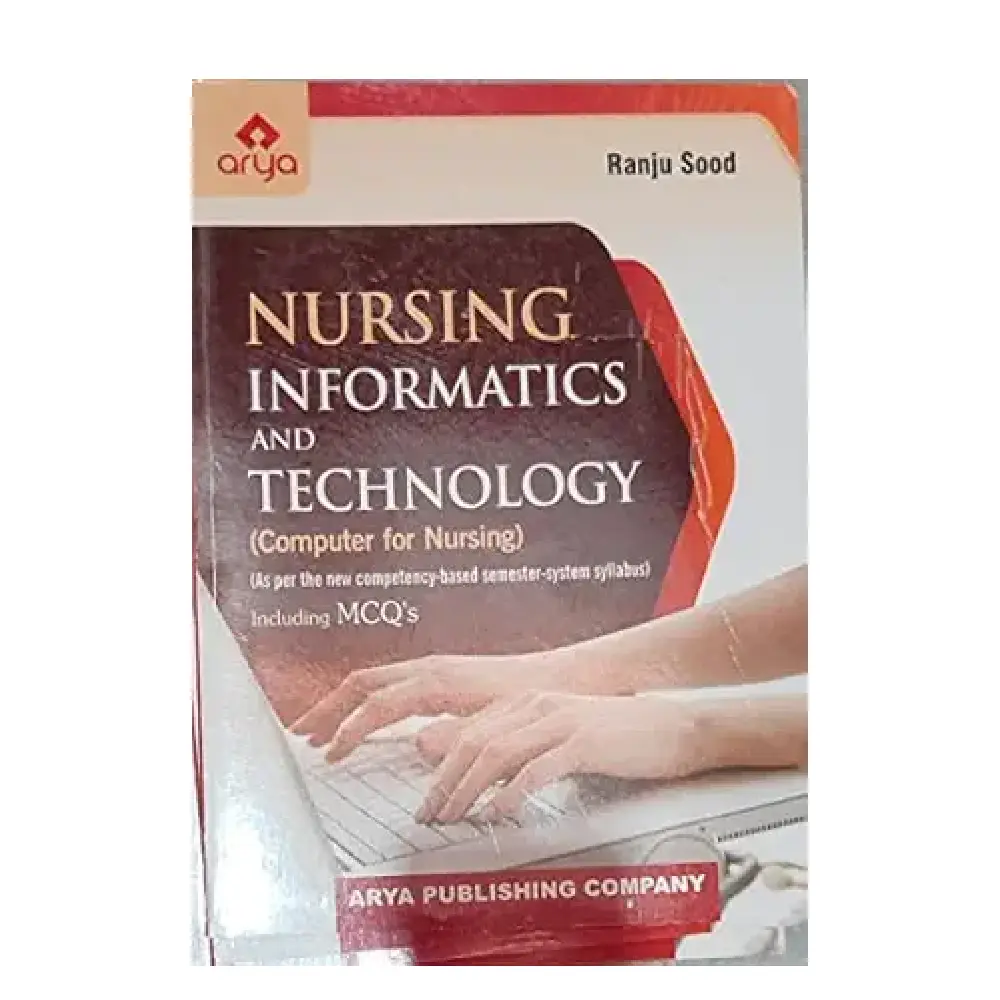


Nursing Informatics and Technology
Nursing Informatics and Technology is a comprehensive textbook designed to introduce nursing students and healthcare professionals to the rapidly evolving field of informatics within clinical practice. As healthcare systems increasingly adopt digital platforms, electronic records, and data-driven decision-making, nurses must develop competencies that integrate information technology with patient care. This book serves as a foundational guide, bridging nursing science with computer and information sciences.
Overview
Nursing informatics is defined as the integration of nursing science, information science, and computer science to manage and communicate data, information, knowledge, and wisdom in nursing practice. The book systematically explains how technology enhances patient safety, improves documentation accuracy, streamlines communication, and supports evidence-based practice. It emphasizes the nurse’s role in the digital transformation of healthcare environments.
The text is structured to help learners understand both theoretical foundations and practical applications. It begins with the history and evolution of informatics in healthcare, describing how traditional paper-based systems transitioned into electronic health records (EHRs) and digital documentation platforms. It explains why informatics is now considered a core competency in modern nursing education and professional standards.
Core Topics Covered
The book typically covers the following major areas:
1. Introduction to Nursing Informatics
Explains key definitions, scope, goals, and the importance of informatics in nursing. It highlights how informatics supports clinical decision-making, documentation, research, administration, and education.
2. Computer Fundamentals and Applications
Provides basic knowledge of computer hardware, software, operating systems, and networking. This section is especially useful for nursing students with limited technical backgrounds, helping them build confidence in using digital tools.
3. Electronic Health Records (EHRs)
Discusses components of EHR systems, data entry standards, confidentiality, and documentation accuracy. It explains how EHRs improve continuity of care, reduce errors, and support interdisciplinary collaboration.
4. Clinical Decision Support Systems (CDSS)
Describes how computerized alerts, reminders, and evidence-based guidelines assist nurses in making informed clinical decisions. The book highlights how CDSS contributes to patient safety and quality improvement.
5. Telehealth and Telemedicine
Explores remote healthcare delivery using digital communication technologies. It outlines the nurse’s role in teleconsultation, remote monitoring, and virtual patient education, particularly relevant in rural and underserved areas.
6. Data Management and Health Information Systems
Explains how healthcare data is collected, stored, analyzed, and protected. It introduces basic data analytics concepts and demonstrates how informatics supports research and policy development.
7. Legal, Ethical, and Security Issues
Addresses confidentiality, patient privacy, cybersecurity threats, and ethical considerations in digital healthcare. The importance of maintaining professional responsibility while using electronic systems is emphasized.
8. Evidence-Based Practice and Research
Shows how nurses can use online databases, digital libraries, and research tools to support clinical practice. It teaches students how to search for scientific literature effectively and apply research findings to patient care.
Educational Approach
The book is written in a clear and accessible style, making complex technological concepts understandable for nursing students. Diagrams, flowcharts, tables, and case studies are commonly included to simplify learning. Practical examples demonstrate how informatics tools are used in hospital wards, community health settings, and specialty departments.
Many chapters conclude with review questions, short notes, and practical assignments that reinforce learning outcomes. This makes the book suitable for examination preparation in diploma, undergraduate (BSc Nursing), and postgraduate nursing programs.
Importance in Modern Healthcare
Healthcare delivery today depends heavily on accurate data management and digital communication systems. Medication administration records, laboratory results, imaging reports, and patient monitoring systems are increasingly integrated into centralized digital platforms. Nurses, being frontline caregivers, must be proficient in using these systems efficiently and safely.
Nursing informatics enhances:
-
Patient safety by reducing medication errors
-
Documentation accuracy and accountability
-
Communication among multidisciplinary teams
-
Quality improvement initiatives
-
Research and evidence-based practice
The book emphasizes that technological competence is no longer optional but essential for professional nursing practice.
Target Audience
This textbook is particularly useful for:
-
Diploma Nursing students
-
BSc Nursing students
-
Post Basic Nursing students
-
MSc Nursing students
-
Nurse educators
-
Clinical nurses seeking informatics knowledge
It is also beneficial for healthcare administrators who want to understand how informatics supports clinical workflow and hospital management systems.
Conclusion
Nursing Informatics and Technology provides a strong conceptual and practical foundation for integrating information technology into nursing practice. By combining theoretical knowledge with real-world applications, it prepares nurses to function effectively in digitally advanced healthcare settings. As healthcare continues to evolve with artificial intelligence, big data, and telemedicine, informatics competency will remain central to delivering safe, efficient, and patient-centered care. This book equips nursing professionals with the essential skills and understanding needed to thrive in the modern technological healthcare environment.

Reviews
There are no reviews yet