
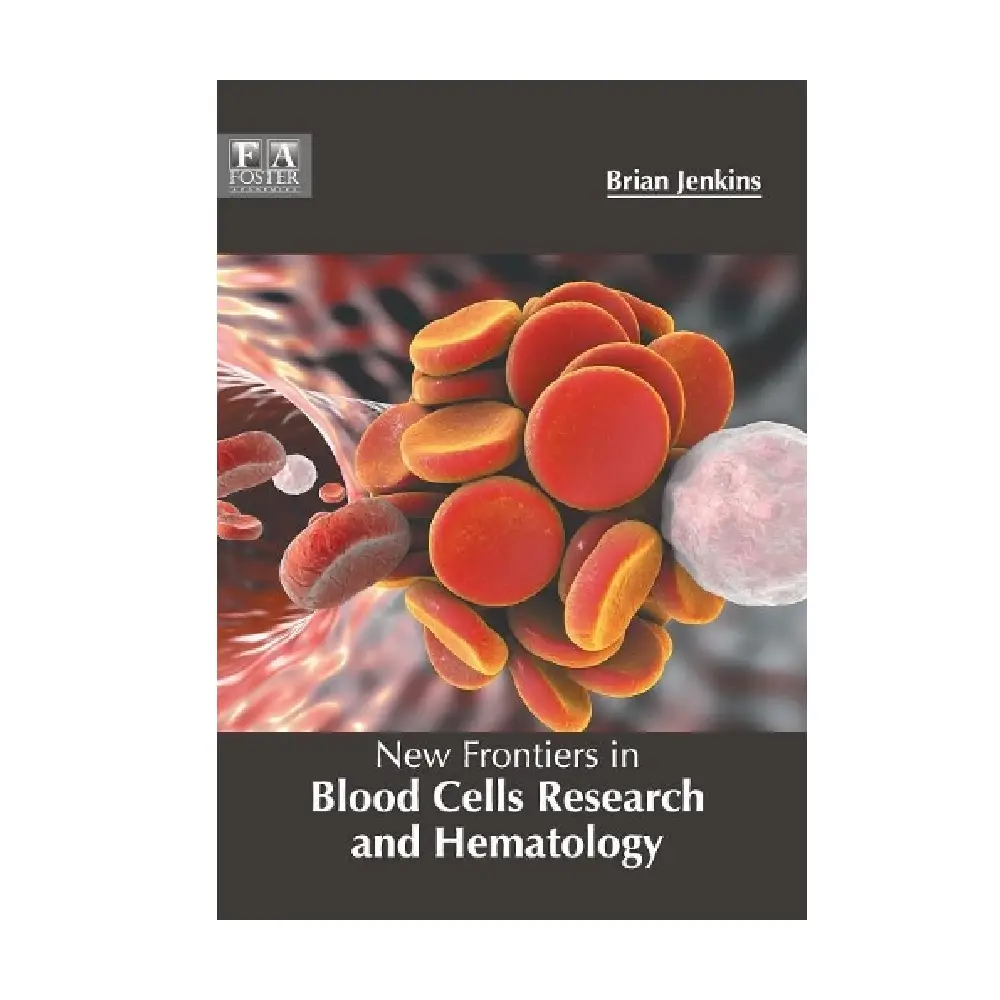
New Frontiers in Blood Cells Research and Hematology
Blood—the life-sustaining fluid that circulates through the body—is composed of diverse cell types that perform vital functions. Red blood cells (RBCs) deliver oxygen, white blood cells (WBCs) defend against infection, and platelets maintain vascular integrity by promoting clotting. Hematology, the scientific study of these cells and blood disorders, has been transforming rapidly in the last few decades. New Frontiers in Blood Cells Research and Hematology encompasses the latest advances in understanding blood cell biology, disease mechanisms, diagnostic technologies, and therapeutic strategies.
1. Advances in Blood Cell Biology
Modern research has reshaped our understanding of how blood cells develop and function. Hematopoiesis—the process of blood cell formation—begins in the bone marrow from pluripotent hematopoietic stem cells (HSCs). These rare cells have the unique ability to self-renew and differentiate into all blood lineages. Recent studies have uncovered complex regulatory networks involving transcription factors, epigenetic modifications, and signaling pathways that orchestrate lineage commitment.
One major frontier is the role of the bone marrow microenvironment or “niche.” The niche not only supports HSC survival but also influences fate decisions, balancing between quiescence and proliferation. Disruptions in this niche can lead to ineffective hematopoiesis or diseases such as leukemia.
Another exciting area involves the plasticity of mature blood cells. Advanced single-cell sequencing technologies have shown that some differentiated cells can revert to more primitive states under stress or injury, challenging traditional hierarchical models. Understanding this plasticity may offer novel regenerative medicine strategies.
2. Diagnosis and Monitoring: Precision Technologies
Diagnostic technologies in hematology have become exponentially more sensitive and specific. Traditional techniques like complete blood count (CBC) and microscopic examination remain foundational, but cutting-edge tools now enable molecular and functional insights.
Flow cytometry revolutionizes clinical diagnostics by sorting cells based on surface markers, allowing precise enumeration of subpopulations such as leukemic blasts or immune subsets. Next-generation sequencing (NGS) has transformed the identification of genetic mutations in hematologic malignancies, enabling clinicians to detect minimal residual disease (MRD) and tailor therapies.
Emerging tools like mass cytometry (CyTOF) and single-cell RNA sequencing (scRNA-seq) provide unparalleled resolution of cellular states and trajectories. These technologies help reveal cellular heterogeneity within diseases like acute myeloid leukemia (AML), informing prognosis and treatment strategies.
3. Molecular Mechanisms of Blood Disorders
Understanding disease mechanisms at the molecular level has accelerated therapeutic innovation. Inherited anemias such as sickle cell disease (SCD) and thalassemias result from specific gene mutations affecting hemoglobin structure or production. New research has elucidated how these aberrant proteins lead to red cell deformability, hemolysis, and chronic inflammation.
In myeloid malignancies, recurrent mutations in genes like FLT3, DNMT3A, and TP53 drive clonal expansion. Chromosomal translocations, such as BCR-ABL in chronic myeloid leukemia (CML), have become classic models for targeted therapy development. In addition, aberrant epigenetic landscapes influence gene expression and leukemogenesis, making enzymes like histone methyltransferases potential drug targets.
A major frontier is the study of immune dysregulation in hematologic disease. For example, aberrant T-cell function plays a role in both lymphoid malignancies and autoimmune cytopenias. Understanding how immune checkpoints and microenvironment interactions influence disease progression informs immunotherapy approaches.
4. Therapeutic Innovations
Hematology has been at the forefront of therapeutic breakthroughs. A landmark success was the development of tyrosine kinase inhibitors (TKIs) for CML, turning a once-fatal leukemia into a manageable chronic condition. Targeted therapies against FLT3, IDH1/2, and BCL2 have improved outcomes in AML and other malignancies.
Perhaps the most transformative frontier is gene therapy and gene editing. In inherited blood disorders like SCD and beta-thalassemia, CRISPR-based editing of patient HSCs to correct pathogenic variants or reactivate fetal hemoglobin production has shown promising clinical results. These approaches aim to provide curative solutions with a single treatment.
CAR-T cell therapy—where a patient’s T cells are engineered to target cancer antigens—has revolutionized treatment for certain leukemias and lymphomas. Expanding CAR-T modalities to myeloid malignancies and off-the-shelf allogeneic products remains a critical area of research.
Other innovative therapies include bispecific antibodies that engage immune effector cells to target tumors and small-molecule inhibitors that disrupt oncogenic pathways. Combination strategies are increasingly used to prevent resistance and improve durability of responses.
5. Hemostasis and Platelet Research
Platelets are essential for stopping bleeding, but dysregulated clotting can cause life-threatening thrombosis. New research reveals intricate platelet signaling networks and their roles beyond hemostasis, including inflammation, cancer metastasis, and immune regulation. Novel antiplatelet agents aim to reduce thrombotic risk with minimal bleeding complications.
6. Challenges and Future Directions
Despite remarkable progress, challenges remain. Many blood cancers still have poor long-term survival rates, and resistance to targeted therapies can emerge. Accessibility and cost of advanced therapies like gene editing and CAR-T cells limit their global reach.
Understanding the interplay between genetics, epigenetics, and the immune system will be key to next-generation precision therapies. Artificial intelligence and machine learning are being integrated into diagnostics for pattern recognition and risk prediction.
Increasingly, research is focusing on aging hematopoiesis, as age-related changes in HSC function contribute to anemia, immunosenescence, and susceptibility to malignancies. Investigating how lifestyle, metabolism, and inflammation influence blood cell biology could pave the way for preventive strategies.
Conclusion
The field of blood cells research and hematology stands at an exhilarating crossroads. Integrating molecular biology, advanced diagnostics, immunology, and gene-based therapies is redefining how blood disorders are understood and treated. As knowledge deepens and technologies evolve, the promise of more effective, personalized, and curative therapies grows ever closer, offering hope for patients with both common and rare hematologic conditions.
Reviews
There are no reviews yet