
Neuropathology Review, 2nd Ed
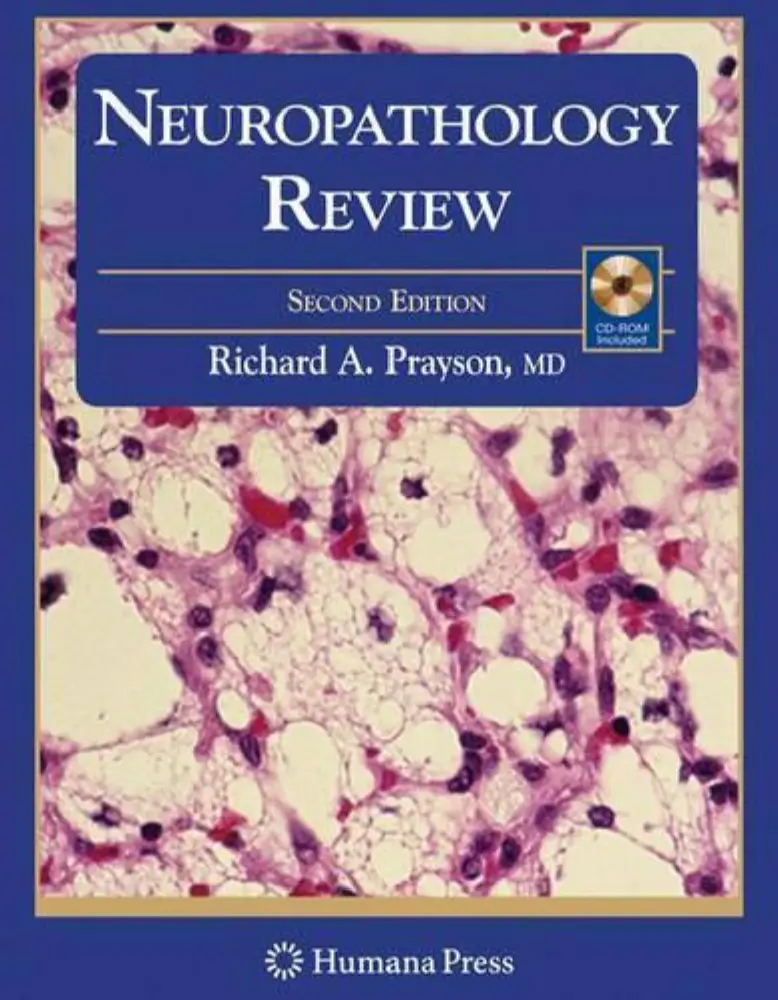
Neuropathology Review, 2nd Edition by Richard A. Prayson is a concise yet comprehensive resource designed to help students and clinicians master the essential concepts of neuropathology. Published by Humana Press, this book is particularly valuable for residents and trainees in pathology, neurology, and neurosurgery who are preparing for examinations or seeking a structured review of the subject.
One of the defining features of this book is its outline-based format, which presents complex information in a simplified and easy-to-digest manner. Instead of lengthy descriptive paragraphs, the content is organized into bullet points and short sections, making it ideal for quick revision and reinforcement of key concepts. The book aims to summarize the vast and rapidly expanding field of neuropathology into a manageable and accessible format, helping learners focus on the most clinically relevant information.
The text is divided into three major sections, each designed to address different aspects of learning. The first section provides a concise overview of fundamental neuropathological principles, including normal histology of the nervous system and the pathological basis of various neurological diseases. Topics covered include vascular disorders, tumors of the central nervous system, traumatic injuries, congenital malformations, demyelinating diseases, infections, metabolic and toxic conditions, and neurodegenerative disorders.
The second section of the book focuses on image-based learning and case discussions. It includes numerous gross and microscopic images of neuropathological specimens, presented in a question-and-answer format. These visual cases help readers develop diagnostic skills by correlating histological findings with clinical conditions. The inclusion of such images enhances pattern recognition, which is crucial in neuropathology practice.
The third section consists of self-assessment questions and answers, which are designed to test the reader’s understanding of the material. These questions simulate real examination scenarios and encourage active learning. By attempting these questions, students can identify their strengths and weaknesses, reinforcing their knowledge and improving exam performance. The book includes a large number of questions, making it a valuable tool for board and in-service exam preparation.
Another important aspect of this edition is its emphasis on integration of clinical and pathological knowledge. The book connects morphological findings with clinical presentations, helping readers understand how neuropathological changes manifest in patients. This approach not only aids in diagnosis but also enhances clinical reasoning skills, making it useful for both laboratory-based and clinical professionals.
The second edition has been updated to include newer concepts and additional questions, reflecting advances in neuroscience and pathology. It builds upon the success of the first edition by expanding its question bank and refining its content to better meet the needs of modern learners. The inclusion of updated material ensures that readers are exposed to current knowledge and practices in the field.
A unique feature of the book is its interactive learning approach, particularly when used alongside its accompanying digital or CD resources (in some versions). These tools allow users to engage with quiz cases and review material in a dynamic way, further enhancing the learning experience.
However, it is important to note that this book is primarily a review resource rather than a comprehensive textbook. It assumes that the reader already has a basic understanding of neuropathology and is best used as a supplementary tool for revision rather than as a primary source of learning.
In conclusion, Neuropathology Review, 2nd Edition is an effective and practical study aid for those involved in neuroscience-related disciplines. Its concise format, extensive question bank, and integration of visual and textual learning make it an excellent resource for exam preparation and quick reference. By focusing on key concepts and clinical relevance, the book successfully simplifies a complex subject and supports efficient learning.




Reviews
There are no reviews yet