
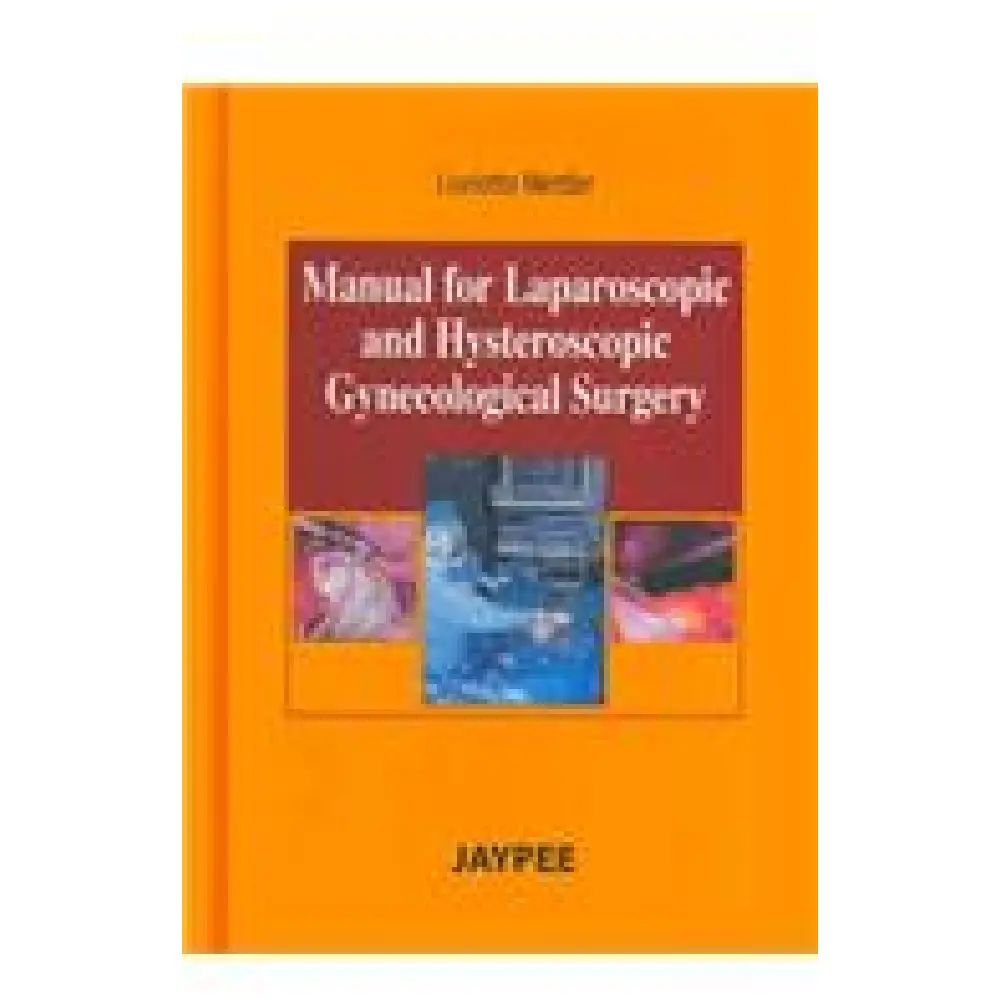
Manual for Laparoscopic and Hysteroscopic Gynecological Surgery
The Manual for Laparoscopic and Hysteroscopic Gynecological Surgery is a highly practical medical textbook designed to provide comprehensive guidance on minimally invasive surgical techniques in gynecology. Written by experts in the field, this book serves as an essential reference for surgeons, gynecologists, and medical trainees who wish to develop proficiency in laparoscopic and hysteroscopic procedures. With the rapid advancement of endoscopic surgical methods, this manual plays a significant role in modern gynecological practice by promoting safe, effective, and evidence-based surgical intervention.
The primary focus of the book is to introduce the fundamental principles of laparoscopic and hysteroscopic surgery, including patient selection, preoperative evaluation, operative setup, and postoperative care. It explains the scientific basis of minimally invasive surgery and highlights the advantages of these techniques over traditional open surgical methods. These advantages include reduced postoperative pain, shorter hospital stay, minimal blood loss, faster recovery, and improved cosmetic outcomes. The book is particularly useful for beginners as it simplifies complex surgical concepts into understandable clinical instructions.
Instrumentation and surgical environment are key components discussed in this manual. The text provides detailed information about endoscopic surgical instruments, including optical systems, energy sources, graspers, scissors, and other specialized tools used in minimally invasive gynecological surgery. Proper handling and maintenance of instruments are emphasized to ensure patient safety and surgical efficiency. The book also explains operating room setup, patient positioning, and sterilization protocols necessary for successful surgical outcomes.
Another important aspect covered in the book is diagnostic and operative hysteroscopy. Hysteroscopy is widely used for evaluating and treating intrauterine pathologies such as fibroids, polyps, adhesions, and congenital uterine abnormalities. The manual explains hysteroscopic visualization techniques, uterine cavity distension methods, and surgical maneuvers required for intrauterine lesion removal. Step-by-step procedural descriptions help trainees understand how to perform hysteroscopic surgery with precision and confidence.
Laparoscopic surgical procedures are discussed in great detail, including common gynecological operations such as ectopic pregnancy management, ovarian cystectomy, adhesiolysis, and endometriosis treatment. The book provides clinical insights into abdominal entry techniques, creation of pneumoperitoneum, and identification of pelvic anatomy during laparoscopic visualization. Special attention is given to preventing intraoperative complications such as vascular injury, bowel damage, and excessive bleeding.
The text also addresses the management of complications associated with endoscopic gynecological surgery. Complication prevention is a major theme throughout the manual, as patient safety is a primary concern in minimally invasive procedures. The authors discuss strategies for avoiding operative errors, recognizing intraoperative hazards, and managing unexpected surgical events.
Illustrations and diagrams are an important feature of this textbook. The visual representation of surgical anatomy and procedural steps enhances learning and helps readers grasp complex operative techniques. The combination of descriptive text and visual aids makes the book suitable for both academic study and clinical practice.
Postoperative care and follow-up management are also covered extensively. The manual explains pain control strategies, infection prevention measures, and monitoring protocols after laparoscopic and hysteroscopic surgery. Emphasis is placed on early detection of postoperative complications and appropriate patient counseling.
This book is widely used by postgraduate medical students, practicing gynecologists, and surgical fellows who are training in endoscopic surgery. It serves as a bridge between theoretical knowledge and clinical application. The practical orientation of the manual makes it particularly valuable for hands-on surgical training programs.
In conclusion, Manual for Laparoscopic and Hysteroscopic Gynecological Surgery is an authoritative guide to modern minimally invasive gynecological surgery. By combining scientific principles, procedural guidance, and clinical experience, the book supports the development of safe surgical skills and improves patient outcomes in gynecological endoscopy.




Reviews
There are no reviews yet