
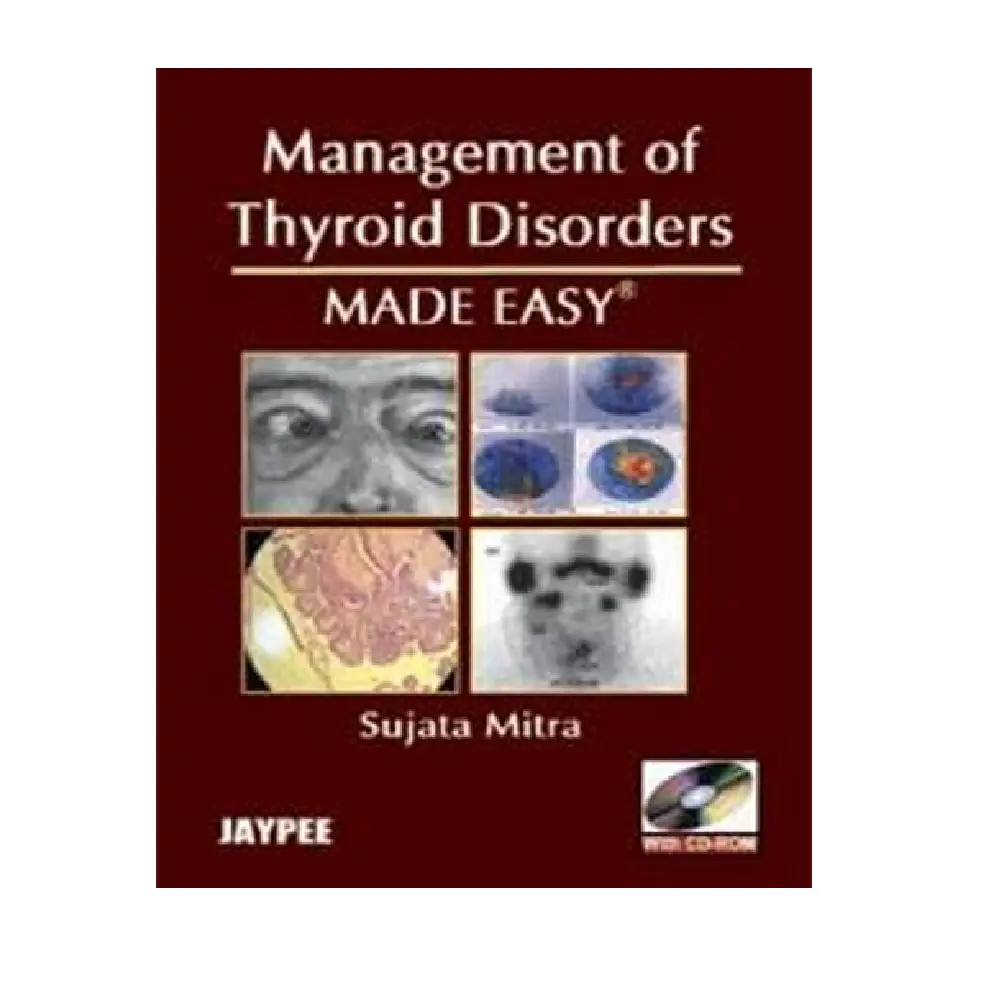
Management of Thyroid Disorders
Thyroid disorders are among the most common endocrine conditions encountered in clinical practice, affecting individuals of all ages and genders. The thyroid gland plays a critical role in regulating metabolism, growth, and development through the secretion of thyroid hormones. Disorders of thyroid function may result in hormone excess, deficiency, or structural abnormalities, each requiring a tailored management approach. Effective management of thyroid disorders depends on accurate diagnosis, understanding of disease mechanisms, and individualized treatment strategies.
Evaluation and Diagnosis
The management of thyroid disorders begins with a thorough clinical assessment. Symptoms of thyroid dysfunction are often nonspecific and may overlap with other medical conditions. Hyperthyroidism may present with weight loss, heat intolerance, palpitations, tremor, and anxiety, whereas hypothyroidism commonly causes fatigue, weight gain, cold intolerance, and cognitive slowing.
Laboratory evaluation is central to diagnosis and includes measurement of thyroid-stimulating hormone (TSH) and free thyroid hormones (free T4 and sometimes free T3). Autoimmune markers such as thyroid peroxidase antibodies and TSH receptor antibodies aid in identifying autoimmune thyroid disease. Imaging studies, including thyroid ultrasound and radionuclide scans, are used to evaluate structural abnormalities and functional status when indicated.
Management of Hypothyroidism
Hypothyroidism is most commonly caused by autoimmune thyroiditis. The mainstay of treatment is levothyroxine replacement therapy, which aims to restore euthyroidism and alleviate symptoms. Dosage is individualized based on age, body weight, comorbidities, and pregnancy status.
Regular monitoring of TSH levels is essential to ensure adequate replacement and avoid overtreatment. Special consideration is required in elderly patients and those with cardiovascular disease, in whom therapy should be initiated at lower doses and titrated cautiously.
Management of Hyperthyroidism
Hyperthyroidism may result from Graves’ disease, toxic multinodular goiter, or thyroiditis. Treatment options include antithyroid drugs, radioactive iodine therapy, and surgery. Antithyroid medications such as methimazole are often used as first-line therapy, particularly in mild disease or as a bridge to definitive treatment.
Radioactive iodine is an effective and widely used option for definitive treatment, while surgery is reserved for selected cases such as large goiters, suspected malignancy, or patient preference. Beta-blockers are commonly prescribed for symptomatic control.
Management of Thyroid Nodules and Goiter
Thyroid nodules are common and often discovered incidentally. Evaluation includes ultrasound assessment and fine-needle aspiration biopsy based on nodule size and ultrasound characteristics. Management depends on the risk of malignancy, with options ranging from observation to surgical intervention.
Goiter management focuses on addressing underlying thyroid dysfunction and relieving compressive symptoms when present.
Special Populations and Long-Term Care
Pregnancy, childhood, and elderly populations require special management considerations. Thyroid disorders in pregnancy can have significant maternal and fetal consequences, necessitating close monitoring and dose adjustments. Long-term follow-up is essential for most thyroid disorders to monitor disease progression, treatment response, and complications.
Conclusion
The management of thyroid disorders requires a comprehensive and individualized approach. Advances in diagnostics and treatment have improved outcomes, but careful monitoring and patient education remain essential. By integrating clinical assessment with evidence-based therapy, clinicians can effectively manage thyroid disorders and improve patient quality of life.


Reviews
There are no reviews yet