
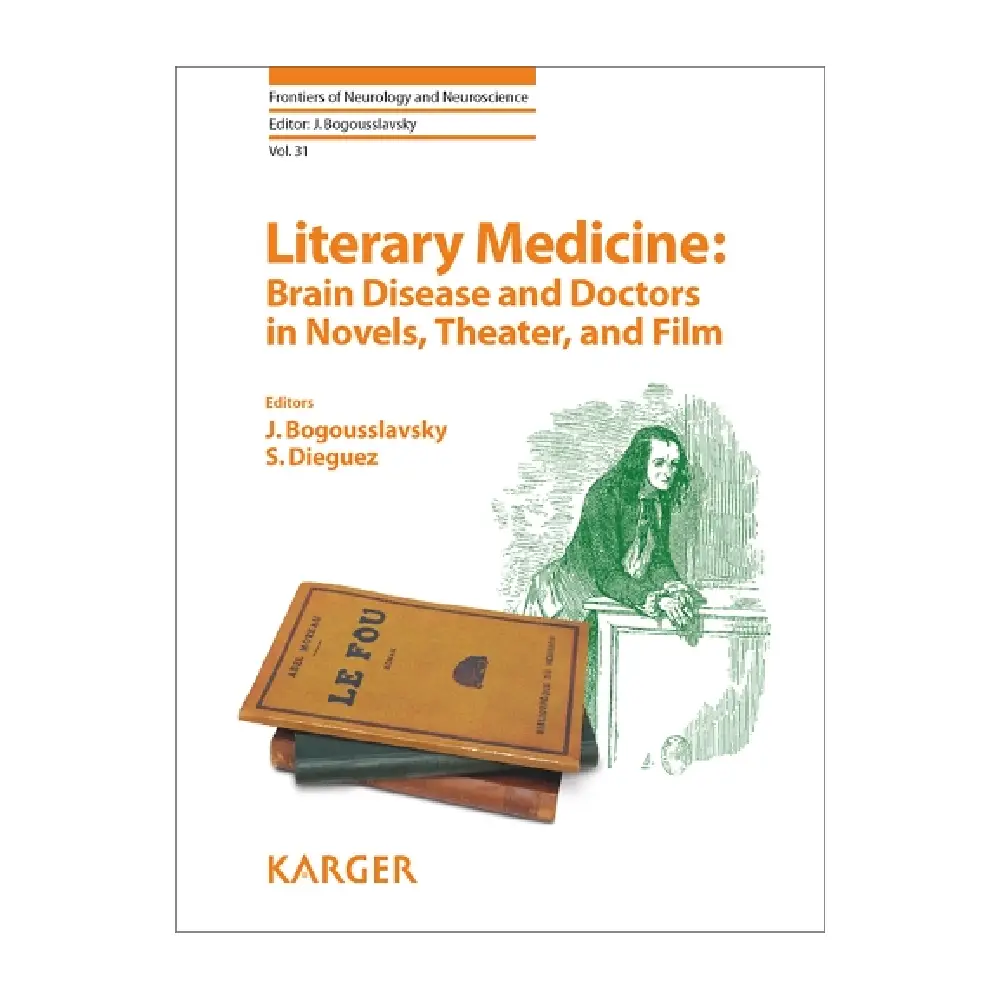
Literary Medicine: Brain Disease and Doctors in Novels, Theater, and Film
Literary medicine is an interdisciplinary field that explores how illness, healing, and medical professionals are represented in literature and the arts. Within this broad domain, the portrayal of brain disease and doctors occupies a particularly compelling space. Disorders of the brain challenge not only bodily function but also identity, memory, morality, and consciousness—qualities that literature, theater, and film are uniquely equipped to explore. Through narrative and performance, these media translate neurological disease into human experience, fostering empathy and deeper understanding beyond clinical descriptions.
Brain Disease as Narrative Catalyst
Neurological disorders often serve as powerful narrative devices. Conditions such as epilepsy, dementia, stroke, Parkinson’s disease, brain tumors, and psychiatric illnesses reshape characters’ inner worlds and relationships. In novels, brain disease frequently symbolizes vulnerability and the fragility of the self. For example, memory loss narratives dramatize the erosion of identity, while aphasia or paralysis highlight the disconnect between thought and expression.
Writers use neurological illness to ask profound questions: Who are we when memory fails? How does disease alter moral responsibility? Where does the self reside when the brain is damaged? These questions extend beyond medicine into philosophy and ethics, making brain disease an enduring subject in literary medicine.
Doctors as Characters and Moral Agents
Physicians in literary and cinematic works are rarely neutral technicians. They are portrayed as moral agents, witnesses, and sometimes antagonists, shaped by the power they hold over vulnerable minds and bodies. Neurologists, psychiatrists, and neurosurgeons often appear as figures struggling to balance scientific detachment with compassion.
In some narratives, doctors embody hope and intellectual mastery, using observation and reasoning to unravel mysterious symptoms. In others, they represent authority, paternalism, or the limits of medical knowledge. These portrayals reflect changing societal attitudes toward medicine—from reverence for the doctor as healer to skepticism about over-medicalization and ethical boundaries.
The Theater of the Mind
Theater has long been a fertile ground for exploring brain disease because of its focus on dialogue, presence, and psychological depth. Plays depicting madness, cognitive decline, or neurological trauma often place the audience inside the character’s altered perception. Techniques such as fragmented dialogue, repetition, and silence mirror neurological dysfunction, allowing spectators to experience illness rather than simply observe it.
Doctors in theatrical works frequently act as intermediaries between the audience and the patient, explaining, questioning, or interpreting symptoms. At times, they become part of the drama themselves, confronting uncertainty, failure, and emotional involvement.
Film and the Visual Language of Neurology
Film offers unique tools to represent brain disease through visual and auditory storytelling. Cinematic techniques—distorted imagery, non-linear timelines, altered soundscapes—can simulate hallucinations, memory loss, or impaired cognition. Stroke, traumatic brain injury, and neurodegenerative diseases are often depicted through changes in pacing and perspective, immersing viewers in the subjective experience of illness.
Doctors in film range from heroic innovators to flawed human beings navigating ethical dilemmas. Films frequently explore tensions between experimental treatment and patient autonomy, especially in cases involving consciousness, personality change, or end-of-life decisions.
Ethics, Empathy, and the Human Brain
A central contribution of literary medicine is its emphasis on empathy and ethical reflection. Stories about brain disease highlight the lived experience of patients—fear, confusion, stigma, and resilience—elements often underrepresented in clinical discourse. They also expose ethical challenges faced by doctors, including informed consent, truth-telling, and the treatment of patients with impaired decision-making capacity.
By engaging with these narratives, readers and viewers gain insight into how neurological illness affects families, caregivers, and society at large. For medical professionals, such works can deepen understanding of patient perspectives and improve communication and compassionate care.
Educational Value of Literary Medicine
In medical education, literature, theater, and film are increasingly used to teach neurology, psychiatry, and medical humanities. Narrative representations of brain disease help students grasp complex concepts such as neuroplasticity, cognitive decline, and psychosocial impact. They also encourage reflection on professional identity, emotional resilience, and the doctor–patient relationship.
Conclusion
Literary Medicine: Brain Disease and Doctors in Novels, Theater, and Film reveals how artistic narratives illuminate the biological, psychological, and ethical dimensions of neurological illness. By bridging science and storytelling, literary medicine enriches our understanding of the brain not merely as an organ, but as the foundation of human experience. Through novels, stage, and screen, brain disease becomes a lens through which society examines identity, compassion, and the limits of medicine itself.




Reviews
There are no reviews yet