

Introduction
Lippincott’s Illustrated Reviews – Biochemistry, 2nd South Asian Edition is a comprehensive and visually rich biochemistry textbook tailored especially for undergraduate medical students, particularly those following the Competency-Based Medical Education (CBME) curriculum in South Asia. With clear explanations, abundant illustrations, and clinical correlations, it helps learners grasp and retain the complex concepts of biochemistry essential for medical practice and examinations.
Purpose and Target Audience
This edition is designed to help students:
-
Understand core biochemical principles in a structured and approachable format.
-
Connect biochemical concepts to clinical practice — a must for medical students.
-
Prepare effectively for internal exams, viva voce, and competitive tests such as NEET-PG, FMGE, and others.
Its South Asian edition includes updates that align with medical curricula in India and neighboring regions, making it more relevant than standard international versions.
Structure and Content
With 872 pages of curated content, the book is broadly organized into thematic sections covering the entire MBBS first-year biochemistry syllabus.
1. Fundamental Concepts and Macromolecules
The book begins with the building blocks of life — amino acids, carbohydrates, lipids, and nucleic acids. These chapters lay the foundation for understanding how biomolecules contribute to cell structure and function:
-
Amino acid chemistry, protein structure and function
-
Carbohydrate metabolism
-
Lipids and membrane biology
Abundant diagrams break down complex pathways into intuitive visual maps, helping students memorize pathways with context rather than rote repetition.
2. Enzymology and Metabolic Pathways
A major portion of the book focuses on enzymes and metabolism, including:
-
Bioenergetics and carbohydrate metabolism (glycolysis, TCA cycle, gluconeogenesis)
-
Lipid and protein metabolism
-
Metabolism of nucleic acids
-
Integration of metabolic pathways
Illustrated pathways with annotations make biochemical reactions easier to visualize and understand — a hallmark of the Lippincott Illustrated Reviews series.
3. Clinical and Applied Biochemistry
Recognizing that medical students must apply biochemistry clinically, this edition emphasizes clinical correlations:
-
Diabetes mellitus and metabolic disorders
-
Lipid abnormalities and cardiovascular risk
-
Enzyme defects and inborn errors of metabolism
-
Organ function tests (liver, kidney)
-
Electrolyte imbalance
Such clinical focus helps bridge the gap between basic science and real-world patient care — a critical component for future physicians.
Unique Features
A. Visual Learning
The textbook uses full-color illustrations, flowcharts, tables, and annotated diagrams to break down difficult topics into digestible visuals. This aids visual memory and concept retention far better than text-only material.
B. CBME Alignment
Specifically maintained for South Asia, the book meets the requirements of the Indian Medical Council of India’s CBME curriculum by covering competencies that are expected of first-year medical graduates.
C. High-Yield Review Material
At the end of each chapter, the edition typically provides:
-
Summary tables and key points
-
Multiple-choice questions (MCQs)
-
Review exercises and clinical scenarios
These features are extremely useful for exam preparation and reinforcing mastery of complex concepts.
D. Integration with Practice
Cases and clinical notes show how biochemical abnormalities manifest in actual conditions — for example, interpreting electrolyte changes in dehydration or enzyme levels in liver disease. This application-based approach fosters deeper learning.
Why Students Prefer this Book
1. Clarity with Depth
Unlike dense encyclopedic texts, Lippincott’s strikes a balance — detailed enough for conceptual clarity but presented in a way that does not overwhelm learners.
2. Exam-Oriented
With structured review questions and concise summaries, it makes revision efficient — especially useful for rigorous MBBS and PG entrance preparation.
3. Visual Emphasis
Students report that the illustrations and annotated pathways significantly boost understanding compared to standard text books.
Challenges and Limitations
While highly effective, students may need to supplement this book with:
-
Detailed lecture notes for curriculum-specific topics
-
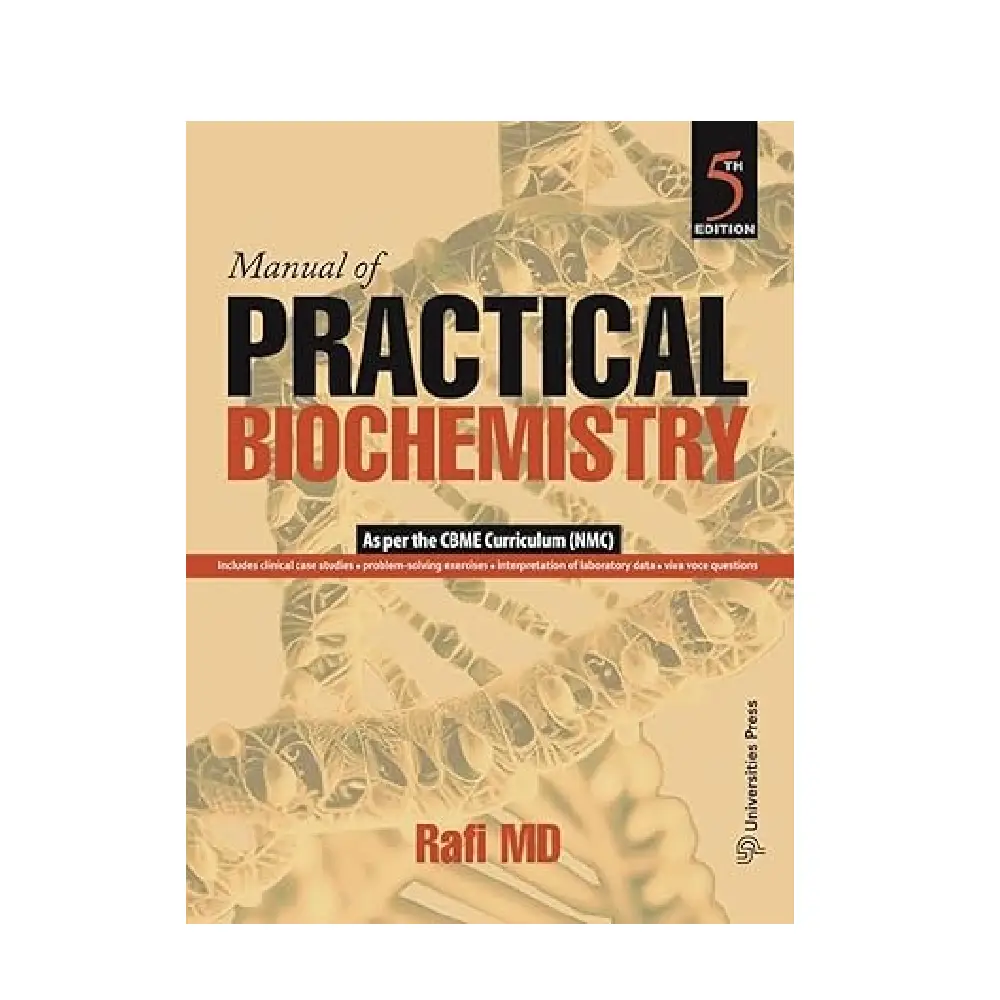
Practical biochemistry manuals for hands-on lab skills
-
Additional resources for advanced molecular biology or research-oriented study
The focus on clarity and pedagogy may trade off some depth compared with research-level texts, meaning it is best paired with a standard reference for deeper dives.
Conclusion
Lippincott’s Illustrated Reviews – Biochemistry, 2nd South Asian Edition remains one of the most valuable textbooks for medical biochemistry due to its visual clarity, clinical relevance, and exam-focused design. Whether you’re a first-year MBBS student just beginning your journey or preparing for competitive exams, this book provides a solid foundation that makes biochemistry understandable and memorable. Its emphasis on clinical integration, supported by excellent illustrations and review exercises, makes it a go-to resource in medical education.




Reviews
There are no reviews yet