
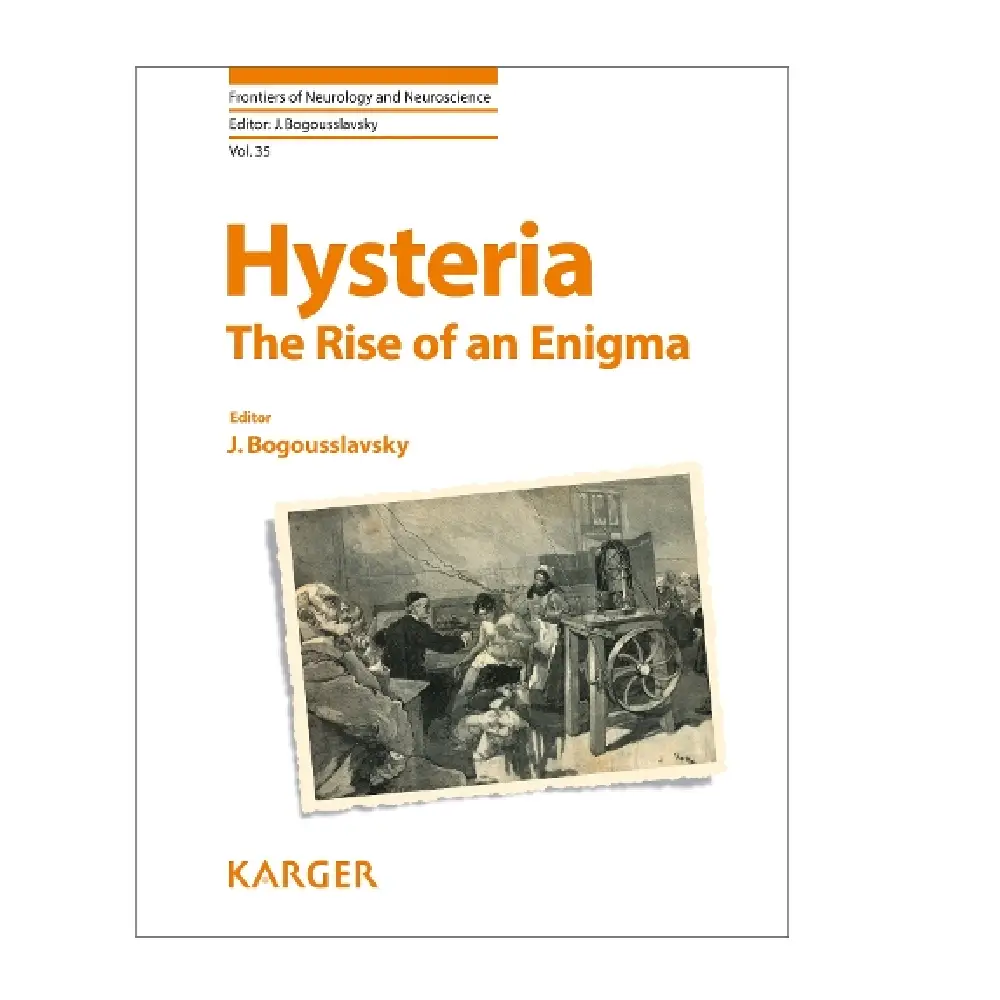
Hysteria: The Rise of an Enigma
Hysteria is one of the most intriguing and controversial concepts in the history of medicine. For centuries, it occupied a central place in explanations of unexplained physical and psychological symptoms, particularly those that defied anatomical or physiological understanding. The rise of hysteria as a medical enigma reflects changing ideas about the body, mind, gender, and culture, as well as the evolving boundaries between neurology, psychiatry, and psychology.
Origins of the Concept
The term hysteria originates from the Greek word hystera, meaning uterus. In ancient medicine, particularly in the writings of Hippocrates, hysteria was believed to be a disorder unique to women, caused by a “wandering womb” that moved within the body and produced a range of symptoms such as paralysis, seizures, choking sensations, and emotional disturbances. This early interpretation linked hysteria closely to female biology and reinforced gendered assumptions that persisted for centuries.
During the Middle Ages, hysterical symptoms were often interpreted through religious or supernatural frameworks. Possession, witchcraft, or moral weakness were commonly invoked explanations, reflecting limited medical knowledge and strong theological influence on disease concepts.
Hysteria in Early Modern Medicine
With the rise of scientific medicine in the seventeenth and eighteenth centuries, hysteria gradually shifted from supernatural explanations toward naturalistic ones. Physicians began to locate hysteria in the nervous system rather than the uterus, broadening its scope to include men as well as women. Symptoms remained diverse and puzzling, ranging from sensory loss and motor paralysis to fainting, amnesia, and dramatic emotional displays.
Despite these advances, hysteria continued to function as a diagnosis of exclusion—a label applied when no organic cause could be found. This ambiguity contributed to its reputation as an enigma and allowed the term to encompass a wide variety of unexplained phenomena.
The Nineteenth Century and the Golden Age of Hysteria
The nineteenth century marked the height of hysteria’s medical prominence. In Paris, neurologist Jean-Martin Charcot studied hysteria at the Salpêtrière Hospital, where he used clinical observation, photography, and hypnosis to document its manifestations. Charcot argued that hysteria was a genuine neurological disorder with identifiable stages and signs, challenging the notion that it was merely feigned or imaginary.
Charcot’s work influenced a generation of physicians, including Sigmund Freud, who would later reinterpret hysteria through a psychological lens. Freud proposed that hysterical symptoms arose from unconscious conflicts and repressed emotions, often linked to traumatic experiences. This psychoanalytic model transformed hysteria into a cornerstone of early psychotherapy and reshaped understanding of the mind–body relationship.
Cultural and Social Dimensions
Hysteria was never purely a medical concept; it was deeply embedded in cultural and social contexts. The diagnosis often reflected contemporary anxieties about gender roles, sexuality, and social change. Women, in particular, were disproportionately labeled hysterical, reinforcing stereotypes of emotional instability and weakness.
Literature, art, and theater of the period mirrored and amplified medical ideas about hysteria. Dramatic portrayals of fainting women, nervous breakdowns, and emotional excess both reflected and shaped public perceptions, blurring the boundaries between medical science and cultural narrative.
Decline and Transformation of the Diagnosis
In the twentieth century, hysteria began to lose its status as a formal medical diagnosis. Advances in neurology, psychiatry, and psychology led to more specific classifications of disorders. Conditions once labeled as hysteria were redefined as conversion disorder, somatic symptom disorder, dissociative disorders, or functional neurological disorders.
This shift reflected a growing discomfort with the vagueness and gender bias of the term. Nevertheless, the underlying clinical challenge—patients presenting with real and disabling symptoms without clear structural pathology—remained central to medical practice.
Legacy of an Enigma
Although hysteria has largely disappeared from modern diagnostic manuals, its legacy endures. It played a crucial role in shaping concepts of psychosomatic illness, the unconscious mind, and the interaction between psychological distress and physical symptoms. The debates surrounding hysteria forced medicine to confront the limits of purely biological explanations and to acknowledge the complexity of human experience.
Conclusion
Hysteria: The Rise of an Enigma traces the evolution of a diagnosis that stood at the crossroads of medicine, culture, and psychology. From ancient theories of the wandering womb to modern understandings of functional disorders, hysteria reveals how medical knowledge is shaped by scientific insight as well as social values. Its history serves as a reminder that illness is not only a biological phenomenon but also a deeply human and cultural one.



Reviews
There are no reviews yet