
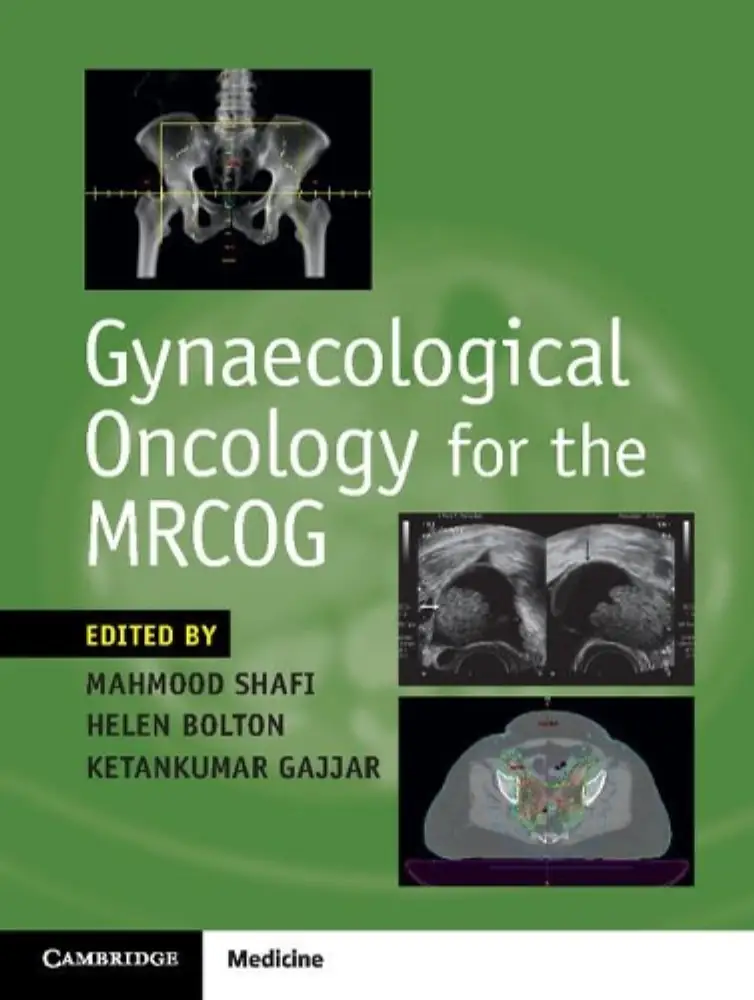
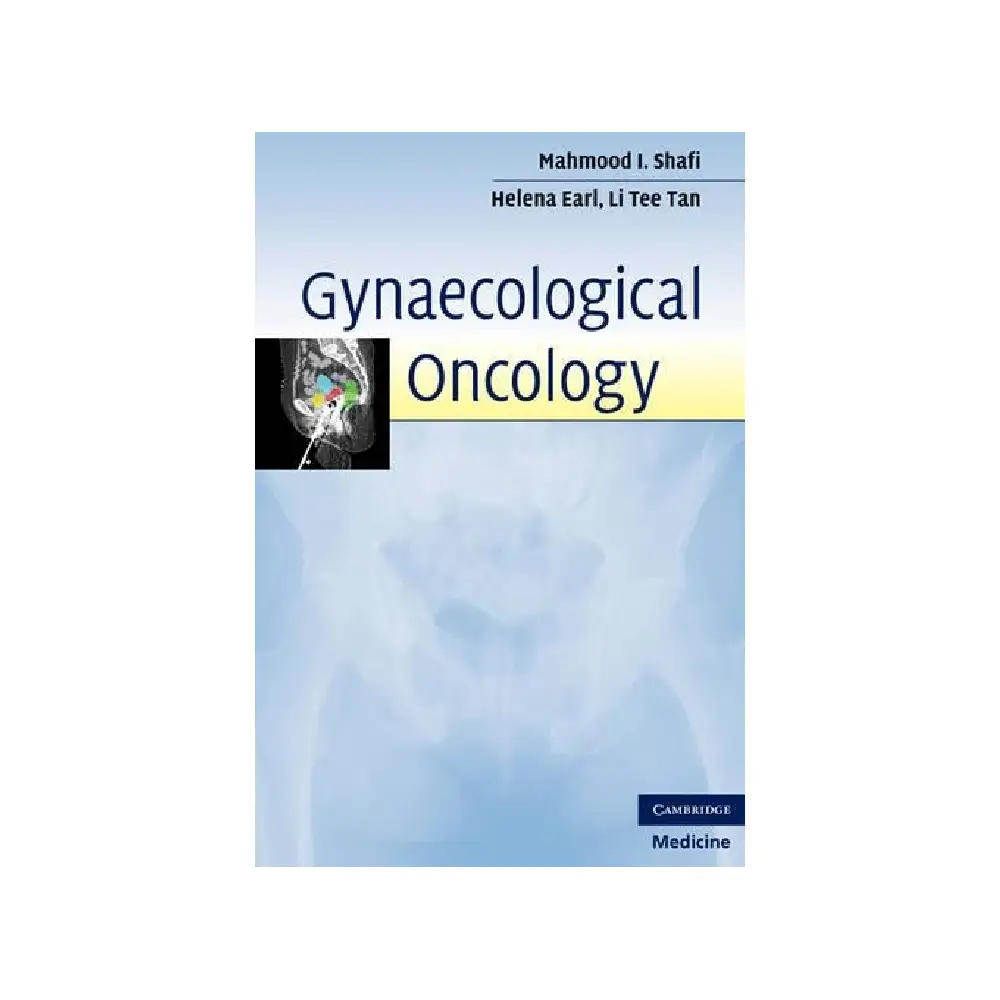
Gynaecological Oncology for the MRCOG – Summary (630 words)
Gynaecological Oncology for the MRCOG is a focused revision guide designed specifically for candidates preparing for the Membership of the Royal College of Obstetricians and Gynaecologists (MRCOG) examinations. The book provides a structured and clinically relevant overview of cancers affecting the female reproductive system, combining essential theoretical knowledge with practical guidance aligned to exam requirements and real-world clinical practice.
The text begins with foundational concepts in oncology, including the biology of cancer, mechanisms of carcinogenesis, tumour progression, and metastasis. It explains how genetic mutations, environmental influences, and hormonal factors contribute to the development of gynaecological malignancies. This section also introduces staging systems, particularly the FIGO classification, which is crucial for diagnosis, treatment planning, and exam preparation. Principles of cancer screening and prevention are emphasized, with detailed discussions on cervical screening programs, HPV vaccination, and risk-reducing strategies.
A major strength of the book lies in its systematic coverage of individual cancers. Cervical cancer is discussed extensively, including its epidemiology, association with human papillomavirus (HPV), and the progression from pre-invasive lesions to invasive disease. The authors highlight screening techniques such as Pap smears and HPV testing, as well as management approaches ranging from local excision procedures to chemoradiation for advanced stages.
Endometrial cancer is presented with a focus on its strong association with unopposed estrogen exposure, obesity, and metabolic disorders. The book outlines diagnostic pathways, including transvaginal ultrasound and endometrial biopsy, and explains surgical staging and treatment options. Ovarian cancer, often diagnosed at a late stage, is explored in detail with attention to genetic predisposition, especially BRCA mutations. The importance of multidisciplinary management, including cytoreductive surgery and chemotherapy, is clearly explained.
Other less common but clinically significant malignancies such as vulval and vaginal cancers are also included. These chapters provide insight into their presentation, risk factors, and management, ensuring comprehensive exam coverage. Additionally, gestational trophoblastic disease is addressed, with emphasis on its unique biology, high cure rates, and monitoring through beta-hCG levels.
The book integrates diagnostic methods throughout, including imaging techniques like ultrasound, CT, and MRI, as well as tumour markers such as CA-125. It emphasizes the importance of accurate staging and histopathological evaluation in guiding treatment decisions. The role of emerging technologies and minimally invasive procedures is also briefly discussed, reflecting current clinical trends.
Management strategies are presented in a clear and structured manner, covering surgery, chemotherapy, and radiotherapy. The principles of individualized patient care are highlighted, taking into account disease stage, patient age, fertility desires, and comorbidities. The text also addresses complications of treatment and the importance of follow-up care, surveillance, and early detection of recurrence.
An important component of the book is its focus on multidisciplinary care. It emphasizes collaboration among gynaecologists, oncologists, radiologists, pathologists, and specialist nurses to ensure optimal patient outcomes. Communication skills, ethical considerations, and patient counseling are also discussed, reflecting the holistic approach required in modern oncology practice.
For MRCOG candidates, the book is particularly valuable due to its exam-oriented format. Key points, summaries, and clinical scenarios help reinforce learning and improve retention. The content is concise yet comprehensive, making it suitable for both revision and quick reference. It aligns closely with the MRCOG syllabus, ensuring that candidates are well-prepared for both written and clinical components of the examination.
In conclusion, Gynaecological Oncology for the MRCOG is an essential resource for trainees seeking a clear, concise, and clinically relevant understanding of gynaecological cancers. Its structured approach, emphasis on core concepts, and alignment with exam requirements make it a highly effective study tool for achieving success in the MRCOG while also building a strong foundation for clinical practice.

Reviews
There are no reviews yet