
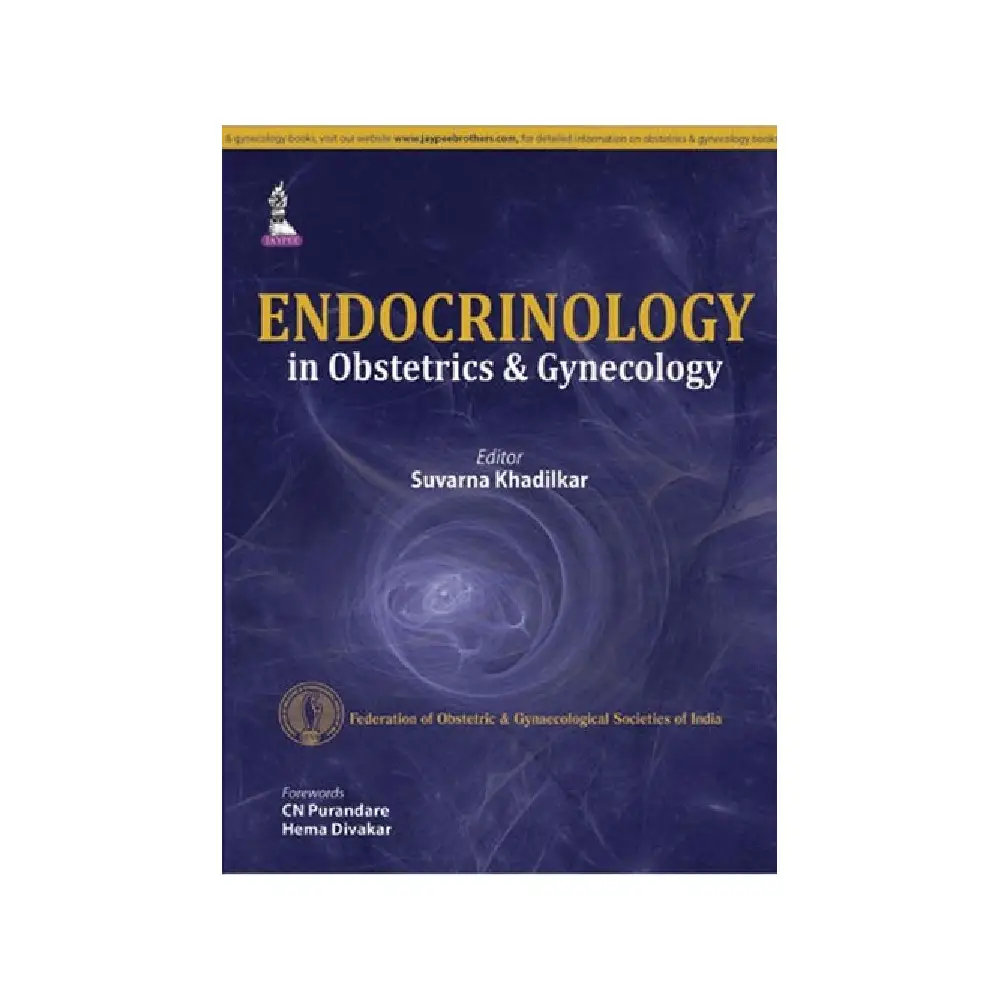
Endocrinology in Obstetrics & Gynecology
Endocrinology in Obstetrics & Gynecology is a comprehensive academic resource that explores the complex hormonal mechanisms underlying female reproductive health. Designed for postgraduate trainees, practicing obstetricians and gynecologists, and candidates preparing for professional examinations, this book bridges basic endocrine science with practical clinical application. It provides a structured and in-depth understanding of hormonal physiology, pathophysiology, and evidence-based management strategies across a broad spectrum of reproductive conditions.
The foundation of the book lies in a detailed explanation of the hypothalamic–pituitary–ovarian (HPO) axis. It discusses the regulation of gonadotropin-releasing hormone (GnRH), follicle-stimulating hormone (FSH), luteinizing hormone (LH), estrogen, progesterone, and prolactin. Clear diagrams and flowcharts illustrate feedback mechanisms and hormonal interplay, allowing readers to grasp the physiological control of the menstrual cycle and ovulation. This strong theoretical base enables clinicians to understand how disruptions in hormonal balance lead to disease.
Menstrual disorders are addressed extensively. Conditions such as amenorrhea, oligomenorrhea, dysmenorrhea, and abnormal uterine bleeding are explored from an endocrine perspective. The book provides systematic approaches to evaluation, including hormonal assays, imaging, and differential diagnosis. Special attention is given to polycystic ovary syndrome (PCOS), one of the most prevalent endocrine disorders affecting women of reproductive age. The discussion includes its metabolic implications, insulin resistance, diagnostic criteria, and current therapeutic options.
Infertility is another core area of focus. The text examines ovulatory dysfunction, diminished ovarian reserve, hyperprolactinemia, thyroid disorders, and adrenal abnormalities as endocrine causes of infertility. It explains ovarian reserve testing, interpretation of anti-Müllerian hormone (AMH) levels, and endocrine principles behind ovulation induction and assisted reproductive technologies (ART). The integration of laboratory findings with clinical management makes this section particularly practical.
Endocrinological changes during pregnancy are thoroughly covered. The book describes adaptations in thyroid function, glucose metabolism, and placental hormone production. Gestational diabetes mellitus, thyroid disease in pregnancy, and hypertensive disorders related to endocrine imbalance are explained with clear pathophysiological links. The role of human chorionic gonadotropin (hCG), placental lactogen, and other pregnancy-related hormones is detailed to highlight the dynamic hormonal environment of gestation.
Menopause and perimenopause receive dedicated attention. The endocrine transition associated with ovarian aging, fluctuating estrogen levels, and eventual estrogen deficiency are discussed in depth. Hormone replacement therapy (HRT), its indications, contraindications, benefits, and risks, are evaluated using current evidence-based guidelines. Long-term health considerations such as osteoporosis, cardiovascular disease, and cognitive changes are examined within the context of hormonal decline.
The book also addresses less common but clinically significant endocrine conditions. Congenital adrenal hyperplasia, Cushing’s syndrome, androgen-secreting tumors, and disorders of sexual development are explained with emphasis on diagnosis and multidisciplinary management. These chapters reinforce the importance of recognizing systemic endocrine disorders that manifest with gynecological symptoms.
Metabolic health and its interaction with reproductive endocrinology are highlighted throughout. Obesity, metabolic syndrome, insulin resistance, and their impact on fertility and pregnancy outcomes are discussed comprehensively. The text emphasizes lifestyle modification and preventive strategies alongside pharmacological interventions.
One of the strengths of this resource is its exam-oriented presentation. Summary tables, key learning points, and clinical algorithms facilitate efficient revision. Case-based discussions encourage analytical thinking and help readers apply theoretical knowledge to real-world scenarios. The writing style is clear, concise, and academically rigorous, ensuring both accessibility and depth.
Additionally, the book reflects recent advances in molecular endocrinology, genetics, and personalized medicine. Emerging topics such as endocrine disruptors and reproductive immunology are introduced to broaden the reader’s perspective beyond traditional frameworks.
In conclusion, Endocrinology in Obstetrics & Gynecology is a comprehensive and clinically integrated resource that successfully connects hormonal physiology with practical patient care. Its balanced approach—combining foundational science, updated evidence, and exam-focused learning—makes it an essential reference for trainees and specialists seeking mastery in reproductive endocrinology within obstetrics and gynecology.




Reviews
There are no reviews yet