

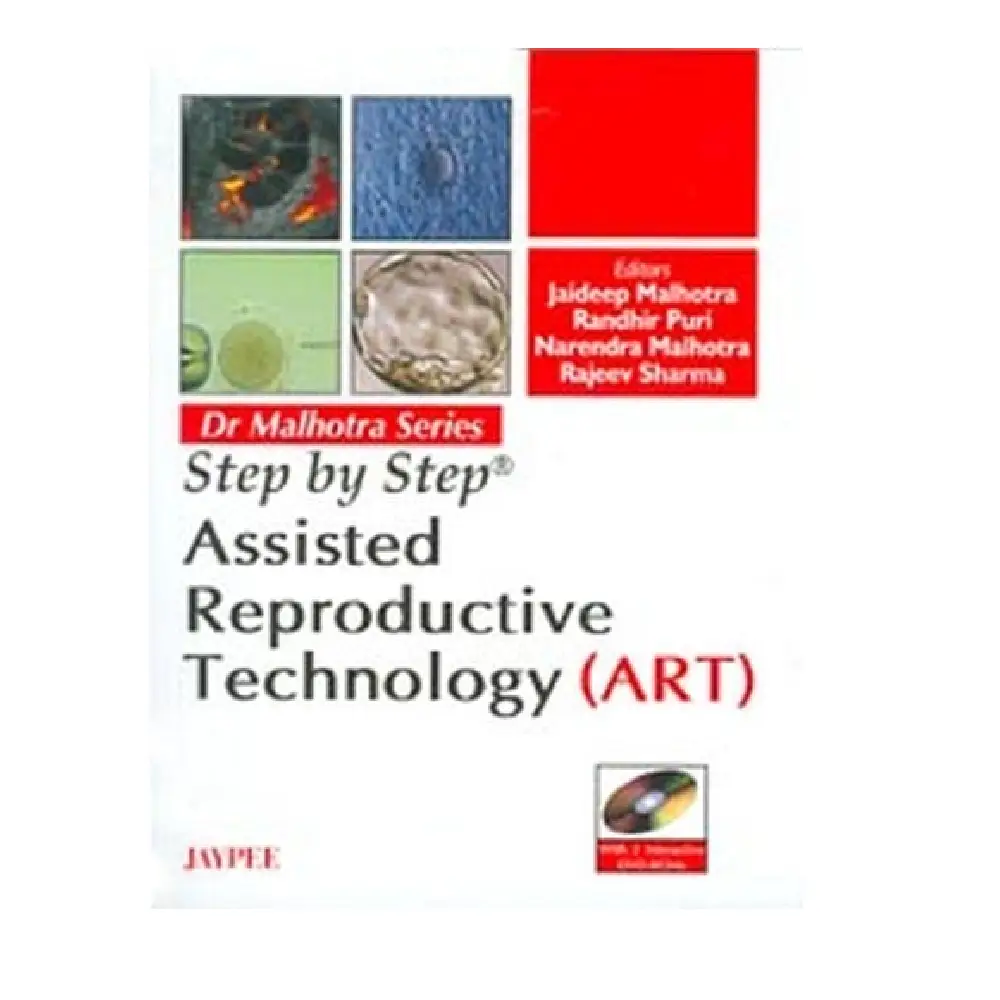

Endocrine Surgery
Endocrine surgery is a specialized branch of surgery focusing on the operative management of diseases of the thyroid, parathyroid, adrenal glands, and neuroendocrine pancreas, as well as other endocrine tissues. These organs are responsible for hormone synthesis, metabolism, and regulation of critical physiological functions, and surgical intervention is often required for benign or malignant lesions, hormone-secreting tumors, or structural abnormalities. Though traditionally considered complex, endocrine surgery can be approached systematically and safely by understanding anatomical landmarks, pathophysiology, and operative principles.
Understanding the Scope of Endocrine Surgery
Endocrine surgery primarily involves:
-
Thyroid surgery: for nodules, goiter, thyroid cancer, and hyperthyroidism.
-
Parathyroid surgery: for primary, secondary, and tertiary hyperparathyroidism.
-
Adrenal surgery: for adrenal adenomas, pheochromocytomas, Cushing’s syndrome, and incidentalomas.
-
Neuroendocrine surgery: including pancreatic and gastrointestinal endocrine tumors.
Advances in imaging, minimally invasive techniques, and intraoperative adjuncts such as nerve monitoring and radioguided localization have increased the safety and efficacy of endocrine surgery. A structured, stepwise approach simplifies procedures, reduces complications, and improves outcomes.
Preoperative Evaluation and Patient Selection
Successful endocrine surgery begins with thorough preoperative assessment. This includes:
-
Detailed history taking and physical examination, focusing on symptoms of hormone excess or deficiency.
-
Laboratory tests, including thyroid function tests, serum calcium, parathyroid hormone (PTH) levels, cortisol, catecholamines, and relevant tumor markers.
-
Imaging studies such as ultrasound, CT, MRI, nuclear medicine scans (e.g., sestamibi for parathyroid localization), or PET scans for neuroendocrine tumors.
Patient optimization is essential. For example, patients with thyrotoxicosis should be rendered euthyroid preoperatively, while pheochromocytoma patients require adequate alpha- and beta-blockade to prevent intraoperative cardiovascular crises.
Principles of Surgical Planning
Endocrine surgery requires meticulous planning based on:
-
Anatomical considerations: preservation of recurrent laryngeal nerves and parathyroid glands is critical during thyroid and neck surgery.
-
Extent of disease: total thyroidectomy, hemithyroidectomy, or subtotal thyroidectomy is selected based on malignancy risk, size, and functional status.
-
Minimally invasive options: laparoscopic or robotic approaches are preferred for selected adrenal and parathyroid surgeries to reduce morbidity.
Patient counseling is equally important, addressing expected outcomes, potential complications, hormonal replacement therapy, and long-term follow-up.
Step-by-Step Surgical Techniques
Thyroid Surgery:
-
Careful positioning and neck extension optimize exposure.
-
Skin incision is typically low-collar, following natural skin creases.
-
Dissection proceeds layer by layer, identifying and preserving recurrent laryngeal nerves and parathyroid glands.
-
Hemostasis is achieved using ligatures, clips, or energy devices.
-
Depending on disease extent, partial or total thyroidectomy is performed, followed by meticulous closure.
Parathyroid Surgery:
-
Preoperative localization using ultrasound, sestamibi scans, or 4D CT guides focused exploration.
-
Small incisions and minimal dissection reduce complications.
-
Intraoperative PTH monitoring confirms removal of hyperfunctioning glands.
Adrenal Surgery:
-
Laparoscopic adrenalectomy is preferred for benign lesions <6 cm.
-
Patient is positioned appropriately (lateral decubitus or supine).
-
Retroperitoneal or transperitoneal approach is selected based on tumor location and surgeon preference.
-
Careful dissection prevents injury to surrounding organs and major vessels.
Neuroendocrine Tumors:
-
Surgery depends on tumor location, size, and functional status.
-
Pancreatic or gastrointestinal neuroendocrine tumors may require segmental resection or enucleation with lymph node clearance when indicated.
Managing Complications
Despite careful technique, complications can occur:
-
Thyroid surgery: recurrent laryngeal nerve injury, hypocalcemia due to parathyroid damage, hematoma, infection.
-
Parathyroid surgery: persistent or recurrent hyperparathyroidism, hypocalcemia.
-
Adrenal surgery: hemorrhage, injury to surrounding organs, hypertensive crises with catecholamine-secreting tumors.
Prevention relies on precise dissection, knowledge of anatomy, and careful intraoperative monitoring. Early recognition and management are key to minimizing morbidity.
Postoperative Care and Follow-Up
Postoperative care focuses on:
-
Monitoring for bleeding, airway compromise, hypocalcemia, or hormonal insufficiency.
-
Pain management and early mobilization.
-
Hormone replacement therapy when indicated, such as levothyroxine post-thyroidectomy or steroid supplementation post-adrenalectomy.
-
Long-term follow-up with laboratory tests, imaging, and surveillance for recurrence or metastasis.
Multidisciplinary Approach
Endocrine surgery often requires collaboration with endocrinologists, radiologists, anesthesiologists, pathologists, and genetic counselors. Preoperative optimization, intraoperative support, and postoperative care are enhanced through a team-based approach, especially in complex cases such as MEN syndromes or malignancies.
Conclusion
Endocrine surgery, when approached systematically, is both safe and highly effective. By combining thorough preoperative assessment, precise anatomical knowledge, step-by-step surgical technique, and attentive postoperative care, surgeons can minimize complications and optimize patient outcomes. Continuous learning, adherence to evidence-based guidelines, and incorporation of minimally invasive technologies further simplify endocrine surgery, making it accessible and efficient in modern clinical practice.
Reviews
There are no reviews yet